
Vandaag of morgen in huis

Kwaliteit gegarandeerd

Welkomstaanbiedingen ontgrendelen: GRATIS bezorging | Tot 80% korting | Gratis 30 dagen JoyPlus-proefperiode
Download de app
A pair of wireless headphones can seem like an easy choice on paper. You see Bluetooth, noise cancelling and long battery life, but those terms don’t always tell you how comfortable a model will be in everyday use. A lightweight headset, for example, might be comfortable on a train journey but not block out enough noise in a busy office. A gaming headset might work well with a PC but not connect wirelessly to a console.
The main pitfalls are:
Don’t just look for “up to 50 or 60 hours”. Check whether that figure applies with active noise cancellation on, with ANC off or in another listening mode. Headphones with long battery life are especially practical when the conditions behind the claim are clearly stated.
Fast charging can also be useful. Some models, according to their product descriptions, provide hours of playback after just a few minutes of charging. Treat this as a manufacturer’s specification, not a guarantee for every situation. Also check whether they charge via USB-C and whether a 3.5mm cable is available for when the battery runs flat.
Over-ear headphones fit around your ears and generally provide better passive noise isolation. On-ear models rest on your ears and are often more compact, but can put more pressure on them during long listening sessions. Weight is a useful point of comparison: models weighing around 150 grams feel different from those weighing around 250 grams or more.
Also look for:
If you’re looking for a headset for working from home, consider the microphone as well as comfort. Headphones with a microphone and multiple microphones may be suitable for calls, but how clearly you can be heard also depends on the software, surroundings and connection.
Bluetooth 5.0, 5.2 or 5.3 mainly tells you which Bluetooth generation is used; it doesn’t determine sound quality on its own. Check which audio codecs are supported, whether multipoint is available and which devices you want to connect to.
Multipoint lets you keep, for example, a laptop and phone connected at the same time. For gaming, a USB dongle or wired connection may be more important than Bluetooth, as latency and compatibility vary between platforms. So Bluetooth headphones aren’t automatically suitable as a gaming headset.
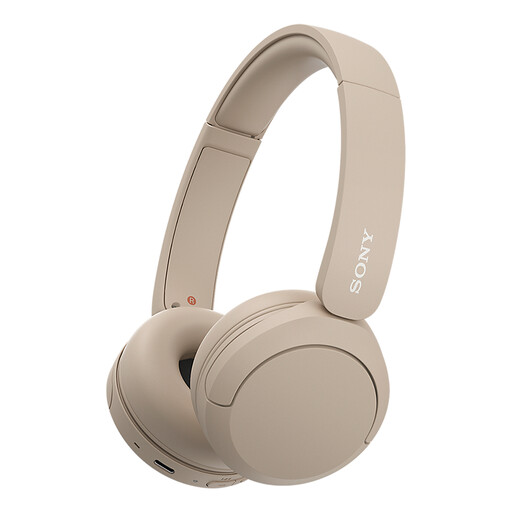
Why it suits this profile: According to the specifications, this on-ear model weighs 147 grams and has buttons, a microphone and multipoint connectivity. It’s designed for everyday listening, calls and switching between your phone and laptop.
The clear wearing style and low weight make it an easy choice. Bear in mind that active noise cancellation isn’t listed for this model.
147 grams, Bluetooth 5.2 according to the product specifications, USB-C and multipoint for two devices.
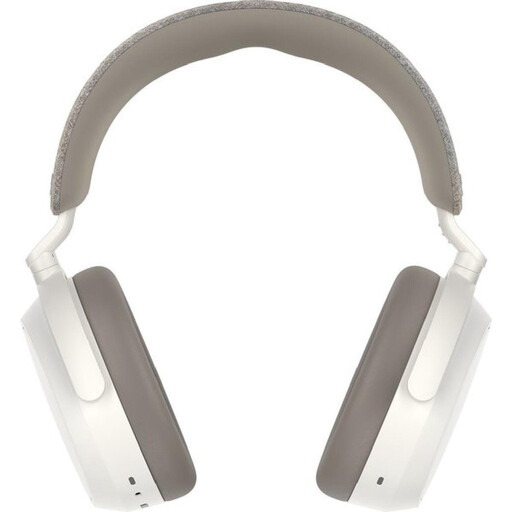
Why it suits this profile: According to the product information, this over-ear model combines 42mm transducers, adaptive ANC, a transparency mode and stated battery life of up to 60 hours.
The product information states both the ANC feature and battery life, and describes an app with an equaliser. Before buying, make sure the fit and controls suit you.
Up to 60 hours of stated playback time, adaptive ANC, four microphones and a 3.5mm connection.
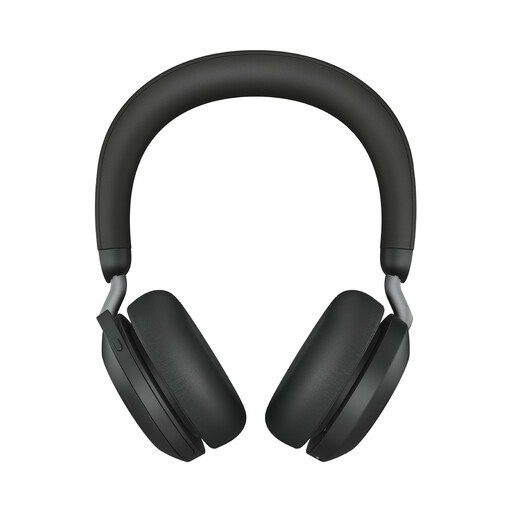
Why it suits this profile: According to the product description, this headset is designed for office and call centre use, with eight microphones, Bluetooth 5.2, multipoint and Microsoft Teams certification.
Its intended use is clearly defined: video calls and hybrid working. The stated battery life of 33 hours with ANC and 36 hours without makes the claim easier to compare.
Up to 36 hours without ANC, a Bluetooth range of 30 metres according to the specifications, and support for two devices.
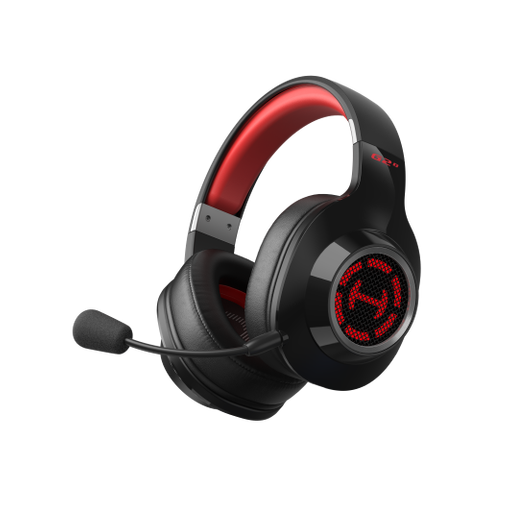
Why it suits this profile: The product information lists Bluetooth 5.1, USB audio and 3.5mm AUX, with compatibility for PC, PS4, PS5 and Switch/Switch 2, among others.
Having several connection options means you’re less reliant on a single connection type. Check which features, such as 7.1 audio, are actually supported on each platform.
Bluetooth, USB and AUX, different sound modes, and controls for selecting the source and adjusting the volume.
We’ve put together a complete, up-to-date list of products that meet these strict selection criteria and current European safety regulations.
First, charge the headphones, switch on Bluetooth on your phone and put the headphones into pairing mode. Select the correct product name from the Bluetooth list. On some models, Android or Windows features such as Fast Pair or Swift Pair can speed up setup. If you have problems, check the manual and make sure the headphones aren’t already connected to another device.
Battery life depends on battery capacity, charging habits, volume and how much you use ANC. Battery capacity can decrease over time. Folding models should also be stored carefully to protect the hinges. If wired listening is supported, an included cable can help extend their practical lifespan.
ANC headphones can reduce constant background noise, but they aren’t always necessary in a quiet room. For video calls, microphone quality, multipoint and compatibility with Teams, Zoom or other calling software are just as important. So check not only the ANC specification, but also what the headset is designed for.
