
Vandaag of morgen in huis

Kwaliteit gegarandeerd

Welkomstaanbiedingen ontgrendelen: GRATIS bezorging | Tot 80% korting | Gratis 30 dagen JoyPlus-proefperiode
Download de app
A doughnut dog bed looks soft and inviting, but not every style suits every dog. A bed that’s too small can restrict your dog’s sleeping position, a cover without a secure fastening can be difficult to clean, and a slippery base can slide across the floor. So don’t focus only on colour or fluffiness – consider the size, construction and care requirements too.
In this buying guide, you’ll find out what to look for in a soft dog bed, which features are practical for a UK home and which style suits small, medium or large dogs.
An 80 cm bed doesn’t automatically offer 80 cm of sleeping space. The raised rim takes up some of the surface area. Measure your dog while they’re lying stretched out, then allow a little extra room to move. A dog that likes to sleep stretched out needs a different size from one that curls up.
Check the height of the rim too. A dog bed with raised sides can create a cosy, enclosed feel, but a high rim may make it difficult for some dogs to get in and out.
Some product descriptions call a bed washable when only the cover can go in the washing machine. Check whether the bed has:
Many plush styles need their inner filling to be cared for separately. That’s not a problem, as long as you know in advance.
A thick, fluffy bed feels comfortable, but it can flatten with use. Check the type of filling and the construction. PP filling is lightweight and springy, while a bed with egg-crate foam is described in the product information as having a more supportive structure.
For older pets or those who find it difficult to get up, you could also look for a low entrance, a stable base and a shape that won’t slide around. A bed is not a substitute for veterinary advice if your pet has persistent problems.
Use the stated measurements as a guide rather than relying only on the description “for medium-sized dogs”. The range includes sizes such as:
Bear in mind that sewn products may vary slightly in size. Measure the space where you plan to put the bed too, such as a crate, a corner of the living room or the floor beside the sofa.
A plush dog bed feels warm and appeals to pets that like to nest. However, long fibres can trap more hair and dirt. A dark colour can make visible stains less noticeable, but it doesn’t remove the need for regular cleaning.
Look at the combination of:
According to the product descriptions provided by the brands, some styles are designed to support the neck, legs or joints. Treat this as a product specification, not as a medical benefit.
An anti-slip dog bed will generally stay more stable on laminate, vinyl or tiles, but the floor surface still matters. Place the bed on a flat, dry surface and check regularly that the anti-slip layer is still intact.
A practical washable dog bed has a removable cover or a removable centre cushion. Follow the care label, avoid harsh bleach and let all parts dry completely before using the bed again.

Why it suits this type of buyer: The 60 cm diameter is designed for cats and small dogs. The round shape suits pets that like to sleep curled up.
The product information specifies a removable centre cushion, rubber anti-slip grips and a clear size. That means you don’t have to rely on the word “soft” alone.
Plush material, PP filling, removable and washable centre cushion, and a base with rubber grips.
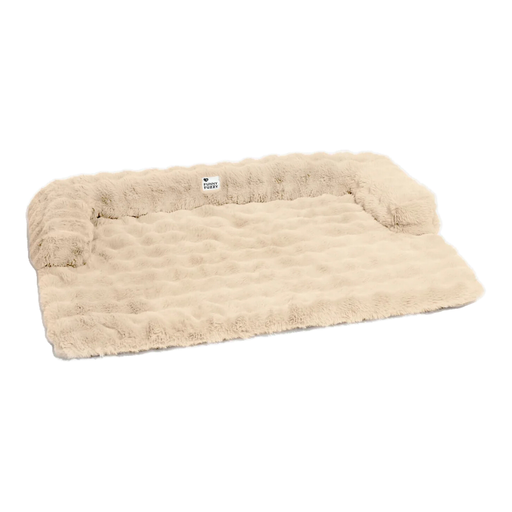
Why it suits this type of buyer: This sofa-style bed combines a soft outer fabric with egg-crate foam and a raised headrest. It’s a good fit for small pets that like to rest their head on a raised edge.
The specifications list not only plush fabric, but also egg-crate foam, a removable machine-washable cover and an anti-slip base.
Egg-crate foam, raised headrest, removable machine-washable cover and anti-slip fabric on the underside.
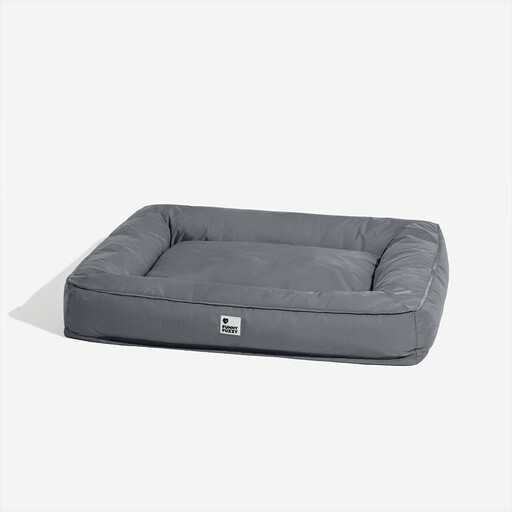
Why it suits this type of buyer: This bed is designed for large dogs and frequent everyday use. The water-resistant Oxford fabric is practical for homes where dirt and moisture are more common.
The product description specifies water-resistant fabric, a raised rim all the way around and a removable cover. Be sure to check the exact measurements on the product page.
Oxford fabric, supportive rim all the way around, removable washable cover and a design for large dogs.
A doughnut bed is particularly well suited to pets that like to lie against a raised edge or curl up. Its round shape and soft rim can create a cosy, enclosed feel. According to some brands’ own product information, it’s designed to provide a calming environment; this isn’t guaranteed and doesn’t replace support for anxiety or stress.
An orthopaedic dog bed usually has a flatter sleeping surface with foam or another supportive core. This may be more practical for a dog that lies stretched out or finds it difficult to get up. Also consider the height of the entrance, stability and ease of cleaning. Not every bed described as “orthopaedic” has the same construction.
A doughnut dog bed can also be used as a cat bed if the size and rim height are suitable. Help your cat or dog get used to it gradually by adding a familiar blanket or toy. Many styles are vacuum-packed; fluff up the bed and give the filling 24 to 48 hours to regain its shape.
We’ve put together a complete, up-to-date list of products that meet these strict selection criteria and the applicable European safety regulations.
Remove the bed from its packaging, loosen the filling and gently fluff up the rim. Place it on a flat, dry surface. Vacuum-packed styles may take 24 to 48 hours to regain their full shape. Check the zips, seams and anti-slip base before use.
Its lifespan depends on your dog’s weight, how often the bed is used and how well it’s cared for. Regular airing and washing according to the care label will help keep it clean. Check weekly for loose seams, tears or exposed filling. Replace the bed if your pet could swallow any of the material.
The main costs are water, detergent and possibly the energy used for washing. A removable cover is practical because you don’t have to clean the whole bed every time. Make sure all parts dry thoroughly and follow the care label to prevent shrinkage or damage to the filling.
