
Vandaag of morgen in huis

Kwaliteit gegarandeerd

Welkomstaanbiedingen ontgrendelen: GRATIS bezorging | Tot 80% korting | Gratis 30 dagen JoyPlus-proefperiode
Download de app
Mochi is more than just a snack. You'll see these soft, colourful rice cakes everywhere on social media and in Asian supermarkets. Its unique, chewy texture—also known as "Q"—and surprising fillings make it a favourite for many. But with so many choices, it can be hard to know where to start.
As a Joybuy Product Recommendation Officer, my job is to help you navigate the options. This guide provides practical information and a selection of popular mochi based on their product specifications, helping you make a choice that suits your taste, without the marketing fluff.
Before you make a choice, there are a few features that set one mochi apart from another.
Texture is perhaps the most important characteristic of mochi. A good mochi has a soft, elastic, and slightly sticky bite. In Asia, this texture is often described as "Q" or "QQ". Taiwanese mochi, like those from Bamboo House, is known for perfecting this balance. They use high-quality glutinous rice flour to achieve that signature, pleasantly chewy structure.
Traditional mochi often has a single filling, such as red bean paste or sesame. The newer generation, like double-filled mochi, takes the experience to the next level. These varieties feature a fruit paste core enveloped by a second, creamy layer, such as milk paste. This creates a more complex flavour and a layered texture in every bite.
A look at the ingredients list tells you a lot. Look for the use of real fruit juice or puree for an authentic flavour. For example, the products we highlight here specify the use of blueberry juice or mango puree. Also, always check the allergen information, as fillings can sometimes contain milk or eggs.
Based on the features above, we've selected a few popular options from the brand Bamboo House. This brand is known for its innovative, double-filled Asian snacks.
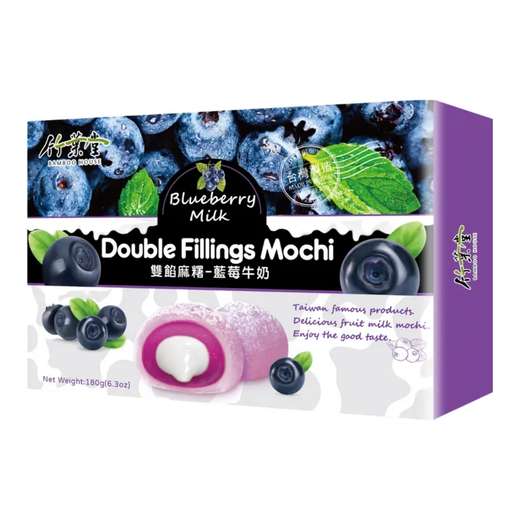
Why It Stands Out This blueberry mochi uses what the manufacturer calls "Double Core Technology." The core consists of a fruity blueberry paste, enveloped by a soft, creamy milk paste. This creates a distinct separation between the sweet and tart fruit and the mild, creamy layer.
Benefits
Who It's For For lovers of berry fruits looking for a snack with a balance of sweet, tart, and creamy.
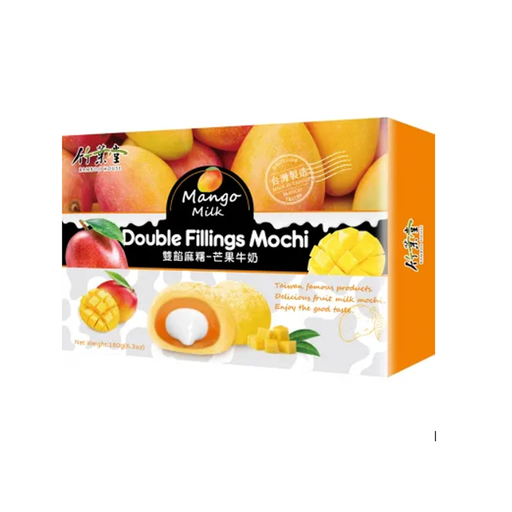
Why It Stands Out The mango mochi brings a tropical twist. The filling combines an aromatic mango paste, made from real mango, with a velvety milk paste. This provides a distinctly summery flavour that pairs well with the soft rice cake.
Benefits
Who It's For Perfect for those who love exotic and tropical flavours and are looking for a snack that is both fruity and creamy.
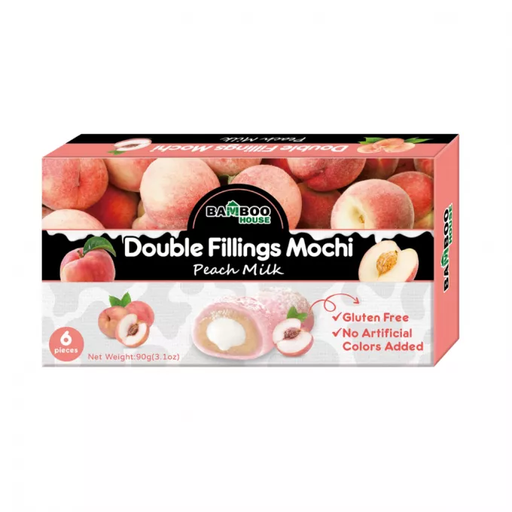
Why It Stands Out This peach variety offers a subtle, sweet flavour. Like the other versions, this double-filled mochi has a fruit core (peach paste) and a creamy milk paste layer. The addition of beetroot powder gives it a soft, natural colour.
Benefits
Who It's For Suitable for those who enjoy the soft, delicate taste of peach and prefer a snack that isn't overly sweet.
If these fruit flavours aren't quite what you're looking for, or if you're curious about other types of Japanese rice cakes and sweets, there's a whole world of flavours to discover, from traditional red bean fillings to tea-infused varieties.
Check out our full range of fruit tea cakes and discover more unique flavours.
Mochi is a traditional Japanese rice cake made from mochigome, a type of short-grain glutinous rice. The rice is steamed and then pounded into a paste, which results in its signature soft and elastic texture. Although it originates from Japan, popular varieties can be found throughout Asia, including Taiwan.
Mochi is ready to eat straight from the package and is typically enjoyed at room temperature. There's no need to heat it. It's a delicious treat with a cup of green tea or coffee. Some people also enjoy chilling the mochi briefly in the refrigerator before eating for a slightly firmer bite.
The outer layer of mochi is made from glutinous rice flour, which is naturally gluten-free. However, the fillings or production lines may come into contact with gluten-containing ingredients. If you have a gluten intolerance or allergy, it is crucial to always check the allergen information on the packaging carefully.
