
Vandaag of morgen in huis

Kwaliteit gegarandeerd

Welkomstaanbiedingen ontgrendelen: GRATIS bezorging | Tot 80% korting | Gratis 30 dagen JoyPlus-proefperiode
Download de app
Finding the right double electric breast pump can feel like navigating a maze of marketing promises. You want efficiency, comfort, and freedom, but many products fall short in practice. Before you make a choice, it's wise to understand the common pitfalls that can cost you money and cause frustration.
Many mothers fall for the trap of exaggerated claims. Think of a "whisper-quiet" motor that's still loud enough to wake your baby, or a "portable" design that needs to be recharged after a single pumping session. Another common mistake is ignoring the fit, which leads to discomfort and a lower milk supply. This guide will help you bypass these issues and choose a pump that truly fits your lifestyle.
To avoid a bad purchase, it's important to look beyond the packaging. Pay attention to the following three specifications that make the difference between a helpful tool and a source of frustration.
One of the most underrated yet crucial components of a breast pump is the breast shield. The wrong size can not only be painful but can also impede milk flow. Manufacturers often use a standard size, but "one-size-fits-all" doesn't apply here. A good wearable breast pump comes with multiple sizes of breast shields or inserts. Measure your nipple (not including the areola) and compare it to the manufacturer's size chart to ensure a comfortable and effective pumping session.
A rechargeable breast pump offers freedom, but only if the battery lasts. Don't just look at the charging time; focus on the usage time. How many pumping sessions can you get from a full charge? A truly convenient hands-free breast pump will give you at least 1.5 to 2 hours of active pumping time, which translates to about 6 to 8 sessions. This ensures you can use the pump for a full workday or a day out without worrying about finding a power outlet.
A double electric breast pump is designed to save time by pumping both breasts simultaneously. This can cut your pumping time in half. Some models, like those from Medela, use a technology they call 2-Phase Expression. According to Medela, this mimics a baby's natural sucking rhythm: first, fast, short sucks to stimulate milk flow, followed by slower, deeper movements. This can help optimise milk yield and make pumping more efficient. When you're considering buying a Medela breast pump, this is one of the features to look for to ensure efficient and discreet pumping.
Not every pump is right for every mother. Below is a selection of popular models, matched to different lifestyles and needs.
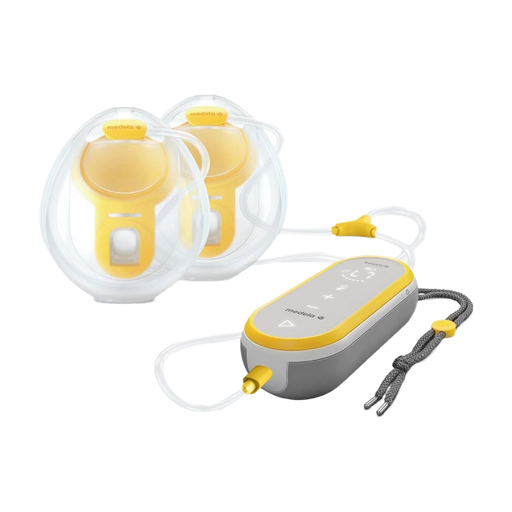
Why This Fits Their Persona: Ideal for mothers who multitask. The separate motor and lightweight collection cups allow for pumping during work, household chores, or while caring for another child, without being tied to wires and a power outlet.
This model tackles the pitfall of a poor fit with anatomically shaped cups that help prevent compression of milk ducts. The rechargeable battery is designed for multiple sessions, avoiding the "low battery" frustration.
Combines Medela's proven 2-Phase Expression technology with a truly hands-free design. The cups are lightweight (76 grams each) and consist of only three parts, which simplifies cleaning.
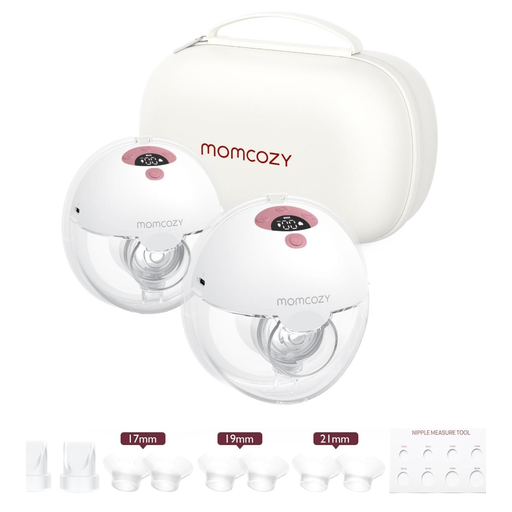
Why This Fits Their Persona: For the mother who prioritises discretion and mobility. This is a completely wireless, in-bra pump with no external motor or tubing. Perfect for pumping at the office, on the go, or during an appointment, without anyone noticing.
Addresses the "one-size-fits-all" pitfall by including four different flange sizes (17/19/21/24mm). The design is focused on discreet pumping, turning the false promise of "quiet" pumping into a practical, inconspicuous solution.
The "Baby Mouth" suction technology is designed to mimic a baby's natural feeding behaviour. It's an all-in-one system with 3 modes and 9 levels, offering extensive customisation in a compact format.
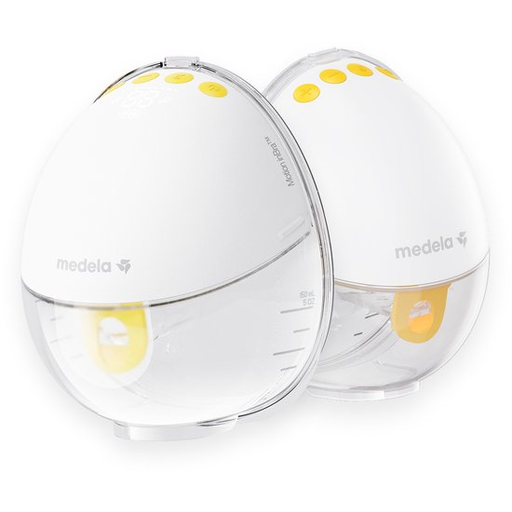
Why This Fits Their Persona: For the mother who wants a proven brand and makes comfort and a perfect fit her highest priority. This model is specifically designed to avoid pressure points and maximise milk flow through its anatomical shape.
This model is the answer to the "poor fit" pitfall. According to Medela, in addition to the 24 mm breast shield, it also includes inserts of 15, 18, and 21 mm, which are said to cover more than 95% of nipple sizes. This ensures a personalised fit.
The combination of an anatomical design and numerous size options offers a high degree of comfort. The battery supports up to 10 pumping sessions per charge, and the parts are dishwasher-safe for easy maintenance.
We have compiled a complete, up-to-date list of products that meet these strict selection criteria and applicable safety regulations.
How do I know which breast shield size I need? The right size depends on the diameter of your nipple. Measure your nipple after pumping or breastfeeding and add 2-4 mm. Compare this to the manufacturer's size chart. Many modern pumps, like the models mentioned above, come with multiple sizes, so you can try them out to see what feels best and yields the most milk.
How do I properly clean a hands-free breast pump? Hygiene is essential. Choose a model with as few loose parts as possible. Most collection cups and breast shields can be hand-washed with warm, soapy water after each use. Check if the parts are dishwasher-safe for added convenience. Always follow the manufacturer's cleaning instructions to ensure the pump's longevity and your baby's safety.
Is a double breast pump really faster than a single one? Yes, significantly. By pumping both breasts at the same time, you can cut your total pumping time roughly in half. This is a major advantage for mothers with a busy schedule. Furthermore, some studies indicate that double pumping can provide an extra boost to milk production and may lead to a higher yield.
