
Vandaag of morgen in huis

Kwaliteit gegarandeerd

Welkomstaanbiedingen ontgrendelen: GRATIS bezorging | Tot 80% korting | Gratis 30 dagen JoyPlus-proefperiode
Download de app
As a Joybuy Product Recommendation Officer, I often see culinary enthusiasts invest in high-quality ingredients for authentic Sichuan dishes, only for the results to fall flat. The Mapo Tofu isn't deep and complex, or the Twice-Cooked Pork lacks that signature savoury flavour. The cause is often a simple but crucial mistake: using the wrong bean paste.
Before you place a jar of Doubanjiang in your basket, it's important to understand a few common pitfalls that can cost you money and leave you with a disappointing meal.
To ensure you make the right purchase, there are a few specifications you can check directly on the label. These are the factors that make the difference between an authentic dish and a mediocre attempt.
The core of traditional Doubanjiang is fermented broad bean paste. Many other Asian bean pastes use soybeans as their base, which yields a different, often milder flavour profile. Check the ingredients list specifically for "broad beans". The combination of these beans with red chilli peppers is the classic foundation for its deep, savoury taste.
A deep, reddish-brown colour often indicates a longer and more meticulous fermentation process. Cheaper, quickly produced pastes can be brighter red and lack the complex, almost earthy umami notes. Brands like Juancheng are known for their traditional production methods, during which the paste sometimes ferments for years. This process elevates the flavour from a simple spicy bean paste to a layered and indispensable ingredient.
You will encounter two main types: standard Doubanjiang and 'Red Oil' Doubanjiang (红油豆瓣, hóngyóu dòubàn). The red oil variety is enriched with extra oil (usually rapeseed oil), which makes the paste smoother and helps release the flavours and signature red colour more quickly during frying. This can be a convenient choice for beginners, while purists sometimes prefer the standard version to control the amount of oil themselves.
Below are a few choices that suit different cooking styles and needs, based on their specifications.
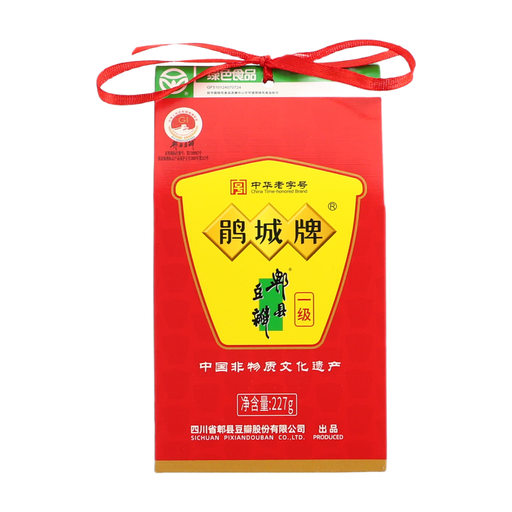
Why This Fits Their Persona: Ideal for the cook seeking an authentic foundation for classics like Mapo Tofu and Hui Guo Rou (Twice-Cooked Pork). This product embodies the traditional flavour of the region.
This is genuine Pixian bean paste, made with fermented broad bean paste and chilli. You're not buying a generic soybean paste or a simple chilli sauce.
Traditionally brewed for a deep, savoury umami flavour. The reddish-brown colour and rich aroma are characteristic of a long fermentation process.
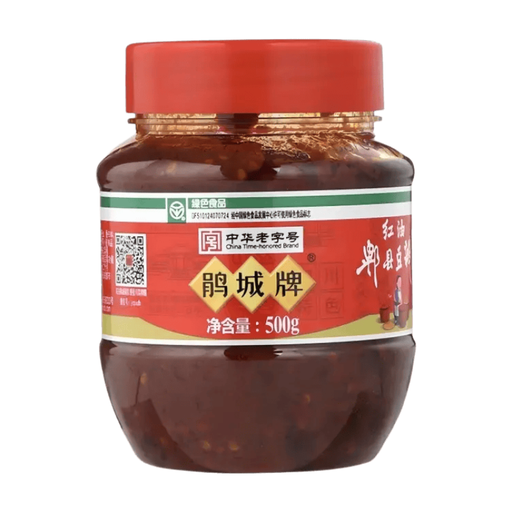
Why This Fits Their Persona: Perfect for the home cook who wants authentic flavour but also the convenience of a paste that releases its aroma and colour instantly in the wok.
This isn't a simple chilli sauce. The addition of red oil (hongyou) is a traditional method to enhance the fermented flavours, not to mask a lack of complexity.
The integrated oil simplifies the frying process; the paste quickly releases a deep red colour and a rich aroma. The 500g package is practical for regular use.
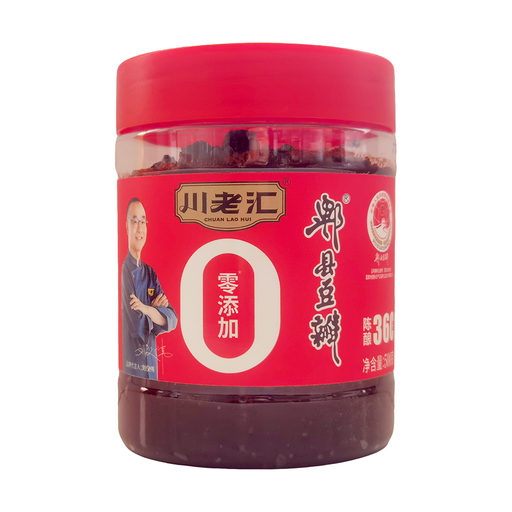
Why This Fits Their Persona: An accessible choice for those starting their journey into Sichuan cuisine. It offers the correct foundational flavour of chilli and broad bean without the complexity of varying fermentation levels.
The ingredient list is clear: 60% chilli pepper and broad beans. You know exactly what you're getting—a true spicy bean paste, not a sweet or soybean-based alternative.
The high chilli content provides a distinct heat, making it a good and straightforward introduction to the world of Sichuan bean paste.
We have compiled a complete, real-time list of products that fully satisfy these strict selection criteria and UK safety regulations.
The most common mistake is adding Doubanjiang at the end of cooking like a regular sauce. To bring out its optimal flavour, you must first fry the paste ('bloom') in a little oil over low heat. Do this at the beginning of your recipe, before adding other ingredients like garlic, ginger, or meat. You'll see the oil turn red and the kitchen will fill with a deep, savoury aroma.
Although both are fermented pastes, they differ significantly. Doubanjiang is a Chinese paste made from broad beans and chilli, with a primarily salty, savoury, and deep umami profile. Gochujang is Korean and is made from glutinous rice, fermented soybeans, and chilli. It is generally sweeter, slightly milder, and has a different texture. They are not interchangeable in recipes.
Thanks to its high salt content and the fermentation process, Doubanjiang has a very long shelf life. Store an opened jar in the refrigerator, tightly sealed. It will typically last for months, if not a year or longer. The colour may darken over time and the flavour may continue to develop, which many cooks actually appreciate. Trust your senses; as long as it looks and smells fine, it's usable.
