
Vandaag of morgen in huis

Kwaliteit gegarandeerd

Welkomstaanbiedingen ontgrendelen: GRATIS bezorging | Tot 80% korting | Gratis 30 dagen JoyPlus-proefperiode
Download de app
A doormat needs to do more than simply dress up your entrance. In a Dutch hallway, it has to deal with rain, mud, wet shoes and plenty of foot traffic. Yet when buying one, people often focus mainly on colour or price. The result? A mat that’s too small, slips on a smooth floor or is difficult to clean.
This practical guide highlights the features that matter for everyday use: size, material, anti-slip properties and care.
A 60x90 cm doormat suits a single front door, but it may not give you enough room to wipe both feet properly. For a wide entrance, patio doors or a hallway with more than one route through it, a longer mat may be a better choice. For example, a 60x180 cm doormat can cover a longer stretch in front of the door or along the hallway.
Measure not only the width of the door frame, but also the space where the mat will sit. Check that doors can still open freely, too. An extra-large 120x180 cm doormat is best suited to spacious entrances, offices or other wide passageways.
An anti-slip doormat won’t stay in place equally well on every floor. Dust, moisture, an uneven surface or smooth tiles can all affect its grip. So check the backing material, such as PVC or flexible rubber, and make sure the floor is clean and dry before laying the mat down.
A heavier mat can also help prevent it from moving, but it’s still important to check the surface underneath. If you’re placing a mat outdoors, make sure rainwater can drain away and doesn’t pool underneath it.
Not every dirt-trapping mat is machine washable. Some models can be rinsed with a garden hose, according to the product description; others are designed to be shaken out, vacuumed or given a quick rinse. Always check the care instructions.
Also consider the difference between a moisture-absorbing doormat and a coarser scraper mat. A scraper mat is designed to loosen dirt from shoe soles, while a moisture-absorbing doormat is better for wet shoes and footprints. For a busy entrance, using both types can be practical.
Choose a size based on the available floor space and how many steps someone can take on the mat.
Polypropylene doormats, also known as PP mats, are often used in areas with heavy foot traffic. The selected models’ product information describes a tufted polypropylene surface that can trap dirt, dust and moisture. Actual performance also depends on shoe soles, the amount of moisture and how the mat is cared for.
A PVC or rubber backing can help keep the mat in place and prevent moisture from passing through. Check that the underside is suitable for your floor and that moisture won’t remain trapped beneath the mat for long periods.
Check whether the doormat is suitable for indoor and outdoor use or only for covered outdoor areas. A mat in a fully exposed spot will have to cope with more rain and dirt than one placed under a canopy.
When checking the care instructions, see whether the mat:
So always check the product’s specific instructions before relying on a claim that it’s a “washable doormat”.
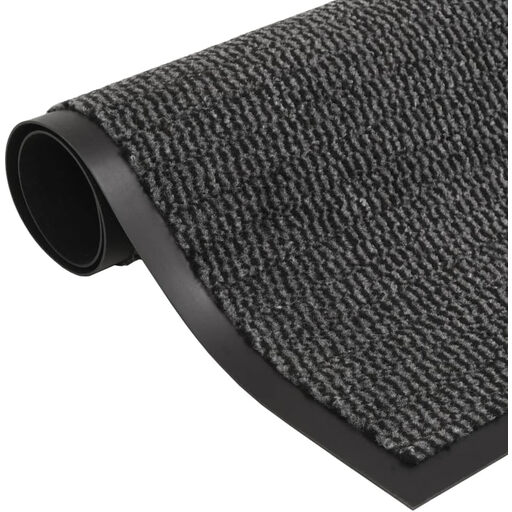
Why it suits this need: The 60x90 cm size is a neat fit for a standard front door, flat or smaller hallway. The anthracite colour helps disguise visible dirt between cleans.
The dimensions are clearly specified, and the mat has a flexible anti-slip rubber backing. According to the product information, it can be cleaned with a garden hose.
60x90 cm, approximately 5.5 mm thick, tufted polypropylene and suitable for indoor and outdoor use according to the product specifications.
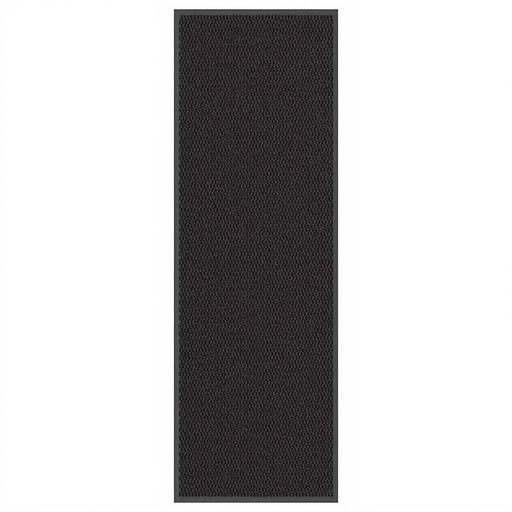
Why it suits this need: This long black mat is ideal for a wider entrance, hallway or busy passageway where a 60x90 cm surface isn’t big enough.
The longer size reduces the chance of people stepping straight onto the floor beside the mat. According to the product information, the PVC backing is anti-slip and helps prevent moisture from passing through.
60x180 cm, black, polypropylene with a PVC backing and a specified pile height of 5 mm.
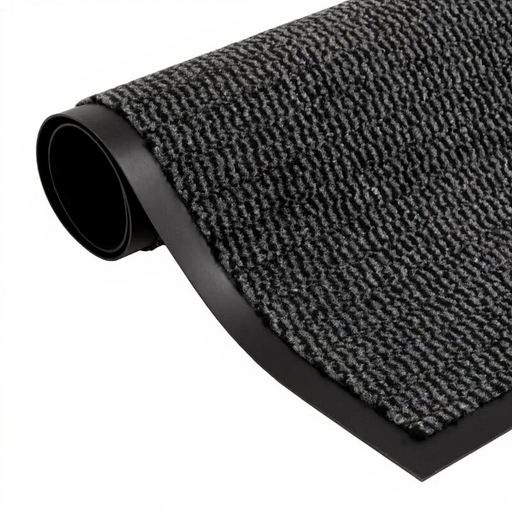
Why it suits this need: This large size is ideal for spacious entrances, offices, utility rooms or other areas with heavy foot traffic and more than one route through the space.
The generous surface makes it less likely that dirt and moisture will end up straight on the floor. The product information specifies a flexible anti-slip backing and says the mat can be cleaned with water.
120x180 cm, approximately 5.5 mm thick, polypropylene and described as a dirt-trapping mat suitable for areas with heavy use.
We’ve put together a complete, up-to-date list of products that meet these strict selection criteria and comply with the applicable European safety regulations.
For a standard single door, a 60x90 cm doormat is often a practical starting point. Measure the available space and check that the door can open freely. For a longer hallway or several steps in a row, a 60x180 cm doormat can protect more of the floor.
It depends on the model. Shaking it out and vacuuming are common options. According to the product information, some polypropylene doormats can be rinsed with water or a garden hose. Only put the mat back once the floor and the underside of the mat are dry. Always check first whether your particular mat is washable.
Its lifespan depends on foot traffic, moisture, dirt and care. A mat in a covered entrance will generally wear differently from one by an exposed outdoor door. A sturdy tufted construction, suitable thickness and regular cleaning can all help keep a mat in good condition. When buying, focus on the specific product details rather than claims such as “durable” or “hard-wearing”.
