
Vandaag of morgen in huis

Kwaliteit gegarandeerd

Welkomstaanbiedingen ontgrendelen: GRATIS bezorging | Tot 80% korting | Gratis 30 dagen JoyPlus-proefperiode
Download de app
A donut dog bed has a round shape with raised sides. It suits dogs who like to curl up to sleep or rest their head against a soft edge. However, not every fluffy dog bed still looks the same after a few months. Thin filling, a cover that’s difficult to clean or a slippery base can all lead to disappointment.
So don’t focus only on the colour and soft appearance. Check the dimensions, construction and care instructions above all. That way, you can find a soft dog bed that suits your dog, your home and the way you plan to use it.
A dog bed with a diameter of 70 cm doesn’t provide a full 70 cm of sleeping space. The raised sides take up some of the surface area. So measure your dog when they’re lying stretched out, then allow a little extra room. A bed that’s only suitable for curling up in may be impractical for dogs who regularly change position.
Some models have a removable central cushion only. Others have a full outer cover that can go in the washing machine. That difference matters if your dog comes in with muddy paws, sheds a lot or has accidents indoors. So check whether you’re looking at a dog bed with a removable cover, or just one with a removable inner cushion. Always follow the care label; not all filling materials are machine washable.
Long plush fibres feel cosy, but they can be vulnerable to dogs who like to dig or chew. Check the seams, zips and underside regularly. An anti-slip dog bed will also only stay in place on a flat, dry surface. A rubber base can help reduce slipping, but it’s no substitute for positioning the bed safely.
Choose based on your dog’s actual sleeping measurements, not just their breed. The product information gives the following guidelines:
A round dog bed with a high edge suits dogs who like to snuggle in. A low edge or sofa-style design may be more practical for dogs who like to stretch out or find it easier to get in.
PP cotton is used in several donut beds. According to the product descriptions, this material provides soft, resilient filling. The firmness can vary between models and sizes. Fluff up a vacuum-packed bed after delivery and give it time to regain its shape.
An orthopaedic dog bed often has a different construction, such as egg-crate foam. The FUNNYFUZZY product information describes this as a supportive structure, paired with a raised edge for neck and leg support. This may be worth considering for older dogs or dogs who prefer a firmer sleeping surface. It isn’t a substitute for veterinary advice if your dog has joint or mobility problems.
A washable cover makes it easier to manage hair, dirt and odours. Check the following:
Place the bed indoors in a quiet spot, away from heat sources. Regularly check for loose seams, exposed filling and damaged zips. If your dog tends to chew, it’s sensible to supervise them while they get used to the bed.

Why it suits this type of buyer: The round size is a good fit for small and medium-sized dogs. The soft plush fabric and PP cotton filling offer an easy introduction to a donut bed.
The central cushion can be removed using a zip. Rubber dots on the underside help reduce slipping on a suitable floor.
70 cm diameter, 20 cm height, removable central cushion and PP cotton filling.

Why it suits this type of buyer: This sofa-style bed combines plush and sherpa fabrics with egg-crate foam and a raised headrest. It’s a good fit for dogs and cats who prefer a firmer sleeping surface.
The product description specifies a removable, machine-washable cover and an anti-slip base. This makes care instructions clearer than they are for a fully enclosed bed.
Egg-crate foam, raised headrest, removable cover and suitable for dogs and cats.
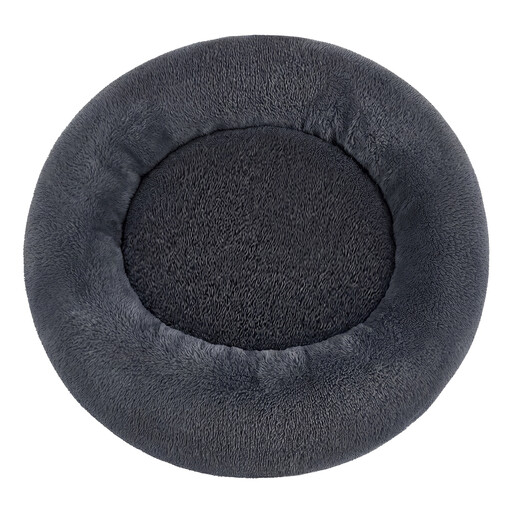
Why it suits this type of buyer: The 120 cm diameter is designed for large dogs or households with several pets. The high edge and generous PP filling create a spacious nest-like shape.
The central filling can be removed using the zip. The product information also specifies a washable cover and rubber anti-slip dots.
120 cm diameter, 20 cm height, PP cotton filling and suitable for large dogs.
We’ve put together a complete, up-to-date list of products that meet these strict selection criteria and the applicable European safety regulations.
Measure your dog from nose to the base of their tail while they’re lying stretched out. Then allow extra room for the raised sides and for them to move around. Use the stated diameter as a guide, but check the internal dimensions too, if they’re available.
First remove the central cushion or outer cover according to the product instructions. Wash on a gentle cycle with a suitable detergent, and don’t use bleach or harsh cleaning products. Let all the parts dry completely before using the bed again.
How long it lasts depends on the material, your dog’s weight and whether they chew or dig at it. Check the bed regularly for loose seams, tears and exposed filling. Replace it if the filling becomes visible or the structure is no longer stable.
