
Vandaag of morgen in huis

Kwaliteit gegarandeerd

Welkomstaanbiedingen ontgrendelen: GRATIS bezorging | Tot 80% korting | Gratis 30 dagen JoyPlus-proefperiode
Download de app
A donut dog bed may look comfortable, but not every round dog bed suits every dog. A small dog that likes to curl up has different needs from a large dog that sleeps stretched out. Older dogs, anxious dogs and dogs that often play outdoors also require different features.
The biggest purchasing mistakes usually stem from three common pitfalls:
Measure your dog while they are lying down in a relaxed position. Add extra space if they like to turn around or sleep stretched out. Don’t just look at the diameter; also consider the height of the rim and the available internal space.
As a practical guide:
Always check the product specifications and recommended weight. A dog bed for small and large dogs is not automatically available in one universal size.
PP cotton, polyester fibre and foam all feel different. A donut dog bed with PP cotton filling generally has a soft, full shape. A bed with egg-crate foam — profiled or egg-box foam — provides a more structured sleeping surface.
Some models are described as an orthopaedic dog bed. This is a product designation, not a medical guarantee. According to FUNNYFUZZY’s product description, the profiled foam is designed to support the back, neck and legs. For a dog with joint problems or persistent discomfort, a dog bed is no substitute for advice from a vet.
Also consider how the bed recovers after use. Vacuum-packed beds need to be shaken and fluffed up after unpacking. Allow the material time to regain its shape before deciding whether the filling is firm enough.
A washable dog bed is easier to maintain, but read the care instructions carefully. Check the following:
Do not put a cover back on straight away if it is not completely dry. Also check the zip, stitching and filling regularly. An anti-slip dog bed with rubber grips can help limit movement on a smooth floor, but always place the bed on a flat, dry and stable surface.

Why it suits this profile: The round shape and size are designed for cats and small dogs that like to sleep curled up. The bed fits easily in a living room, bedroom or crate area.
The size is clearly stated: 60 × 20 cm. The central filling can be removed using a zip; before buying, check which parts are machine washable according to the care label.
Plush surface, PP filling, removable central cushion and rubber anti-slip grips on the underside.

Why it suits this profile: This soft dog bed combines plush and sherpa with egg-crate foam, a raised headrest and a removable cover. It is suitable for dogs that rest regularly and need a more shaped sleeping area.
The foam structure means you are not relying solely on a soft outer layer. The cover is removable and machine washable; the core must be maintained separately according to the product information.
Egg-crate foam, raised headrest, removable machine-washable cover and anti-slip underside.
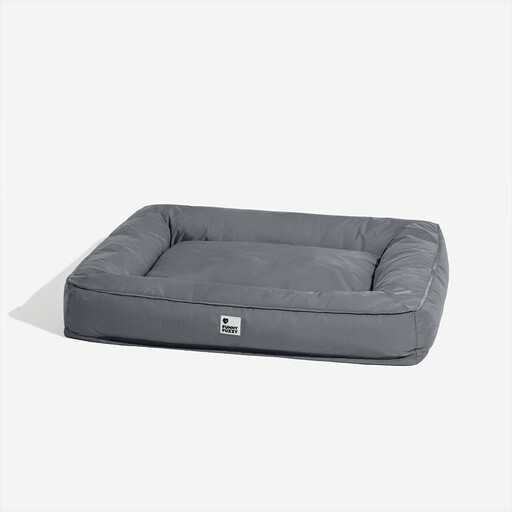
Why it suits this profile: The Oxford fabric and all-round rim are practical for large dogs, dogs that like to dig or dogs using a bed in a place where dirt is more likely to get in.
The water-repellent fabric is a practical choice, but it does not mean the bed should be left outside in prolonged rain. All parts must be completely dry before assembly.
Water-repellent Oxford fabric, all-round rim, removable parts and a design that, according to the product information, is resistant to scratching.
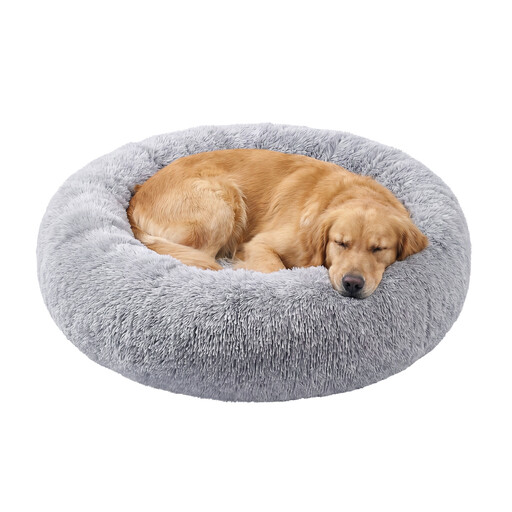
Why it suits this profile: The 120 cm diameter is designed for large adult dogs that like to stretch out. The high rim also provides a clear boundary around the sleeping area.
The generous size prevents you from choosing a large dog bed based solely on its soft appearance. The central cushion cover can be removed using a zip; according to the product information, the inner filling is not machine washable.
120 cm diameter, long-plush material, PP filling, removable cover and rubber anti-slip base.
Place the bed on a stable, flat floor and make sure the anti-slip side is in full contact with the surface. For a new, vacuum-packed bed, loosen the filling and allow the model to expand fully according to the product information.
Your dog may need time to get used to a new sleeping surface. If necessary, place a familiar blanket or toy in the bed. Supervise your dog during the first few uses, particularly if they chew fabric or zips. Stop using the bed as soon as the stitching starts to tear or the filling becomes visible.
Clean the cover according to the care label and avoid bleach or harsh cleaning products. Regularly vacuuming or removing hair helps keep a plush dog bed fresher for longer. Its lifespan depends on use, washing, size and chewing behaviour, so inspect the bed regularly rather than assuming it will last for a fixed period.
We have put together a complete, up-to-date list of products that fully meet these strict selection criteria and the applicable European safety regulations.
The raised, round rim can create a feeling of enclosure and security. Product descriptions sometimes use terms such as “calming dog bed” for this reason. The effect varies from dog to dog and is not guaranteed. Choose a quiet spot and let your dog get to know the bed at their own pace.
That depends on shedding, mud, accidents and allergies in your household. Remove hair between washes and wash the removable cover when it is visibly dirty or starts to smell. Check beforehand whether only the cover or the cushion can be washed.
Measure your dog in their longest relaxed position and compare this with the bed’s internal dimensions. For small dogs that curl up, 60 or 70 cm may be sufficient. Medium-sized dogs often need more space, while large dogs should generally look at 100, 120 or 140 cm. Also consider the rim, as it reduces the effective sleeping area.
