
Vandaag of morgen in huis

Kwaliteit gegarandeerd

Welkomstaanbiedingen ontgrendelen: GRATIS bezorging | Tot 80% korting | Gratis 30 dagen JoyPlus-proefperiode
Download de app
Buying a bag of dog treats seems simple until you discover that not every treat is suitable for every occasion. A soft treat can be useful during training, but less suitable for prolonged chewing. A treat with a high meat content may sound appealing, while its size or nutritional value may not suit your dog. And some products that look like dog treats are not pet food at all.
As a Joybuy Product Recommendation Officer, I filter product information based on verifiable points. This makes it easier to see which dog treats suit your dog, budget and intended use.
Words such as “natural”, “premium” or “for a healthy dog” say very little on their own. Instead, look at the ingredients, moisture content, fat percentage, serving size and whether the product is described as complete or complementary pet food.
A complementary treat is not a substitute for a complete meal. You should also avoid automatically treating claims about teeth, coat or digestion as guaranteed results. A brand may mention an effect based on its own research, but this is not a guarantee for every animal.
A large dog chew is not automatically suitable for a small dog. Soft dog treats are usually handy for giving quickly by hand, while dried strips or sticks may keep your dog occupied for longer. Always stay nearby when giving chews and follow the instructions on the packaging.
Also pay attention to the difference between dog training treats and snacks for between meals. Small, breakable portions are practical for training. A large treat can quickly increase your dog’s daily calorie intake.
Fuet, biltong, confectionery and high-protein snacks for people are not automatically suitable for dogs or cats. Stegeman Fuet, for example, contains 4.5 grams of salt per 100 grams and milk. Look-O-Look Top Mix contains, among other ingredients, sugar and wheat. These products should not be given as dog treats or cat treats.
First, check whether the product is intended for dogs or cats. Cat snacks and cat treats are formulated for a different species from dog treats. Also check the age range: some products are intended for adult animals, while others are suitable for all ages.
For example, according to the product information, Vitakraft Liquid Snack Chicken is intended for cats aged 3 months and over. Felix Crispies is described as complementary food for adult cats. So do not choose a product based on its flavour name alone.
Do not compare only the meat percentage shown on the front. Also check the full ingredients list and analytical constituents.
For example, the INABA Fun Bites Dog Chicken Wraps Chicken with Sweet Potato lists 82% moisture, 11.5% crude protein and 2.2% crude fat, according to the product information. The treat is intended as complementary food and not as a replacement for a complete meal.
Convenient packaging helps to reduce waste, but check how long the product can be kept once opened. According to the product information, an opened pouch of the INABA dog treat should be sealed properly, stored in the fridge and used within 24 hours. The chicken and cheese variety consists of eight 12-gram portion packs, making it easier to manage quantities during training.
For dry treats, the usual advice is to store them in a cool, dry place and reseal the packaging after opening. Always provide fresh drinking water and consider adjusting your pet’s main meal if you give lots of treats every day. As a practical guideline, treats are often kept to a maximum of around 10% of the daily energy intake. In addition, follow the packaging instructions and your vet’s advice for specific dietary needs.
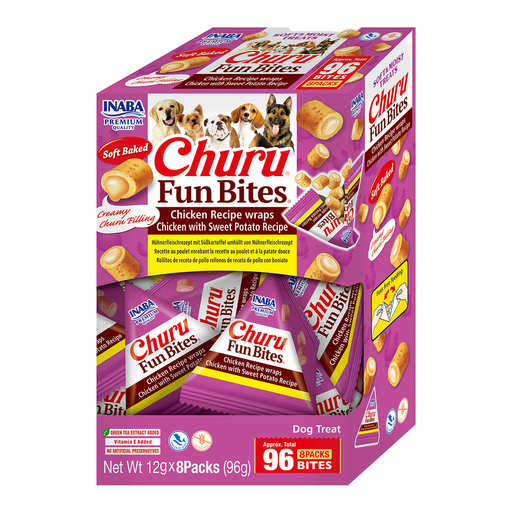
Why it suits this profile: The soft texture and 40-gram portion are practical for rewarding your dog between meals or during short training sessions.
The product information clearly states that this is complementary food, with moisture and nutritional values provided for checking.
Chicken with sweet potato, 82% moisture and a soft texture.
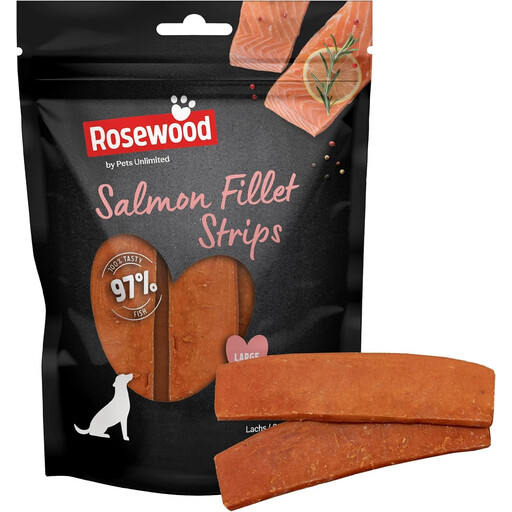
Why it suits this profile: For dog owners looking for a fish-based option with a specified main ingredient.
The description states that it contains 97% salmon and has no added grains, gluten, artificial colourings, flavourings or preservatives.
150 grams of soft salmon strips; according to the product information, low in fat.
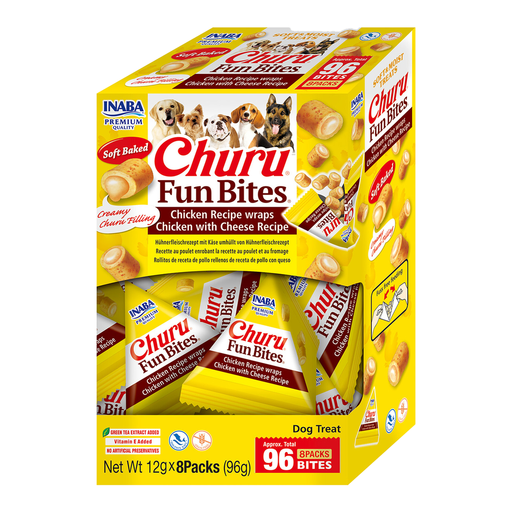
Why it suits this profile: The individual packs are suitable for training, hand-feeding or storing small portions.
The size makes excessively large rewards less likely; the packaging also recommends limiting treats to 10% of the daily energy intake.
8 packs of 12 grams, 69% moisture and 15.6 kcal per pack according to the product information.

Why it suits this profile: The small sticks are intended for smaller dogs and offer a different type of treat from soft training snacks.
The product information highlights the small size and states that supervision is required while your dog is eating. This prevents you from choosing based on flavour alone.
10 small sticks with a dried chicken layer around beef hide; according to the description, with no added grains or gluten.
We have put together a complete, up-to-date list of products that fully meet these strict selection criteria and the applicable European safety regulations.
Store dry dog treats in a cool, dry place away from direct sunlight. Seal opened packs securely. Soft or liquid treats often need to be refrigerated after opening; always check the label. Do not give your pet a treat if it smells unusual, has changed colour or comes in damaged packaging.
Use treats as part of your pet’s overall feeding plan. If necessary, break a stick into smaller pieces and keep track of how many rewards you give during intensive training. If your dog has allergies, is overweight, follows a special diet or you are unsure about a chew, it is wise to consult a vet.
Small, soft and easy-to-break treats are generally practical. You can give the reward quickly without interrupting the training session for too long. However, check the fat content and recommended daily amount.
No. “Grain-free” only tells you that grains are absent; it does not automatically indicate that the overall ingredients, portion size or suitability for your dog are right. Read the ingredients list and also check for other potential allergens.
This depends on your dog’s weight, age, activity level and the energy content of the treat. Follow the feeding guidance on the packaging and, preferably, keep treats to around a maximum of 10% of the daily energy intake. If necessary, reduce the main meal without unbalancing your dog’s overall diet.
