
Vandaag of morgen in huis

Kwaliteit gegarandeerd

Welkomstaanbiedingen ontgrendelen: GRATIS bezorging | Tot 80% korting | Gratis 30 dagen JoyPlus-proefperiode
Download de app
A bag of dog food labelled “premium”, “grain-free” or “high protein” can seem like a safe choice at first glance. But on its own, a claim like this tells you little about whether the food is right for your dog. The right choice depends on your dog’s age, size, activity level, condition, preferences and the full list of ingredients.
In this buying guide, you’ll find out what to look for in dog food, which common pitfalls can lead to the wrong purchase, and which products suit different types of dogs.
“Grain-free dog food” doesn’t automatically mean the food is a better fit. Grains may have been replaced with ingredients such as peas, lentils or chickpeas. So don’t just look at the front of the packaging: check whether the product is intended as complete food and what analytical constituents are listed.
If your dog has a known food intolerance, the ingredients list is particularly important. For example, a recipe containing chicken may also include other animal ingredients.
Puppy food, food for adult dogs and senior dog food are designed with different nutritional goals in mind. Puppies are still growing and have different energy needs from adult dogs. With food for large breeds, kibble size, feeding guidance and the balance of nutrients may also be relevant.
So don’t treat general guidelines as fixed portion sizes. The guidance on the packaging is a starting point and should be adjusted to your dog’s body condition and activity level.
A large bag of dry dog food often looks better value than small packs of wet food. But that’s not the whole picture. Wet food generally contains a lot of moisture, so you’ll feed a greater weight per day. It’s better to compare the daily feeding cost, recommended portion and how long the food keeps once opened.
A large pack is particularly practical if you have several dogs or will use the food up quickly enough. Store dry food in a tightly sealed container in a cool, dry place.
Check these details on the product page or packaging:
A puppy food isn’t necessarily suitable for a senior dog. Equally, adult dog food may not meet the needs of a young dog as it grows.
Check the ingredients, which are listed in descending order, and look at the percentages provided. For example, the Orijen Puppy Formula product lists chicken, turkey, egg and fish, among other ingredients, with a stated minimum of 38% crude protein and 18% fat. These are verifiable product specifications, but they don’t tell you on their own whether the food is right for every puppy.
Also compare:
Claims about supporting skin, coat, joints or digestion should be read as claims made by the brand. According to the manufacturer’s own information, some recipes contain omega-3 fatty acids, prebiotic fibres or glucosamine, for example. Don’t take this to mean the food has a medical effect.
Large kibble isn’t always right for a small dog, while very small kibble may be less practical for a large dog. Check whether the packaging gives information about kibble size.
When introducing a new dog food, switch gradually, for example over 7 to 10 days when changing dry food. Keep an eye on your dog’s stools, appetite, weight and general condition. Always provide fresh drinking water. If symptoms persist, your dog has a medical condition or you’re unsure about their diet, it’s a good idea to speak to a vet.
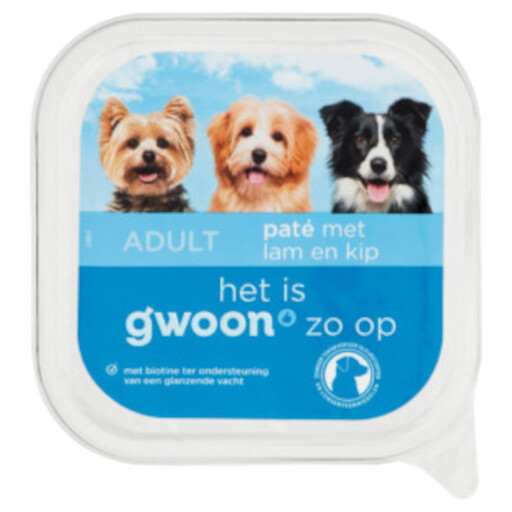
Why it suits this profile: A soft wet food for adult dogs, with lamb and chicken listed as the main ingredients. The portion can be divided between meals.
The product description identifies it as complete food for adult dogs. Before buying, check the latest nutritional analysis on the label.
Soft pâté texture, a blend of lamb and chicken, suitable for adult dogs.
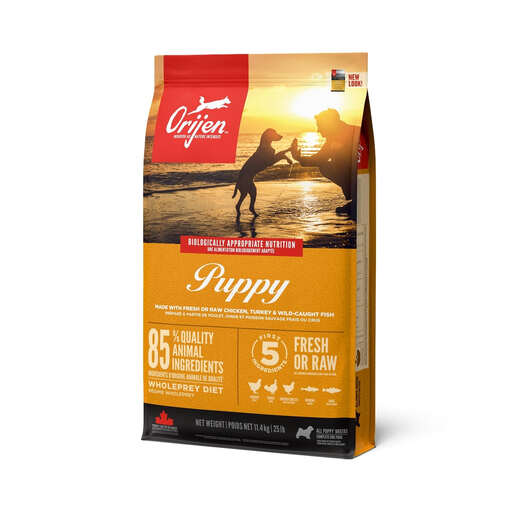
Why it suits this profile: Designed for puppies of all breeds, with a large pack size and a stated high proportion of animal ingredients.
The product information gives the life stage, kibble size, feeding guidance and analytical values. Grain-free is a product specification here, not an automatic measure of quality.
11.4 kg of dry food, at least 38% crude protein according to the product information, suitable for puppies.
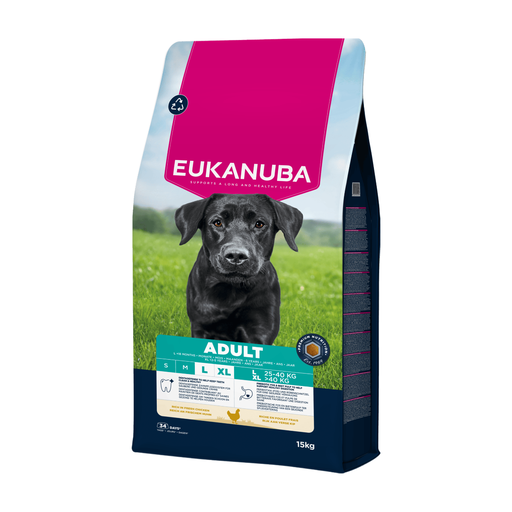
Why it suits this profile: Intended for adult large-breed dogs, with a generous pack size for households that feed larger portions every day.
The product description gives the intended dog type, age range and ingredients such as chicken. Adjust the portion to your dog’s activity level and body condition, rather than relying on breed name alone.
15 kg of dry food, designed for large adult dogs, with chicken listed as an ingredient.
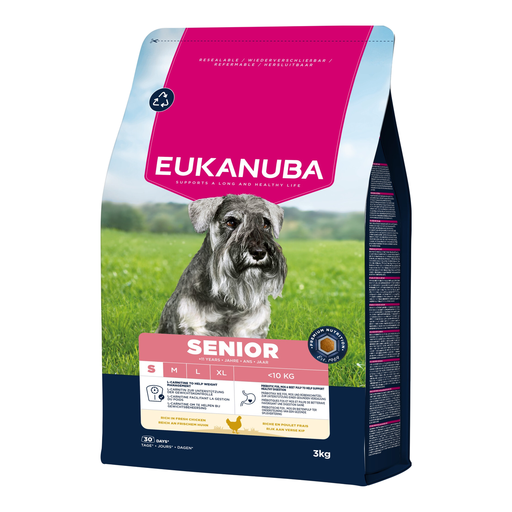
Why it suits this profile: Made for small senior dogs from the age stated in the product information, with a smaller pack that makes it easier to keep the food fresh.
The packaging identifies small senior dogs as the intended audience. If you have an older dog, always check that the ingredients suit their individual dietary needs.
Small 3 kg pack, with chicken listed as an ingredient and formulated for small senior dogs.
Dry dog food is easy to portion, simple to store and often practical for everyday feeding. A large pack can reduce the cost per kilogram, but check the use-by date and seal the bag properly after each use.
Wet dog food contains more moisture and often has a soft texture. This can be useful for dogs that prefer pâté or chunks in jelly. Once opened, it should generally be covered, kept in the fridge and used within the time stated on the packaging.
You can combine dry and wet food, but adjust the total daily amount. Feeding two full portions alongside each other can quickly provide too much energy.
We’ve put together a complete, up-to-date list of products that meet these strict selection criteria and current European safety regulations.
Start by following the feeding guidance on the packaging and divide the daily portion between one or more meals. Puppies usually need smaller meals more often than adult dogs. Adjust the amount according to your dog’s weight, activity level and body condition.
Dry food stays usable until its use-by date if you store it in a cool, dry place in a sealed container. Once opened, wet food should be refrigerated as directed on the packaging. Many product details give a maximum storage time of 48 hours, but always check the specific label.
No. Grain-free dog food is simply a choice of ingredients. It doesn’t prove that the product is necessary or suitable for every dog. Check the full ingredients list, nutritional analysis and life stage the food is intended for.
