
Vandaag of morgen in huis

Kwaliteit gegarandeerd

Welkomstaanbiedingen ontgrendelen: GRATIS bezorging | Tot 80% korting | Gratis 30 dagen JoyPlus-proefperiode
Download de app
A bag of dog or cat food featuring appealing terms on the front is not automatically suitable for your pet. Words such as “premium”, “natural” and “grain-free” only tell you something when you also check the composition, nutritional status and feeding instructions. This helps you avoid a poor purchase and choose food that suits your pet’s age, size and daily activity.
Grain-free dog food contains no grains, but it may still contain other sources of carbohydrates, such as potato, peas, chickpeas or lentils. Grain-free is therefore a product feature, not a general guarantee of better tolerance. Always check the full ingredients list and the analytical constituents.
A pack may display chicken, fish or lamb prominently, even though the proportion of these ingredients is limited. Check whether the protein source appears near the top of the composition and whether the percentage is stated. With dog food containing fish, chicken or lamb, it is also important to check whether multiple animal protein sources are present.
This is particularly relevant when you are specifically looking for dog food for sensitive digestion or a recipe with one main protein. If problems persist, a vet should guide your choice of food; a brand’s nutritional claims are not a medical assessment.
Puppy food, adult dog food and cat food are not interchangeable. A puppy has different nutritional needs from an adult dog. Dog food for small dogs also often differs in kibble size and nutritional density from food for medium-sized and large breeds.
At a minimum, check the following on the packaging:
For everyday use, preferably choose a product labelled as complete pet food. This means that, according to the product information, it is intended to be fed as a complete diet. A treat, topper or complementary food has a different purpose.
Also check the levels of crude protein, fat, fibre, ash and moisture. Dry dog food generally has a low moisture content, while wet dog food and cat food in pouches contain considerably more. This means you cannot directly compare gram quantities between dry and wet food.
The term “complete food” is based on the product listing, not on an individual health assessment. If in doubt, follow the feeding guidelines on the packaging.
Ingredients are generally listed in descending order. For example, if fresh cod appears first and dehydrated cod protein is also listed, it is clearer which protein source is central than when the description simply says “meat and animal derivatives”.
Farmina dog food includes several options:
According to the product descriptions, Orijen dog food contains several animal ingredients, including chicken, turkey, fish, egg or red meat. This suits households that deliberately choose a mixed-protein diet, but is less suitable if you specifically want to limit your pet to one protein source.
A 10 or 12 kg bag may appear economical, but it is only practical if your dog accepts the food well and you use the bag within a suitable period. Store dry food in a cool, dry place, seal the packaging securely and check the best-before date and batch number.
A small 2.5 kg bag may make more sense when trying a new recipe, if you have a small dog or if you want to compare different flavours. Wet food is available in portion packs and multipacks, but opened cans or trays should be refrigerated and used promptly according to the product instructions.
For cats, complete wet cat food, cat food in pouches and a cat food multipack are practical for portion control and variety. However, check whether the multipack contains complete food rather than only complementary meal pouches.
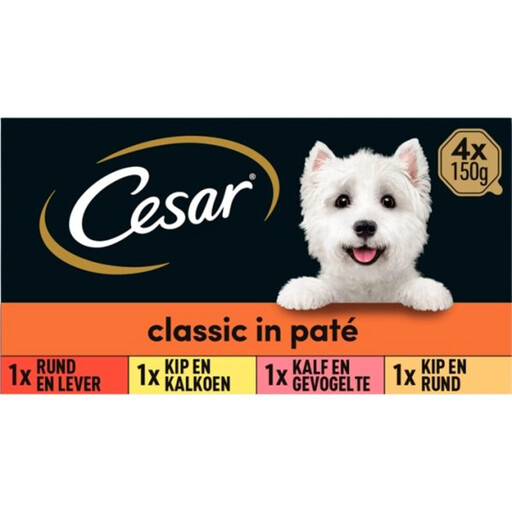
Why it suits this profile: The 150 g portions and four varieties make it easy for owners of small adult dogs to try and portion the food.
The product information clearly states that this is complete wet food for adult dogs; check the portion guide on the packaging.
Four flavours, 83% moisture according to the product details, and storage in the fridge for up to 48 hours after opening.
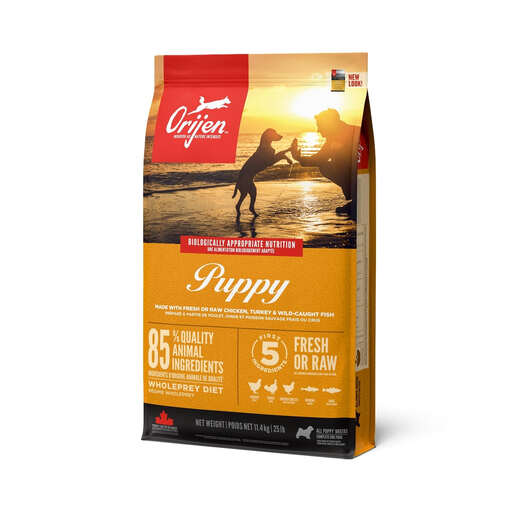
Why it suits this profile: For anyone looking for puppy food with multiple animal ingredients in a large bag.
The product description states 38% crude protein and a grain-free composition. Always compare these values with the current packaging.
11.4 kg content, with chicken, turkey, egg and fish in the ingredients list, plus a gradual transition over 7–10 days.
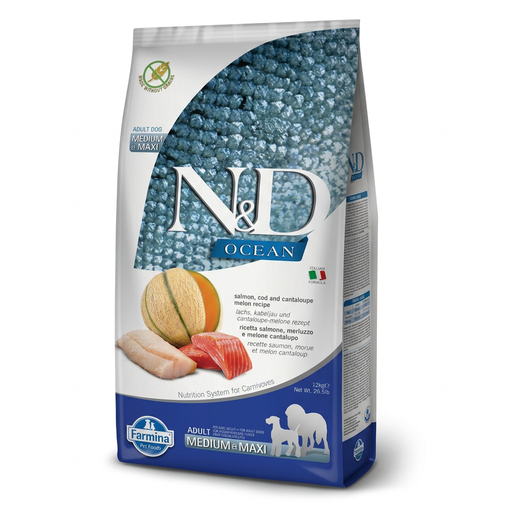
Why it suits this profile: Designed for adult medium-sized and large dogs where fish is preferred as the main protein source.
The ingredients list names salmon, cod and herring with percentages. This allows you to verify the fish claim rather than relying solely on the front of the pack.
30% crude protein, 18% fat and 12 kg content according to the product information; intended as complete food for adult medium-sized and large dogs.
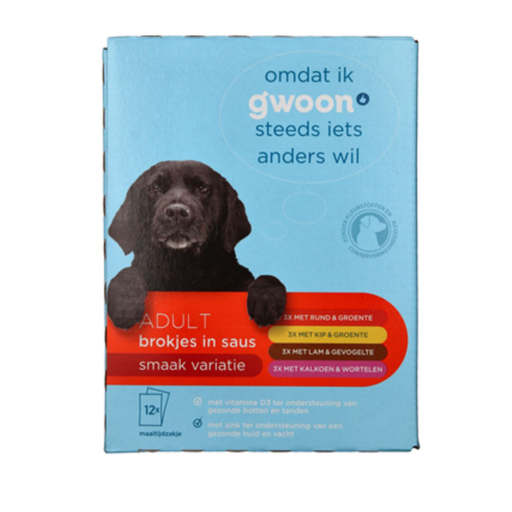
Why it suits this profile: A practical choice for adult cats when pouches, portions and several flavours are important.
The packaging states that there are twelve pouches, and the product information identifies adult cats as the target group. Check the composition if you want to avoid grains.
Multipack with four bundles of three pouches and a high moisture content according to the product description.
We have put together a complete, up-to-date list of products that fully meet these strict selection criteria and the applicable European safety regulations.
When trying a new recipe, start by buying a smaller pack unless you already know that your pet enjoys the product. Mix the new food gradually with the old food. Many product instructions recommend a transition period of around seven to ten days. Monitor your pet’s stools, appetite and body condition. Stop if clear problems arise and ask a vet for advice.
Also pay attention to the energy content. Food with a higher fat or protein content may require a different daily portion from the previous product. Use the table on the packaging as a starting point and adjust the amount according to weight, activity and body condition.
No. Grain-free simply means that the recipe contains no grains. It does not automatically mean that the food is necessary for every dog or that it will be better tolerated. Check the full ingredients list and consult a vet if problems keep recurring.
Dry food contains less moisture and is often easier to store per kilogram. Wet food contains more moisture, but you generally need a larger quantity to provide the same amount of energy. Therefore, compare the cost per day, not just the price per bag, tin or pouch.
This varies by product. Seal dry food securely and store it in a cool, dry place. Opened wet food should generally be covered and kept in the fridge. Cesar, for example, states that leftovers can be kept for up to two days; always check the current instructions on the packaging.
