
Vandaag of morgen in huis

Kwaliteit gegarandeerd

Welkomstaanbiedingen ontgrendelen: GRATIS bezorging | Tot 80% korting | Gratis 30 dagen JoyPlus-proefperiode
Download de app
Buying a bag of dog treats seems simple, until you have to choose between soft dog treats, chew sticks, biscuits and training rewards. Attractive packaging says little about whether a product is suitable for your dog. A small dog has different needs from a powerful chewer, and a treat for daily training is not automatically suitable as a long-lasting chew.
Pay particular attention to the ingredients, size and instructions for use. This helps you avoid paying for marketing terms that do not match how the product is actually intended to be used.
Terms such as “for dental care”, “supports dental health” or “encourages chewing” sound convincing. However, the result depends on factors including chewing style, the size of the dog and how often the treat is given. According to the product descriptions of some brands, chews may contribute to daily dental care; they are not a replacement for veterinary checks or care.
A large, hard treat can be awkward for a small dog. A small, soft reward may simply be swallowed quickly by a large dog. Check whether the packaging specifies a target group, such as “mini”, “up to 15 kg” or “all breeds and sizes”.
Chicken dog treats, beef, lamb, salmon and bacon are popular flavours, but the ingredients list is more important than the name on the front. Look out for allergens, cereals, milk products and the proportion of animal ingredients. Even a dog treat without artificial colourings may still contain other additives. Always read the full ingredients list.
Dog treats are usually complementary pet food. They do not replace a complete meal. The guidance on various packs is that treats should make up no more than around 10% of your dog’s daily calorie intake. Adjust the main meal if you give a lot of training rewards.
When comparing products, check:
A high moisture content can explain a soft texture. For example, INABA states a moisture content of 82% to a minimum of 90% for certain products. This makes the treat more succulent, but it remains a treat and is not a replacement for drinking water or complete food.
Small, easy-to-break treats are practical for training. Soft dog treats can be given quickly without interrupting the exercise for too long. For relaxed chewing, sturdy chew sticks or bone-shaped treats are a more logical choice.
Also check the instructions:
For example, INABA Fun Bites and Churu state that an opened product should be refrigerated and used within the specified period. This is important when giving small portions.
For a training reward for dogs, a treat that is easy to portion is often more convenient than a large stick. According to the product information, the Vitakraft Beef Original Lamb Stick can be broken into pieces and has feeding guidelines for different weight categories. According to the packaging, Pedigree Jumbone Mini is intended for small adult dogs weighing up to 15 kg, with a specific weekly allowance.
Never use a treat simply because the packaging says it is “for all dogs”. Consider your dog’s chewing strength and supervise them when giving hard products.
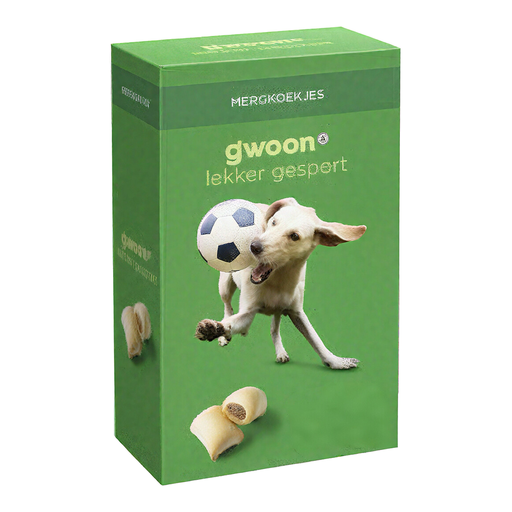
Why it suits this profile: The 500 g pack is practical for regular rewards. The biscuits have a crunchy exterior and soft marrow filling.
The product information lists dogs of all breeds and sizes as the target group. However, check the piece size and ingredients, including gluten, yourself.
500 g contents; crunchy texture with soft filling; according to the product description, free from artificial colourings and flavourings.
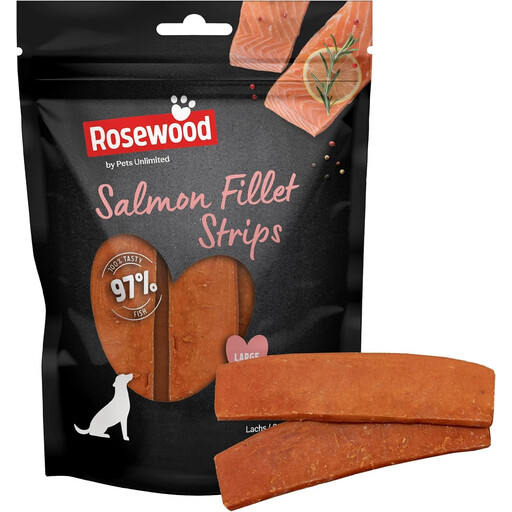
Why it suits this profile: These soft strips are suitable for owners looking for a treat with fish as the main ingredient.
The product description states that it contains 97% salmon and no added cereals, gluten, artificial colourings, fragrances or flavourings. Check the current packaging for details.
150 g contents; soft strips; according to the product information, low fat content and a high proportion of salmon.
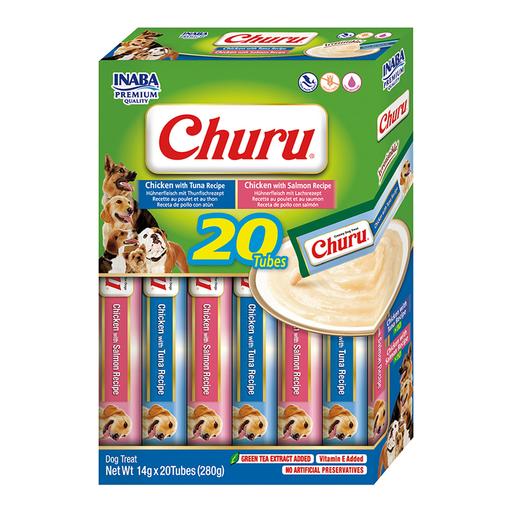
Why it suits this profile: The individually portioned packs are suitable for training, as a topper or for dogs that prefer soft treats.
The tubes are individually portioned, making it less likely that you will give too much. The product remains complementary pet food, not a complete meal.
20 tubes of 12 g; chicken and seafood varieties; according to the product information, at least 90% moisture.
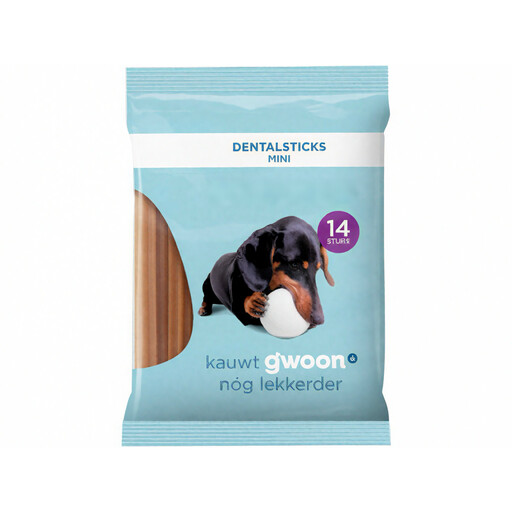
Why it suits this profile: According to the product description, this variety was specially developed for small dogs and is suitable for a daily chewing routine.
The size is not described in general terms, but is specifically labelled “mini”. Always check the packaging and supervise your dog while chewing.
Designed for small dogs; developed as a chew stick; according to the product information, free from the 14 main EU allergens.
We have compiled a complete, up-to-date list of products that fully meet these strict selection criteria and the applicable European safety regulations.
This depends on the dog’s weight, age, activity level and the type of treat. As a practical guideline, treats should provide no more than around 10% of the daily calorie intake. During intensive training, you can use smaller pieces and slightly reduce the regular meal.
No. According to product descriptions, certain chews may help support chewing behaviour or daily dental care, but the effect varies from dog to dog. They do not replace a complete dental care routine or veterinary advice if there are any problems.
Choose a size that suits your dog’s jaw and chewing strength. Products labelled “mini” or carrying a weight recommendation, such as for dogs up to 15 kg, provide a clearer starting point. Soft dog treats and small, breakable rewards are often practical during training, provided you control the portion.
