
Vandaag of morgen in huis

Kwaliteit gegarandeerd

Welkomstaanbiedingen ontgrendelen: GRATIS bezorging | Tot 80% korting | Gratis 30 dagen JoyPlus-proefperiode
Download de app
Dog treats may seem simple to choose, but there are major differences in size, ingredients, texture and shelf life. For example, a bag of dog treats can be impractical during training, while a large chew may not be suitable for a small dog. Terms such as “natural”, “healthy” or “dental care” only mean something when you check the ingredients and feeding instructions.
The most common pitfalls when choosing dog treats are:
First, check whether the product is complementary pet food rather than a complete meal. Then check the ingredients list, moisture content and analytical constituents. For example, INABA Churu Dog Multipack states a moisture content of at least 90%, with 9.5% crude protein and 0.6% crude fat. The tubes can be used as a reward, topping or training treat.
A high moisture content makes a treat soft and easy to portion, but it does not automatically mean that the product is suitable for every dog. Always check the ingredients if your dog has known sensitivities. With chicken, fish or beef treats, it is important to know which animal-derived ingredients have been used.
For dog treats for small dogs, portion size and chewability are particularly important. According to the product information, Pedigree Jumbone Mini is intended for adult small dogs weighing up to 15 kg. The manufacturer states that dogs weighing 4 to 10 kg should have a maximum of one piece per week. The product is not intended for dogs weighing under 4 kg or puppies younger than 9 months.
Soft dog treats are useful for training because you can quickly give several small rewards. Firmer dog chews are better suited to calm, sustained chewing. Always supervise your dog with chew products and choose a size that is suitable for your dog.
Check the shelf life after opening. Many soft treats need to be sealed and stored in the fridge after opening, and used within 24 hours. Other dog treats, for example, may have a usage period of 14 days after opening. The exact instructions on the packaging take precedence.
A practical rule of thumb for various products is that treats should provide no more than 10% of your dog’s daily calorie intake. Adjust the main meal if necessary. The correct amount depends on weight, age, activity level and body condition. Always make sure your dog has fresh drinking water too.
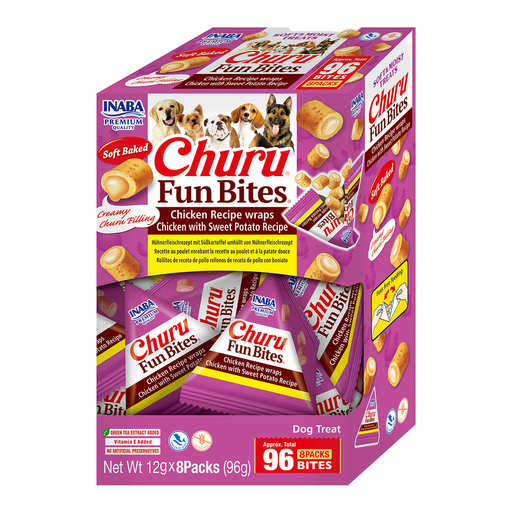
Why it suits this profile: This soft treat in a pouch is practical as a reward between meals or during short training sessions. According to the product information, the chicken and sweet potato variety contains 82% moisture.
The clear pouch format and soft texture make portioning easier than with large chew sticks. After opening, however, check the refrigeration and 24-hour instructions.
Chicken and sweet potato listed as the main ingredients; 40 g per pack; suitable as a snack or training reward.
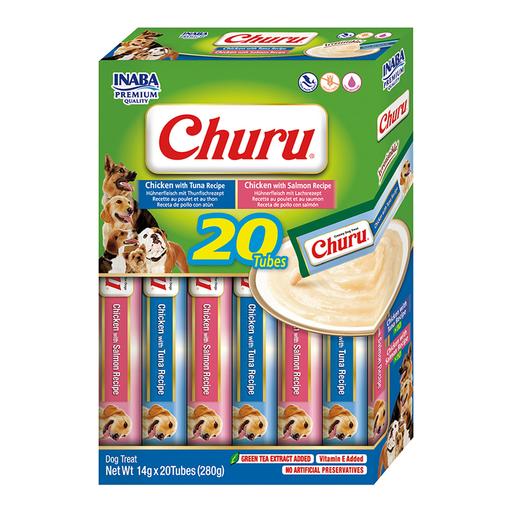
Why it suits this profile: If you are looking for variety, you get two flavours with chicken, tuna and salmon. The twenty 12 g tubes can be opened individually, making them useful as a small reward or topping.
The portions are pre-measured, so you are less likely to give too much. It remains complementary food and does not replace a complete meal.
20 x 12 g; at least 90% moisture according to the product information; two chicken and seafood flavours.
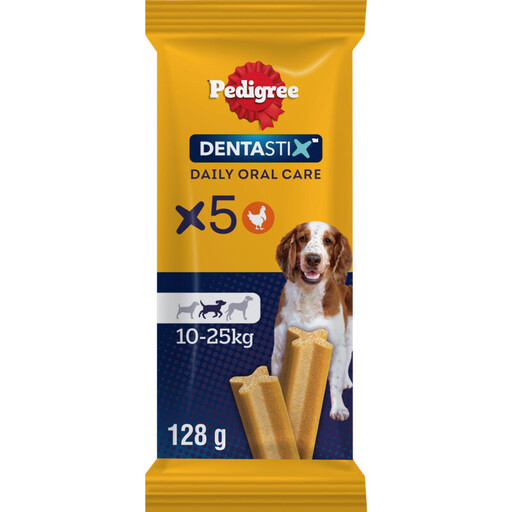
Why it suits this profile: This is a daily chew for medium-sized dogs from 4 months old. The manufacturer states that it has a specific shape and recommended frequency of use for canine dental care.
The target group is clearly stated: medium-sized dogs. According to Pedigree’s own information, the product may help to reduce plaque; this is not a substitute for examination or care by a vet.
One chew per day according to the product information; 1.3% fat; no added sugars; suitable from 4 months old.
We have put together a complete, up-to-date list of products that fully meet these strict selection criteria and the applicable European safety regulations.
If you want to buy dog treats online, you can compare products more quickly by filtering according to three points:
For example, a soft chicken strip is practical as a reward, while a bone or dental chew takes more time. With dried or hard products, make sure your dog is supervised while chewing. If you are unsure about an ingredient, allergy or suitable size, you can ask your vet for nutritional advice.
This depends on the dog’s weight, age, activity level and the calorie content of the treat. Follow the feeding guideline on the packaging and, where the product guideline specifies this, preferably keep treats to around 10% of the daily calorie intake. Reduce the main meal if necessary.
Small, soft dog treats or snacks that are easy to divide into pieces are generally practical for training. INABA Fun Bites and Churu are examples of soft treats that can be portioned. Give small amounts and include all that day’s rewards in the total.
Chewing can contribute to mechanical cleaning, but the effect varies by product and dog. According to some brands’ own information, specific dental treats have been developed to help reduce plaque or tartar. Do not regard such claims as a guarantee, and do not use a chew as a substitute for daily care or a professional check-up.
