
Vandaag of morgen in huis

Kwaliteit gegarandeerd

Welkomstaanbiedingen ontgrendelen: GRATIS bezorging | Tot 80% korting | Gratis 30 dagen JoyPlus-proefperiode
Download de app
Buying a bag of dog treats seems simple, until you have to choose between dog biscuits, jerky, chew sticks and dental sticks. The packaging often makes plenty of promises, but not every treat suits every dog. A small dog may struggle with an oversized chew, while a large dog could swallow a small treat whole.
So don’t focus solely on flavour or appealing claims. The right choice mainly depends on your dog’s size, when you plan to use the treat and its ingredients.
The term natural dog treats says very little on its own about whether a product is suitable for your dog. Always check the ingredients list. A treat may contain chicken, duck or beef, but also grains, sugars, vegetable by-products or oils.
Does your dog have a known food sensitivity? Check the full composition rather than just the flavour mentioned on the front. Some products highlight a particular flavour even though the proportion of that ingredient may be limited.
Dental sticks for dogs and other chews sometimes claim to support oral care. According to a brand’s own research or product information, certain textures may help reduce plaque or tartar. This is not a guarantee for every dog and does not replace regular checks or dental care.
The shape, hardness and size must also be suitable for your dog. An extremely hard treat may be unsuitable for some dogs, while a soft treat may be finished quickly.
A multipack may appear attractively priced, but check how long the treats keep once opened. Some products must be used within 14 days or four weeks of opening. For a small dog, a large bag may therefore be less practical than several smaller packs.
Also compare the price per 100 grams, the number of pieces and the recommended daily amount. This helps prevent a seemingly cheap pack from leaving you with a large amount of unused product.
Choose treats based on your dog’s weight and chewing strength. Products for small dogs are often smaller or softer. Treats for large dogs usually have a larger size or firmer texture.
Always keep an eye on your dog while they are chewing. Remove small pieces that could be swallowed.
Review the ingredients in descending order. Also check the percentages of protein, fat, fibre, moisture and ash where this information is available. “High protein” or “low fat” can only be assessed properly when the label gives specific values.
Examples from the range:
Dog treats are generally complementary pet food and are not a replacement for a complete meal. Much product information recommends that treats make up no more than around 10% of your dog’s daily calorie intake. Reduce their regular meal if necessary.
Pay particular attention with training treats: several small rewards can add up to a significant number of calories. Break jerky dog treats into smaller pieces and, if helpful, keep track of how many you use during each training session.
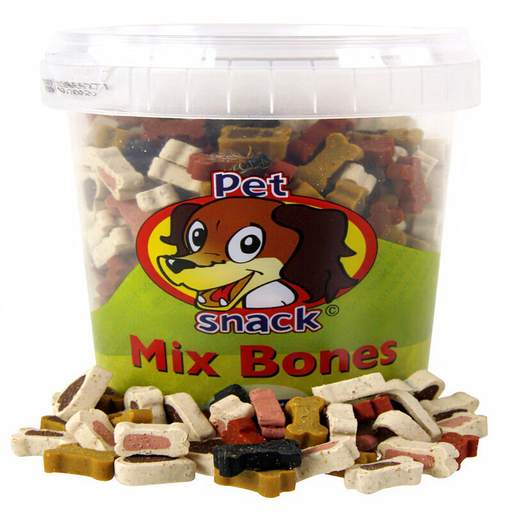
Why it suits this profile: The large pack of soft, bone-shaped treats is practical for households that reward their dogs regularly or have several dogs.
The product information states a recommended small daily amount. This makes it easier to adjust portions to suit how you use the treats.
12 packs of 500 grams; suitable for training, a Kong or as a snack between meals.
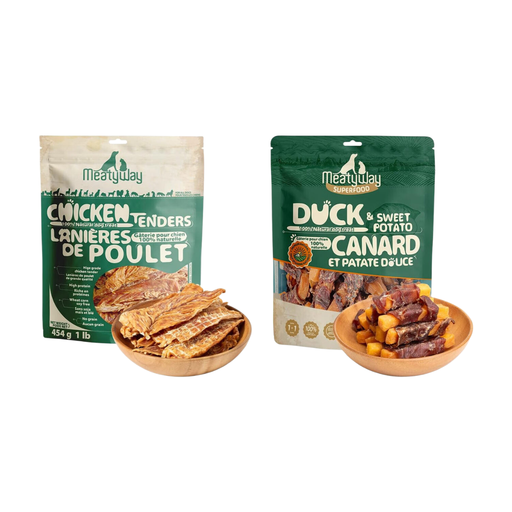
Why it suits this profile: A good option for owners looking for a soft jerky texture and a recipe containing chicken, duck and sweet potato.
The treat is soft and, according to the product information, easy to break into smaller pieces. However, check the exact nutritional values on the label.
Grain-free recipe according to the description; 908 grams in total in a pack of 2.
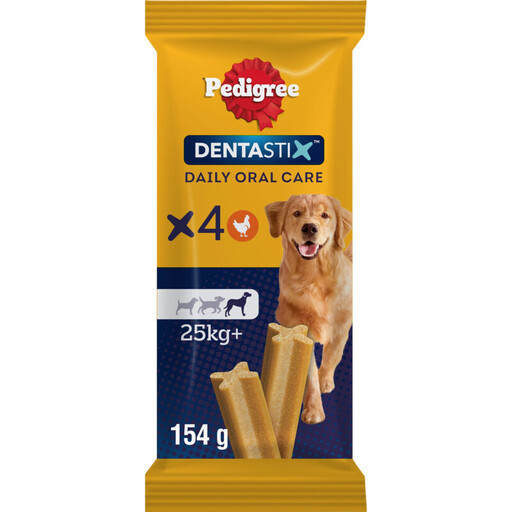
Why it suits this profile: A natural choice for owners looking for a daily chew for a large adult dog.
This variant is specifically marked for large dogs. According to Pedigree’s own research, daily use can reduce tartar build-up by up to 80%; treat this as a brand claim, not a guarantee.
154 grams; no added sugars; analytical value of 308 kcal per 100 grams.
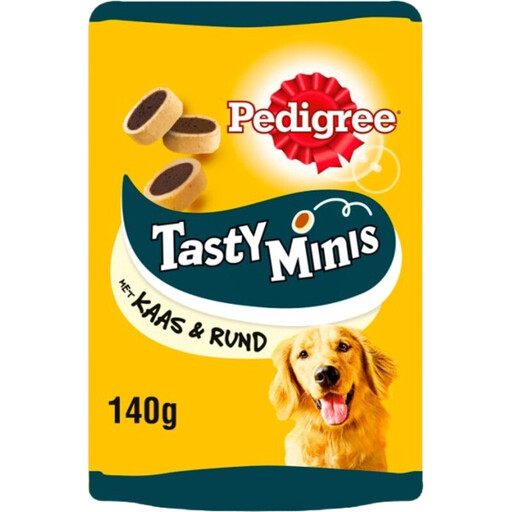
Why it suits this profile: According to the product information, the small, soft pieces are designed as rewards during walks and training sessions.
The packaging provides portion guidance for different weight ranges. This allows you to adjust the amount instead of using large chews.
140 grams; soft pieces; 4% cheese and 4% beef according to the composition.
We’ve put together a complete, up-to-date list of products that fully meet these strict selection criteria and the applicable European safety regulations.
Small, soft treats are usually practical for training. They can be given quickly and are often easy to break up. Keep an eye on the total amount, particularly if you have several sessions each day. Products such as soft bites and jerky can work well for this purpose, provided their ingredients suit your dog.
This depends on the product, your dog’s weight, age and activity level. Follow the feeding guidelines on the packaging and keep treats within the recommended proportion of their daily calorie intake. A dental stick intended for daily use has different guidance from a large chew bone or Jumbone.
No. The flavour alone doesn’t tell you enough. Check the full ingredients list and take allergies or sensitivities into account. Dog treats with chicken, dog treats with beef and dog treats with duck may also contain other animal or plant-based ingredients. When introducing a new product, start with a small amount and observe how your dog responds.
