
Vandaag of morgen in huis

Kwaliteit gegarandeerd

Welkomstaanbiedingen ontgrendelen: GRATIS bezorging | Tot 80% korting | Gratis 30 dagen JoyPlus-proefperiode
Download de app
Buying a bag of dog treats might seem straightforward, until you have to choose between soft dog snacks, chews, dental sticks and value packs. An appealing flavour or a large bag doesn't automatically mean the treat is right for your dog. The right choice depends mainly on your dog's size, when you'll use it, and the ingredients.
Also, be mindful of marketing claims. A treat might be promoted for dental care, but the effect depends on its shape, hardness, chewing duration and how your dog chews it. According to the product information from some brands, dental snacks can help reduce plaque or tartar. Treat such information as a product feature, not a replacement for regular dental care or veterinary advice.
A 500-gram pack or larger might seem like good value, but it isn't always practical. Soft dog snacks can lose their texture after opening. With chews for dogs, it's important that you can reseal the packaging properly and check the expiry information.
Ask yourself:
Dog treats with chicken, dog treats with bacon and dog treats with cheese differ in more than just flavour. The ingredients can also include grains, milk derivatives, sugars, oils or animal by-products. Always check the ingredients list and feeding guidelines on the packaging.
With Bonzo Beggin' Strips, for example, a bacon flavour is listed. The ingredients include grains, animal by-products, glycerol and milk and milk by-products. Although the product information states that it contains none of the 14 main EU allergens, it's wise to check the full label if your dog is sensitive.
A treat that's too small can be swallowed quickly. A treat that's too hard or too large can be unsuitable for a small dog. Products like Pedigree Dentastix Medium are designed for dogs weighing 10 to 25 kg. The Maxi version, according to the product information, is intended for dogs from 25 kg.
Use the weight on the packaging as your first guide. Also consider your dog's chewing strength, age and eating habits. Always supervise your dog when giving chews.
For training dog treats, small, soft pieces are usually handy. You can give them quickly and portion them out more easily. Soft Schmackos strips, for example, can be torn into smaller pieces. Small, cheese-like dog snacks are also practical during a walk.
For longer chewing, look at the shape and hardness. A chew bone or dental stick should be large enough for your dog, but not so hard that chewing becomes unsafe. Follow the manufacturer's guidelines and don't give a treat that is damaged, sharp or unusual.
Dog treats are usually complementary food. They don't replace a full meal. The product information for various treats advises keeping treats to a maximum of around 10% of daily calorie intake. Adjust the main meal if you give rewards regularly.
Check in particular:
First, choose when you'll use it:
A dental stick can be part of your daily routine. According to the product information from Pedigree Dentastix, the shape and structure can help clean hard-to-reach teeth and reduce tartar. These claims come from the brand's product communication and should not be taken as a medical guarantee.
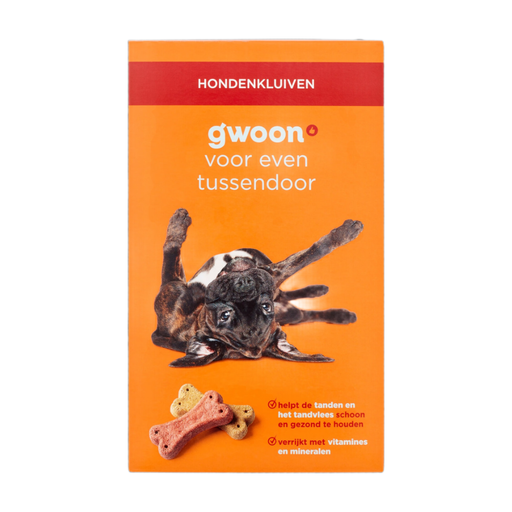
Why this suits the profile: The 500-gram pack is suitable for dog owners who give a chew regularly and prefer to keep a larger stock at home.
The product information states the weight, the chicken variant and the advice to reseal the pack after opening. This lets you assess stock and storage in advance.
500 grams, chicken flavour and intended as a chew between meals. According to the product description, it contains no artificial colours or flavourings.
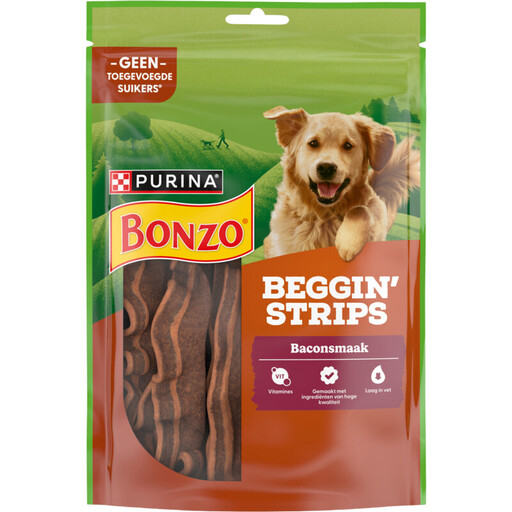
Why this suits the profile: This soft treat suits owners who value flavour and an easy-to-break texture for reward moments.
The ingredients and analytical constituents are listed, including 15.7% protein and 5.7% fat. This makes it easier to compare with other dog treats.
Bacon flavour, soft texture and suitable as a complementary snack or reward for adult dogs. Follow the feeding advice and adjust the main meal if needed.

Why this suits the profile: The multipack is aimed at dog owners who want to give a size-specific dental stick daily to a medium-sized dog.
The variant is clearly linked to medium-sized dogs weighing 10 to 25 kg. Check this range before ordering.
56 sticks with 1.44 kg total weight. According to the product information, this variant contains no added sugar and no artificial colours or flavourings.
We've put together a full, up-to-date list of products that fully meet these strict selection criteria and comply with current European safety regulations.
Generally, keep treats to a maximum of around 10% of daily calorie intake, unless the packaging advises otherwise. Reduce the amount of main meal if necessary. The right number depends on your dog's size, age and activity level.
No. Check the weight and recommended dog size on the packaging. A medium stick isn't automatically suitable for a small or very large dog. Give the stick under supervision and make sure fresh drinking water is available.
They can be, as long as the treat fits within your dog's feeding guidelines. For training, choose small or easy-to-break dog treats. Check the ingredients if your dog is sensitive to certain components, and store opened packs according to the label.
