
Vandaag of morgen in huis

Kwaliteit gegarandeerd

Welkomstaanbiedingen ontgrendelen: GRATIS bezorging | Tot 80% korting | Gratis 30 dagen JoyPlus-proefperiode
Download de app
A bag of dog treats may seem like a quick choice. Yet dog treats vary considerably in ingredients, size, texture and intended use. A soft treat for training needs different properties from a chew designed to keep dogs occupied for longer. Claims such as “natural”, “for healthy teeth” or “without artificial additives” do not always tell the full story.
This practical checklist helps you focus on what is actually stated on the label. That way, you can avoid choosing a treat that is too large for your dog, contains unnecessary calories or is unsuitable for their allergies and dietary needs.
Dental sticks for dogs and other chew products often refer to oral hygiene, plaque or tartar. According to a brand’s product description, chewing may help care for your dog’s teeth, but it is not a substitute for regular dental care or veterinary check-ups. Therefore, focus particularly on the shape, hardness, size and usage instructions.
Dog treats without artificial colourings can be a positive choice, but you should also check the remaining ingredients. For example, a product may contain grains, sugars, glycerol, oils or several animal protein sources. “Without artificial colourings” therefore does not automatically mean that the treat is low in calories or suitable for every dog.
Many dog treats are complementary pet food. They are intended as a reward or snack and do not provide all the nutrients found in complete dog food. The general guideline shown on several product packs is that treats should make up no more than approximately 10% of your dog’s daily calorie intake. Adjust the main meal if necessary, and take your dog’s age, weight and activity level into account.
Choose dog treats for small dogs that suit your dog’s mouth and chewing strength. A chew that is too large can be difficult to handle, while one that is too small may be swallowed quickly. Supervision is important with chew products. Stop feeding the treat if it splinters, becomes unusually hard or breaks into small pieces.
For small adult dogs, a product with an explicit weight indication can be useful. According to the product information, Pedigree Jumbone Mini is intended for adult dogs weighing up to 15 kg. The feeding instructions state that dogs weighing between 4 and 10 kg should have no more than one piece per week. Always check the packaging, as feeding advice may vary between variants.
Do not just look at the flavour name; check the ingredients list as well. Pay attention to:
The percentage of meat can vary considerably in dog treats containing chicken or beef. For example, G'woon Beef Strips lists 18% beef and a crude protein content of 22%. This makes the product easy to compare with other beef dog treats, but the label also lists grains, sugars, preservatives and colourings.
Check the packaging every time you buy, particularly if your dog reacts sensitively to certain ingredients. Product information may combine general allergen information with a composition that includes, for example, milk derivatives, grains or several types of meat. The packaging is the most up-to-date source for ingredients, warnings and shelf life.
Do not give your dog fuet, Bifi, crisps, sweets or other human snacks. These products may contain high levels of salt, fat, herbs and spices, sweeteners or preservatives, and are not formulated as dog food.
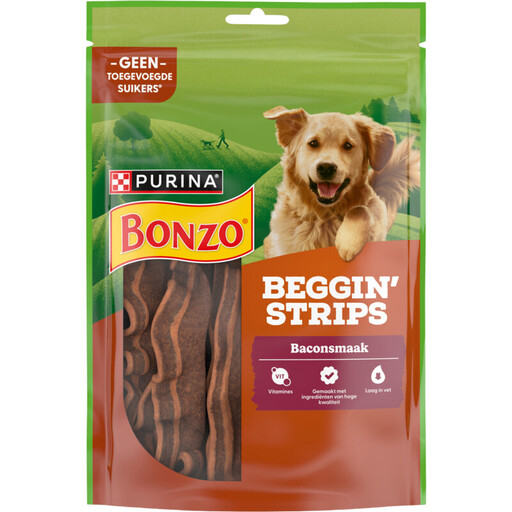
Why it suits this profile: According to the product description, the soft strips are intended as a complementary snack or reward between meals. This makes them practical to portion during simple training sessions.
The product information lists a protein content of 15.7% and a fat content of 5.7%. This allows you to compare the treat more objectively than by relying solely on its bacon-style flavour name.
Soft texture, bacon variety and clear analytical values. This is complementary pet food for adult dogs.

Why it suits this profile: This set contains 10 small sticks with a rawhide centre and a layer of dried chicken. According to the product information, the size is aimed at smaller dogs.
The packaging states that no artificial colourings, flavourings or preservatives have been added. However, check the current packaging and always supervise your dog while chewing.
10 pieces per pack, small variety and free from added grains and gluten according to the product information.
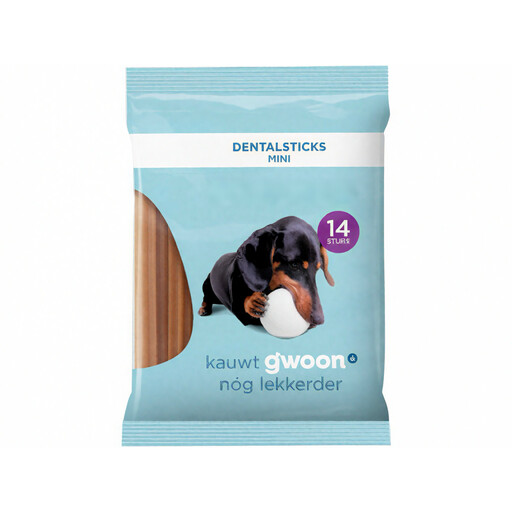
Why it suits this profile: According to the product information, these dental sticks have been specially developed for small dogs and are intended for daily oral care.
The product has a clear intended use and size. However, do not expect it to replace tooth brushing or professional dental care based on the product claim.
Mini version for small dogs and, according to the product description, free from the 14 main EU allergens.
We have put together a complete, up-to-date list of products that fully meet these strict selection criteria and the applicable European safety regulations.
Small, soft dog treats for training are usually practical. They can be given quickly and do not need to be chewed for long. Break larger treats into smaller pieces and include the calories in your dog’s daily food allowance.
No. According to product descriptions, some chews may contribute to oral hygiene, but their effect depends on factors including chewing behaviour, shape and use. Dental sticks are not a substitute for dental check-ups or suitable dental care.
This depends on the dog’s weight, age, activity level and the energy value of the treat. Follow the guidance on the packaging and generally keep treats below 10% of your dog’s daily calorie intake. If you are unsure, or if your dog is overweight or follows a special diet, it is advisable to consult a vet.
