
Vandaag of morgen in huis

Kwaliteit gegarandeerd

Welkomstaanbiedingen ontgrendelen: GRATIS bezorging | Tot 80% korting | Gratis 30 dagen JoyPlus-proefperiode
Download de app
Dog treats are useful for training, as a reward during walks or simply to give your dog something extra to chew. However, not every treat is suitable for every dog. A small, soft dog treat works well during a training session, while a larger dog may benefit more from a firm chew. Focusing solely on flavour or eye-catching packaging can therefore mean paying unnecessarily more for a product that is not right for your dog.
Words such as natural, grain-free and high protein sound appealing, but they do not automatically tell you how much meat, fat or how many calories a treat contains. Always check the full ingredients list and the analytical constituents.
For example, a grain-free dog treat can still be relatively high in calories. A product marketed as having a chicken flavour may also contain other animal or plant-based ingredients. So check whether chicken, beef or duck is actually included in the ingredients and in what quantity.
The size, hardness and texture determine whether a treat is safe and practical. A small dog may struggle with a large jerky strip or chew stick. Supervision is important with firm treats, particularly if pieces can break off.
Product descriptions may state that chewing helps reduce plaque or tartar. Present this as a claim from the product information, not as a guaranteed result. Dog treats also do not replace regular dental care or a check-up by a vet.
Dog treats count towards your dog’s daily food intake. Some products state that treats should make up no more than around 10% of the daily calorie intake. Always follow the feeding guidelines on the packaging and adjust the main meal if necessary.
Also check how long the treats remain fresh after opening. Some soft dog treats should be used within two weeks, while other products specify a shorter period. A resealable pack helps maintain quality, but always check the label.
Choose the type of treat based on how you plan to use it:
For small dogs, a treat that is easy to break is often more convenient. Medium-sized and large dogs can generally manage bigger pieces, but supervision is still necessary.
Compare at least the following:
For example, MeatyWay Chicken Jerky Tender lists at least 30% crude protein, at least 15% crude fat, a maximum of 1% crude fibre and a maximum of 18% moisture. The product information describes this treat as grain-free and chicken-based. When buying, always check that the current packaging shows the same information.
Chicken dog treats are popular, but chicken is not suitable for every dog. If you want to try beef, you could look at a product such as Pedigree Dog Jerky Treats Beef Flavor. According to the product information, this treat contains a total of 95% meat and animal derivatives, of which 4% is beef, with at least 30% protein and at least 15% fat.
If your dog is sensitive to certain ingredients, do not rely on the flavour name alone. Read the ingredients and allergen information carefully. If you are unsure about your dog’s diet or a possible intolerance, it is wiser to consult a vet than to draw your own conclusions from marketing copy.
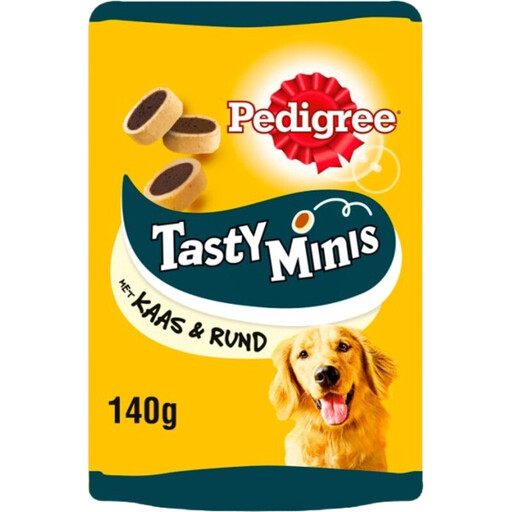
Why it suits this profile: The small, soft pieces are practical for quick rewards during walks and simple training sessions with an adult dog.
The packaging specifies portions by weight category and says the product should be used within 14 days of opening. This makes it easier to keep track of the quantity and freshness.
Soft texture, cheese flavour and clear daily guidelines for small to large adult dogs.
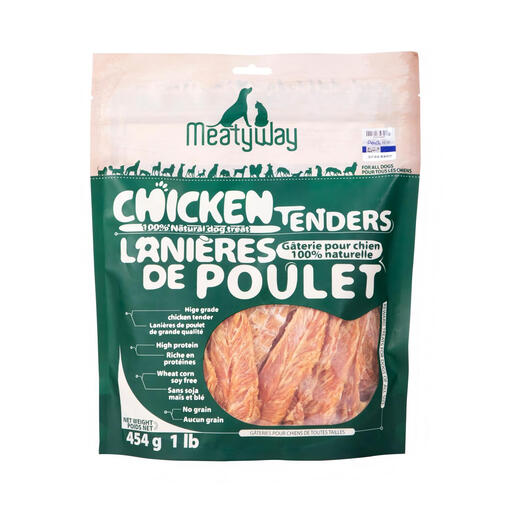
Why it suits this profile: The 454-gram bag is suitable for dog owners who train regularly and want a larger supply of soft jerky treats.
The listing identifies chicken as an ingredient, states that the product is grain-free and provides specific analytical values. Claims about natural ingredients come from the brand’s product information.
At least 30% crude protein, an easy-to-break texture and resealable packaging according to the product description.
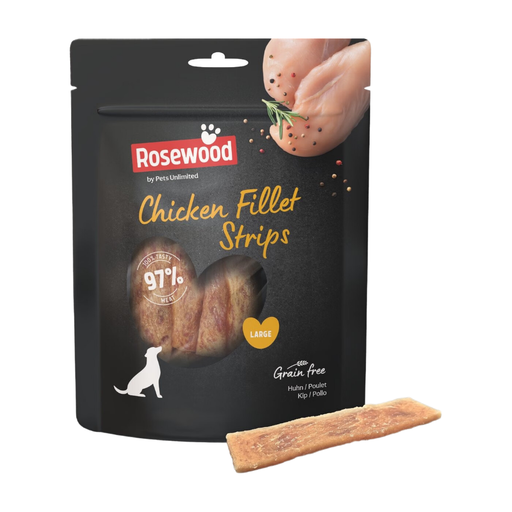
Why it suits this profile: These sticks are aimed at dogs that want to chew for longer as well as enjoy a reward. They are particularly suitable for medium-sized and larger dogs, depending on the dog’s size and chewing habits.
The product information describes natural rawhide with dried chicken and recommends supervision while your dog eats. Check for yourself that the dimensions are suitable for your dog.
Chicken wrapped around a chew base, a 170-gram pack and no added grains, artificial colourings, flavourings or preservatives according to the listing.
We have put together a complete, up-to-date list of products that fully meet these strict selection criteria and the applicable European safety regulations.
Small, soft dog treats or treats that are easy to break are generally practical choices. This allows you to reward your dog frequently without giving a large piece each time. Do keep an eye on the total daily amount and, preferably, choose a product with a clear ingredients list.
This varies by product. Some packaging states that the treats should be used within 14 days of opening, while other treats last longer when stored properly in a sealed pack. Always check the best-before date and the instructions on the label.
No. Grain-free simply means that, according to the product information, no grains have been added. It does not automatically tell you anything about the calorie content, fat level or your dog’s individual tolerance. Compare the ingredients, analytical values and recommended portion before making a purchase.
