
Vandaag of morgen in huis

Kwaliteit gegarandeerd

Welkomstaanbiedingen ontgrendelen: GRATIS bezorging | Tot 80% korting | Gratis 30 dagen JoyPlus-proefperiode
Download de app
Buying a bag of dog treats might seem straightforward. However, there are clear differences in size, ingredients, hardness, calories and intended use. A training treat has different requirements to a dog chew or a dental dog snack. If you only look at the flavour on the packaging, you could end up choosing a product that is too big, too hard or impractical.
Sizes aren’t always labelled in the same way. So always check the recommended weight, age and feeding instructions. A small dog may struggle with a thick chew, while a large dog can wolf down a soft dog treat without much chewing enjoyment.
Also pay attention to the minimum age. Some chew products aren’t suitable for puppies or dogs under a certain weight.
A product with beef, chicken or bacon flavour may consist mainly of grains, plant-based ingredients and animal by-products. So look at the ingredients and the stated percentage of meat or animal ingredients. For example, the Vitakraft Beef Original Lamb Stick states 92.5% meat and animal by-products. With other treats, a flavour mention may refer mainly to aroma or a limited ingredient percentage.
Brand claims about taste or appeal are not an independent guarantee. So treat them as product information from the brand and compare them with the label.
Most dog treats are complementary pet food. They are intended as a reward or occasional snack, not as a replacement for a complete meal. The general feeding guideline across many products is that treats should make up no more than around 10% of daily calorie intake. Adjust the main meal if you reward regularly.
Dental treats and dog dental sticks can be a practical addition to your daily routine. According to Pedigree’s product information, daily use may help reduce plaque or tartar. That is a claim from the brand; it doesn’t replace a check-up or treatment from a vet.
Choose treats for small dogs, treats for medium dogs or treats for large dogs based on your dog’s weight, not just the breed name. Also check the shape:
Give a treat that suits your dog’s chewing behaviour. A dog that swallows large chunks needs extra-small portions and supervision.
Compare at least:
A treat with relatively low fat isn’t automatically suitable for every dog. The portion size also determines how many calories your dog consumes. If your dog has allergies or is on a vet-prescribed diet, check the full ingredients list.
Many soft meat treats for dogs have a short shelf life after opening. Product information for several Pedigree treats states a usage period of 14 days after opening. Dental sticks and other dry treats should generally be stored in a cool, dry place with the packaging tightly sealed.
Always check the date, batch information and full feeding instructions on the packaging. The information on a product page may change; the label on the product you receive is the definitive guide.
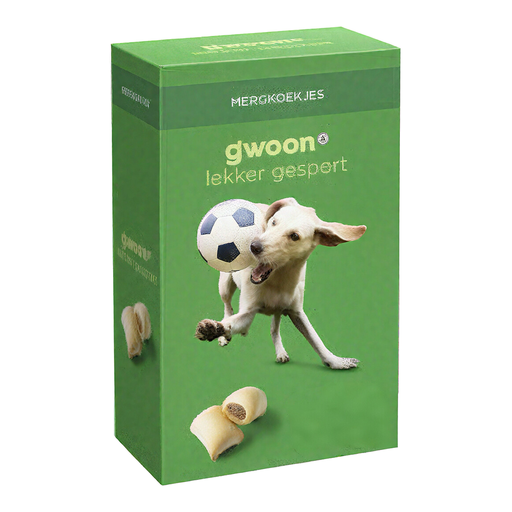
Why this fits the profile: A generous pack of classic crunchy biscuits with a soft marrow filling is practical for occasional rewards and multi-dog households.
The product description states suitability for dogs of all breeds and sizes. However, do check the portion size, gluten information and ingredients yourself.
500 grams, crunchy outer layer, soft marrow filling and, according to the product information, no artificial colours or flavourings.
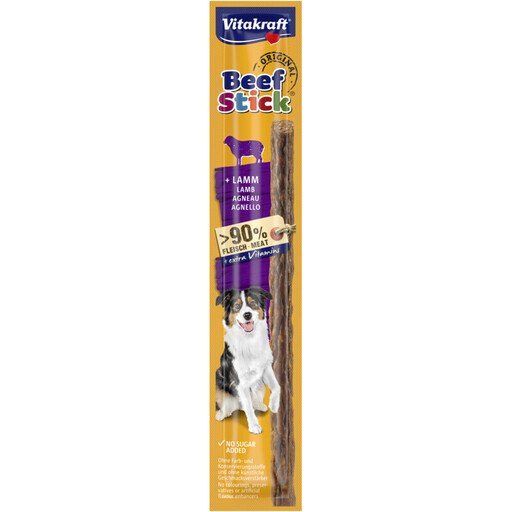
Why this fits the profile: This meat treat is ideal for owners looking for a snack with a clearly stated meat percentage and easy portioning.
The label states 92.5% meat and animal by-products. It also indicates that the stick can be easily broken into pieces.
18 grams per stick, easy to divide and, according to the product information, no added sugar, preservatives or artificial flavour enhancers.
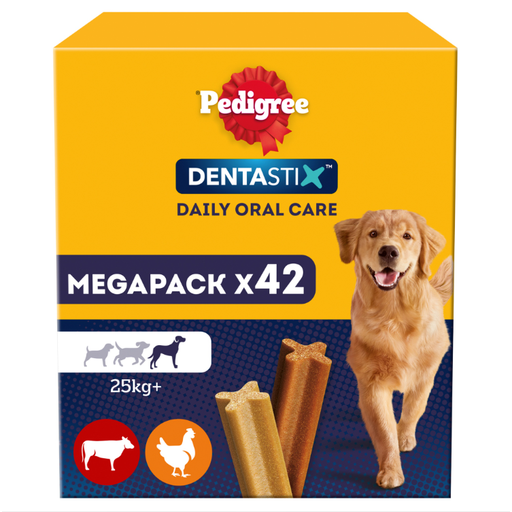
Why this fits the profile: For owners who want to build a daily dental routine and need a multipack for a large dog.
The packaging is designed for large dogs weighing 25 kg and over. This makes the size much clearer than with general chews.
42 sticks, daily use instructions and, according to Pedigree, an X-shape and texture that can help with daily dental care.
We’ve put together a full, up-to-date list of products that fully meet these strict selection criteria and comply with current European safety regulations.
That depends on weight, age, activity level and the energy value of the treat. Follow the feeding guidelines on the packaging and generally keep treats to under about 10% of daily calorie intake. Give smaller pieces during training and reduce the main meal if needed.
Choose small, soft dog treats that you can give quickly and break easily. Pedigree Cheesy Bites and soft meat treats are examples of products that, according to their product information, can be used as rewards. Always check the daily maximum amount, especially if you practise frequently.
No. Dental treats for dogs can be a supplement to your dental care routine. According to Pedigree’s own product claims, certain Dentastix products may help reduce tartar with daily use. The effectiveness depends on factors including chewing behaviour and usage. If your dog has problems with its teeth or gums, seek advice from a vet.
