
Vandaag of morgen in huis

Kwaliteit gegarandeerd

Welkomstaanbiedingen ontgrendelen: GRATIS bezorging | Tot 80% korting | Gratis 30 dagen JoyPlus-proefperiode
Download de app
A bag of dog treats might seem like a quick choice, but the differences between dog snacks, chews and dental sticks are significant. A soft treat is handy during training, while a chew demands more time. Your dog’s size, the ingredients and the recommended amount also come into play.
What’s more, the packaging doesn’t always tell the full story. So, look out for these common pitfalls before you order.
A dental stick or dog tooth stick can be intended as part of your dog’s daily oral care routine, but it doesn’t replace a professional dental check-up. Claims about plaque, tartar or gums come from the brand itself. For example, Pedigree states in its own research that Dentastix, when used daily, can help reduce tartar build-up by up to 80%. See this as a product claim, not a guarantee for every dog.
Treats with chicken, beef or cheese might appeal to your dog, but you should also check the ingredients list. A product with a beef flavour doesn’t automatically contain a high percentage of beef. The ingredients are listed in descending order by weight. For instance, Pedigree Ranchos Beef states that the product contains a total of 95% meat and animal derivatives, of which 4% is beef.
Does your dog have a food allergy? Always check the full packaging. The fact that a product states it contains none of the 14 major EU allergens doesn’t rule out that your dog could react to another ingredient.
A small dog can struggle with a large chew. Conversely, a large dog might swallow a mini stick too quickly. So, look at the recommended weight and age. Examples include dental sticks for small dogs weighing 5–10 kg, varieties for medium dogs of 10–25 kg, and products for large dogs from 25 kg upwards.
Always stay nearby when your dog is chewing. Stop giving the treat if it breaks off into sharp pieces, becomes too small, or if your dog has difficulty chewing or swallowing.
First, decide on the purpose:
A training treat needs to be small enough to give several times during a walk. A dental stick is usually given according to a fixed feeding guide, often a maximum of one per day.
Check beyond the flavour:
Treats are complementary food. Follow the general guideline that treats should provide no more than 10% of your dog’s daily calorie intake. Reduce the main meal if necessary. Always ensure fresh drinking water is available.
A large pack isn’t automatically better value if the treat loses quality quickly after opening. Check the shelf life and the instructions on the label. Many opened bags of Pedigree must be used within 14 days. Store dog treats in a cool, dry place and seal any resealable packaging properly.
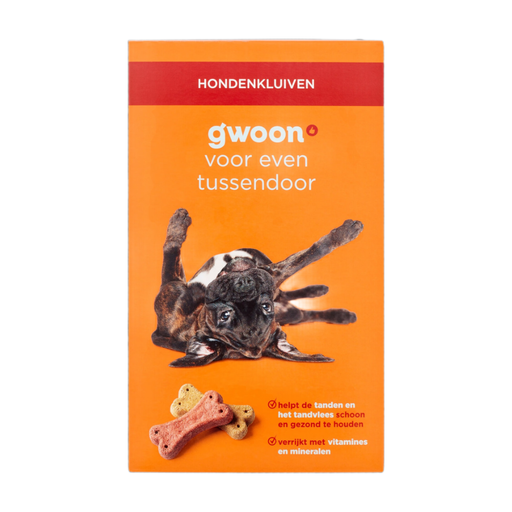
Why this fits the profile: The 500 g box is practical for dog owners who want to give a chew regularly and keep an eye on portion size. The product information states it is suitable for dogs of all breeds.
The ingredients and feeding instructions are clearly stated. According to the product description, the treat contains no artificial colourings or flavourings.
500 g content, chicken variety and suitable as a chew treat between meals. Always supervise during chewing.
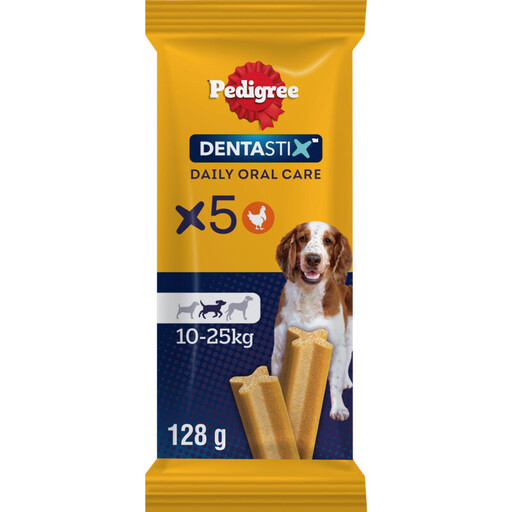
Why this fits the profile: These Pedigree Dentastix are tailored for medium-sized dogs and intended as a daily dental stick for dogs from 4 months old.
The size is specifically linked to medium-sized dogs. The product information mentions no added sugars and states a fat content of 1.3%.
One stick per day according to the product information, with an X-shape and sodium tripolyphosphate in the ingredients.

Why this fits the profile: The multipack contains 56 sticks for medium-sized dogs of 10–25 kg. That suits households that use a daily dental stick.
The number of sticks and the suitable weight range are clear upfront. This means you’re less likely to accidentally order the wrong small or large variety.
Large supply, no added sugar according to the product information, and intended for daily use.
We’ve put together a full, up-to-date list of products that fully meet these strict selection criteria and comply with current European safety regulations.
For a training session, small, soft treats like Pedigree Cheesy Bites or soft Schmackos strips are practical. You can break them into smaller pieces and adjust the amount to suit your dog’s size.
For longer chewing, the Rosewood Dog Trio Sticks Small are an option for smaller dogs. According to the product description, these sticks combine a beef hide with dried chicken and contain no added grains. Only give them under supervision and check that your dog is chewing safely.
For a beef variety, you could look at g'woon Beef Strips, which according to the product information contain 18% beef, or Pedigree Dog Jerky Treats Beef Flavor, whose ingredients list 4% beef within the total proportion of meat and animal derivatives. These products are not the same, so look beyond the flavour name.
As a general guideline, treats should provide no more than 10% of your dog’s daily calorie intake. The right amount depends on weight, age, exercise and the type of treat. Always follow the feeding guide on the packaging and adjust the main meal if necessary.
No. Check the recommended weight and minimum age. Some varieties are intended for small dogs, others for medium or large dogs. A dog with swallowing problems, damaged teeth or a specific diet may need different advice. If in doubt, ask your vet for advice.
Store treats in a cool, dry place, seal the packaging well and use the product within the time stated on the label. For several Pedigree products, this is 14 days after opening. Throw away treats if they become damp, mouldy or have an unusual smell.
