
Vandaag of morgen in huis

Kwaliteit gegarandeerd

Welkomstaanbiedingen ontgrendelen: GRATIS bezorging | Tot 80% korting | Gratis 30 dagen JoyPlus-proefperiode
Download de app
Buying a bag of dog treats might seem straightforward, but the difference between a handy reward and a poor purchase often comes down to small details. A treat can be too big for your dog, dry out quickly, or be less suitable for daily use than the packaging suggests.
Pay particular attention to three common pitfalls:
First, consider your dog's weight, age and chewing behaviour. For dog treats for small dogs, smaller, softer or easily breakable varieties are often more practical. For medium and large dogs, firmer chews or larger dental sticks may be more suitable.
Always check the age and weight guidance on the packaging. Some products are not intended for puppies or dogs under a certain weight. Also, only give a chew under supervision and make sure fresh drinking water is available.
Dog treats and meat snacks for dogs are usually complementary food. They do not replace a complete meal. A practical guideline from the product information of several mentioned treats is that treats should make up no more than 10% of daily calorie intake. Adjust the main meal if you reward regularly.
Where possible, compare:
For example, you can see that the Vitakraft stick, according to the product information, contains 92.5% meat and animal by-products, while other treats consist mainly of grains and vegetable by-products. Neither is automatically suitable for every dog: the choice depends on the intended use and nutritional needs.
Soft dog treats are handy during a walk or training session because you can easily break them into small pieces. However, check how long the packaging remains usable after opening. Several Pedigree products state 14 days; other products need to be stored in a resealable, dry place.
For daily rewards, small treats are practical. For longer chewing enjoyment, consider dog twisters, dental sticks for dogs or firm chews. A treat marketed for dental care should still be seen as a supplement. According to brands' own research or product claims, some treats can help clean hard-to-reach teeth or reduce tartar, but this is not a guarantee for every animal.
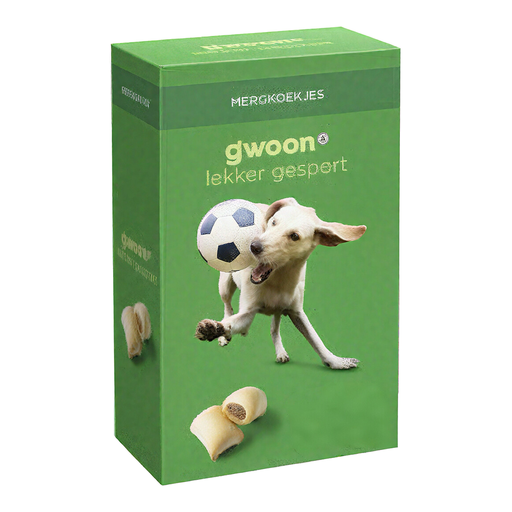
Why this fits the profile: The combination of a crunchy biscuit layer and soft marrow filling makes this treat useful as a reward or training snack for dogs of different sizes.
The packaging clearly states the 500 gram content, the ingredients and the gluten-containing grain. This helps with portion control and checking for allergies.
500 gram pack, no artificial colours or flavourings according to the product information, and easy to use as a reward.
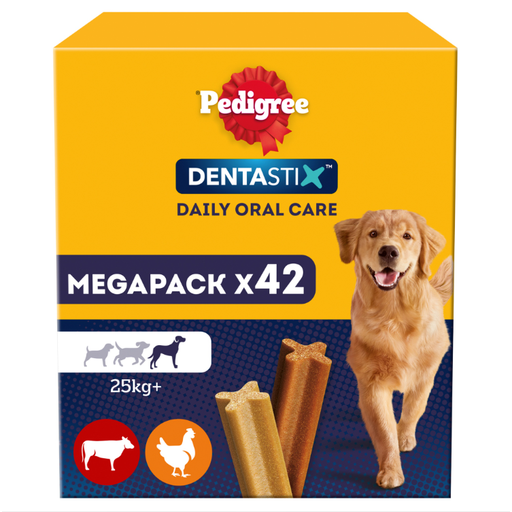
Why this fits the profile: A large multipack suits households with a big dog of 25 kg or more that has a regular daily chewing routine.
The variant is specifically labelled for large dogs. According to Pedigree's own research, daily use can help reduce tartar formation by up to 80%; this remains a brand claim and not a guarantee.
42 sticks for dogs from 25 kg, with no added sugar and no artificial colours or flavourings according to the product information.
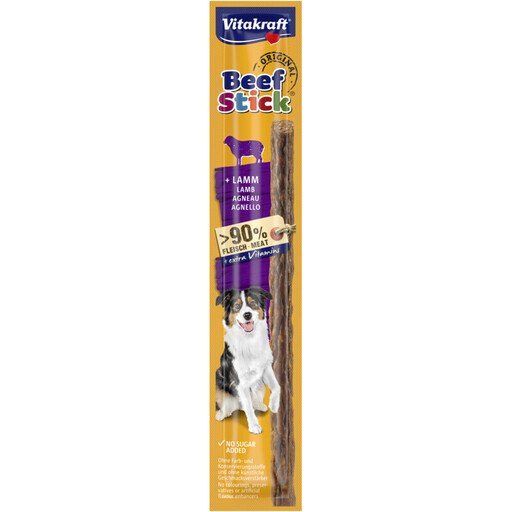
Why this fits the profile: The stick is easy to break into pieces and therefore suitable for walks, short training sessions and dogs that need small portions.
The feeding guideline is broken down for dogs from 2 to 25 kg. This allows you to tailor the amount more precisely than with a treat that has no portion advice.
92.5% meat and animal by-products according to the product information, 18 grams per stick and easy to break.
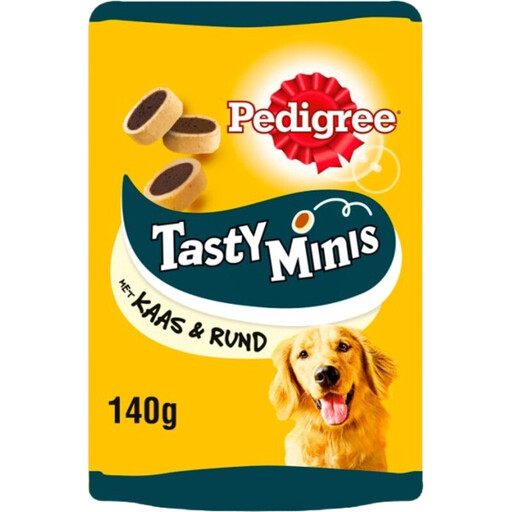
Why this fits the profile: These small, soft dog treats are designed as rewards during walks and training. The recommended amount varies by body weight.
The portion guidelines range from very small dogs to dogs of 25 kg and over. This makes it easier to account for training rewards.
Soft texture, cheese flavour and resealable packaging according to the product information.
We've put together a full, up-to-date list of products that fully meet these strict selection criteria and comply with current European safety regulations.
Stick to the guideline of a maximum of 10% of daily calorie intake, unless the packaging gives a specific lower recommendation. Also consider your dog's weight, age and activity level. Subtract the calories from treats from the main meal to avoid overfeeding.
Some products are designed for daily use, such as certain Pedigree Dentastix varieties. According to Pedigree's own research, these sticks can help reduce tartar when used daily. Always check the correct size for your dog and supervise while chewing. Dental sticks do not replace a full dental check-up or care routine.
For training, soft dog treats, small dog treats or easily breakable meat snacks for dogs are practical. You can keep the reward small and give them quickly one after another. Choose a product with clear portion advice and check the ingredients if your dog is sensitive to certain grains, meat sources or other components.
