
Vandaag of morgen in huis

Kwaliteit gegarandeerd

Welkomstaanbiedingen ontgrendelen: GRATIS bezorging | Tot 80% korting | Gratis 30 dagen JoyPlus-proefperiode
Download de app
Buying a bag of dog treats might seem straightforward, but the difference between a suitable reward and a wasted purchase often comes down to small details. A treat can be too big for a small dog, too soft for a dog that loves to chew, or contain more calories than you expect. Marketing claims about dental care also deserve a critical eye.
This guide helps you compare dog treats by size, texture, ingredients and when to use them. That way, you can make a more informed choice for training, a little something between meals, or chews for dogs.
A product may be described as suitable for all breeds and sizes, yet one large biscuit can be impractical for a small dog. Always check:
For dog treats for small dogs, small, soft pieces are often more convenient. Dog biscuits and chews for large dogs, on the other hand, shouldn’t be so small that your dog swallows them without chewing.
“With chicken”, “beef flavour” or “with meat” can mean different things. Look at the ingredients list and the percentage of the named animal ingredient. Also pay attention to grains, sugars, fats and plant-based by-products. A dog treat is usually a supplementary food, not a replacement for a complete meal.
Dental sticks for dogs can be designed, through their shape and texture, to encourage chewing behaviour. Brands may also make claims about plaque or tartar. According to its own research or product information, Pedigree claims that Dentastix can reduce tartar build-up by up to 80% with daily use. That is a brand claim, not a general guarantee for every dog. Supervise your dog while it chews and consult a vet if dental problems persist.
Choose a treat that suits your dog’s weight and chewing strength. A soft dog treat is suitable for breaking into small pieces during training. A hard chew can keep your dog occupied for longer, but should always be given under supervision.
For small dogs, for example, the g'woon Dental Sticks Mini are designed. The g'woon Dental Sticks Medium are, according to the product information, aimed at medium-sized dogs. For a large dog, a version like Pedigree Dog Dental Chews Large Dogs makes more sense than a mini variant.
Check at least:
The INABA Bites Dog Multipack, for example, contains 82% moisture, 14% crude protein and 3% crude fat. This makes the treat soft and small in size, but once opened, the packaging must be used within three days according to the product information.
Treats should generally provide no more than 10% of your dog’s daily calorie intake. Reduce the main meal if necessary. Don’t just look at the number of pieces: a large chew bone can contain significantly more calories per piece than a small training treat.
Always provide fresh drinking water and take your dog’s age, activity level, weight and body condition into account.
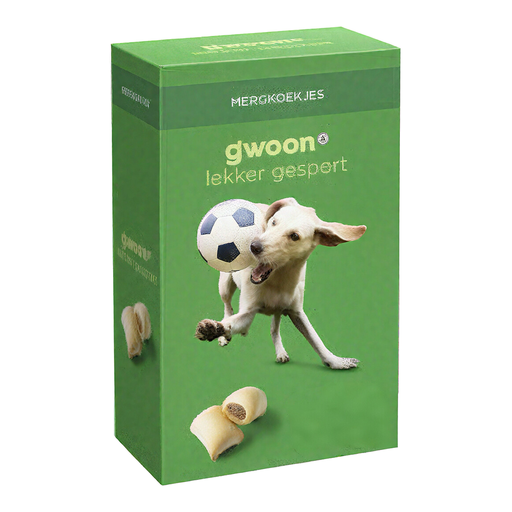
Why this fits the profile: The 500g pack offers a practical supply of classic dog biscuits for rewards and everyday use. The crunchy outside has a soft marrow filling.
The ingredients and allergen information are listed: the biscuits contain grains with gluten. This means you can check in advance whether it suits your dog.
500g, suitable for dogs of all breeds and sizes according to the product description, with no artificial colours or flavourings.

Why this fits the profile: The small portions and four chicken varieties are handy for dogs that enjoy variety during training.
The bite-sized format means you don’t have to break up large pieces. Do check the short usage period after opening.
16 portions, 64g net weight, 82% moisture and, according to the product information, no artificial colours or preservatives.
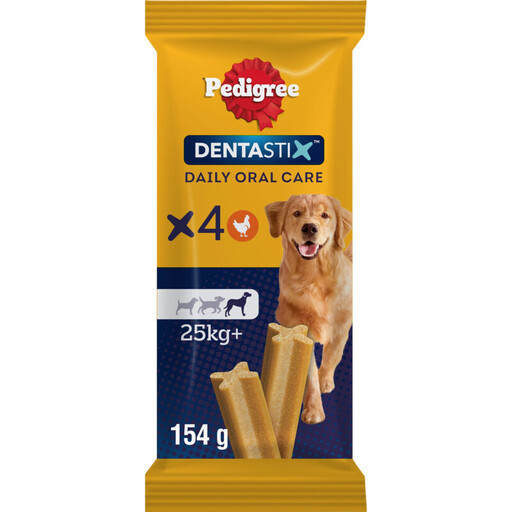
Why this fits the profile: This chew is designed for large dogs and, according to the label, is suitable for daily use as a supplementary treat.
The variant is specifically labelled for large dogs. This reduces the chance of choosing a dental stick that is too small.
154g, one stick per day according to the product information and 308 kcal per 100g. Give under supervision and adjust the main meal accordingly.
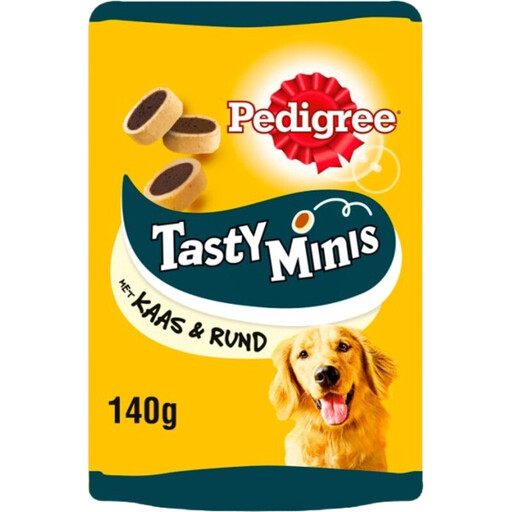
Why this fits the profile: The small, soft pieces are, according to the product description, intended as a reward during walks or training sessions.
The portion can be adjusted to suit your dog’s size. This helps you avoid accidentally giving too much during a training session.
140g, soft bite and feeding advice per weight category. The packaging can be resealed with the closure strip after opening.
We’ve put together a full, up-to-date list of products that fully meet these strict selection criteria and comply with current European safety regulations.
As a general guideline, treats should provide no more than 10% of your dog’s daily calorie intake. The exact number depends on your dog’s weight, age, activity level and the type of treat. Always follow the feeding advice on the packaging and deduct the amount from the main meal.
Small, soft dog treats are usually practical because you can give them quickly and portion them easily. INABA Bites and Pedigree Cheesy Bites are examples of small rewards. For intensive training sessions, you can break larger treats into smaller pieces, as long as the ingredients and portion size are appropriate.
This varies by product. Some dry treats need to be used within 14 days, while INABA Bites must be consumed within three days of opening, according to the product information. Store treats according to the label, seal the packaging properly and refrigerate soft products where necessary.
