
Vandaag of morgen in huis

Kwaliteit gegarandeerd

Welkomstaanbiedingen ontgrendelen: GRATIS bezorging | Tot 80% korting | Gratis 30 dagen JoyPlus-proefperiode
Download de app
A bag of dog treats might seem like a quick choice, but the differences are significant. Whether you're looking for a soft reward for training, chew treats for dogs that last longer, or a low-fat snack, attractive claims on the packaging can easily lead you astray.
Three common pitfalls to watch out for:
First, decide what you need the treat for:
An additional treat is not a complete meal. Keep the main diet balanced and adjust it if necessary when you give lots of treats daily.
For treats for small dogs, a smaller stick or a soft bite is often more practical. A product like a mini dental stick is designed for small dogs, while some dental chews are specifically intended for medium or large dogs.
Look out for these points:
Always give a chew treat while you are present. Stop giving it if the product splinters, becomes unusually hard or breaks into small pieces.
A low fat percentage can be relevant for dogs that need fewer calories. Low-calorie dog treats are not automatically suitable for every dog though: the size and total amount also matter.
Compare the following:
The guideline on the packaging is the most important. Several product descriptions state that treats should make up no more than about 10% of daily calorie intake.
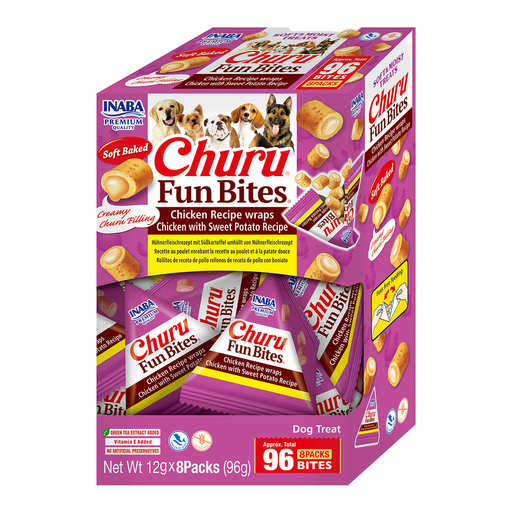
Why this fits the profile: The soft texture and portion packaging make this treat practical for rewarding between meals or during short training sessions.
The product information states 82% moisture and 2.2% crude fat. This allows you to compare the nutritional profile more concretely than with treats that only have a flavour claim.
40 g per pack, chicken with sweet potato, and once opened keep refrigerated and use within 24 hours.
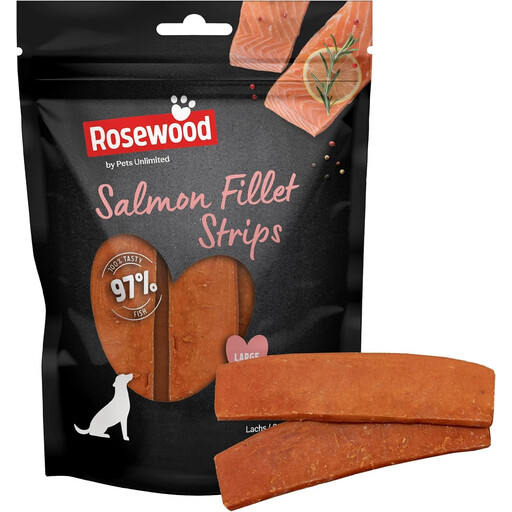
Why this fits the profile: Handy for owners looking for a treat with a clearly stated fish ingredient and a soft texture.
The description states 97% salmon and mentions no added grains, gluten, artificial colours, flavours or preservatives. Always check the current label if your dog has allergies.
150 g, soft salmon strips and, according to the product description, a low fat content.
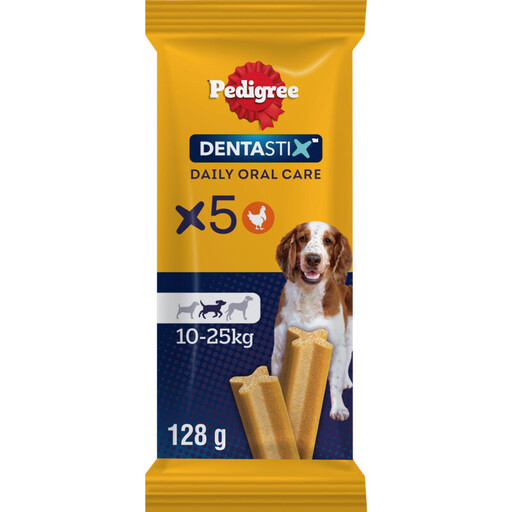
Why this fits the profile: Designed for daily use with medium-sized dogs from the stated minimum age, with one chew per day according to the product information.
The size is specifically labelled for medium-sized dogs. The claim of up to 80% less tartar comes from Pedigree's product information; do not regard this as a medical guarantee.
1.3% fat according to the analysis, no added sugar and a recommended daily amount of one chew.
We've put together a full, up-to-date list of products that fully meet these strict selection criteria and comply with current European safety regulations.
For small dogs, mini sticks, soft pieces and breakable treats are often easier to portion. For medium dogs, look at dental chews with an explicit weight category. Large dogs generally need a larger size, but supervision is still essential.
Want to compare chicken dog treats, beef dog treats or salmon treats for dogs? Don't just look at the flavour on the front. With a treat like a Vitakraft Beef Original Lamb Stick, for example, a high meat content is stated, whereas with other products the meat percentage is lower or not fully specified. The ingredients list determines what you're actually buying.
Don't give human snacks like Bifi or seasoned meat sticks to your dog. These can contain a lot of salt, fat, spices or preservatives and are not formulated as dog food.
As a practical guideline, treats should provide no more than about 10% of daily calorie intake. The right amount depends on weight, age, activity level and body condition. Reduce the main meal if necessary and follow the feeding guide on the packaging.
Dental sticks can help with mechanical cleaning during chewing thanks to their shape and texture. According to brands' own research or product information, percentages are sometimes mentioned for a possible reduction in tartar. This claim does not automatically apply to every dog. Dental sticks do not replace brushing or a check-up for persistent dental problems.
This varies by product. Dry treats should usually be stored in a cool, dry place and sealed properly. Soft treats may need to be refrigerated after opening and sometimes used within 24 hours. Always check the best-before date and storage advice on the packaging.
