
Vandaag of morgen in huis

Kwaliteit gegarandeerd

Welkomstaanbiedingen ontgrendelen: GRATIS bezorging | Tot 80% korting | Gratis 30 dagen JoyPlus-proefperiode
Download de app
Buying a bag of dog treats might seem straightforward, until you have to choose between soft dog treats, chews for dogs, training treats for dogs and dental treats for dogs. A packet labelled “natural”, “high in meat” or “for healthy teeth” doesn’t always tell you enough about the ingredients, portion size or suitability for your dog’s size.
With this guide, you can compare dog treats on verifiable points. That way, you can avoid buying a treat that’s too big, dries out quickly, or doesn’t fit into your dog’s daily feeding routine.
“Chicken dog treats” can have very different recipes. Sometimes chicken is listed first in the ingredients, while other treats rely mostly on grains, plant-based by-products or flavourings. Always check the full ingredients list and look out for potential allergens.
A flavour mention doesn’t automatically mean a high chicken content either. For example, the Pedigree Jumbone states that the product is flavoured with beef and poultry; the declared amounts are limited. That’s quite different from a treat that consists mainly of chicken.
Brands may claim specific benefits when they have evidence to back them up, but a product claim is no guarantee for every dog. According to Pedigree’s own research, Dentastix can help reduce plaque or tartar build-up when used daily. Treat this as product information, not as a replacement for brushing your dog’s teeth or veterinary advice.
Ordinary chews are not automatically dental treats for dogs either. The shape, hardness and size all influence how a dog interacts with them.
A small treat might seem insignificant, but several rewards a day can add up. As a general guideline, many product labels indicate that treats should make up no more than 10% of your dog’s daily calorie intake. If necessary, reduce the main meal and always follow the feeding instructions on the packet.
Choose treats for small dogs, treats for medium dogs or treats for large dogs based on your dog’s weight and chewing behaviour, not just the breed name. A chew that’s too big can be difficult to hold. A treat that’s too small can be swallowed more easily.
When it comes to chews, pay attention to:
According to the product information, the Pedigree Dental Chews Small Dogs are intended for dogs weighing 5 to 10 kg. The medium Dentastix multipack is designed for dogs of 10 to 25 kg. These sizes are not interchangeable.
For training, small, easy-to-portion treats are often more practical than a large chew stick. Soft dog treats can also be broken into smaller pieces. However, a soft treat is not intended as a long-lasting chew.
According to the product description, the INABA Chicken Wraps combine chicken and sweet potato with a soft texture and 82% moisture. The 40g portion pack can be handy for hand-feeding rewards or use between meals. Once opened, the label states the product must be kept refrigerated and used within 24 hours.
Don’t just compare the gram weight; also consider how the treat needs to be stored. Moist treats often have a shorter shelf life once opened. Dry biscuits and sticks can be more practical for longer, but they must be kept sealed and dry.
Also check:
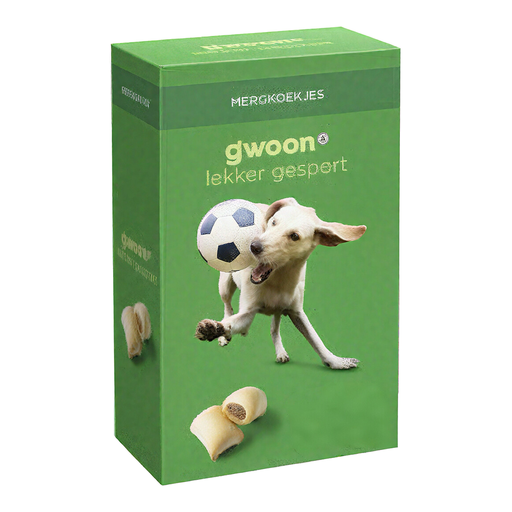
Why this fits the profile: A 500g bag is suitable for owners who want to give a biscuit as a reward or snack on a regular basis to a dog of various breeds and sizes.
The ingredients and allergen advice are listed. The product contains grains with gluten, making it less suitable if your dog has a known sensitivity to them.
500g content; crunchy outside with a soft marrow filling; according to the product information, made without artificial colours or flavours.
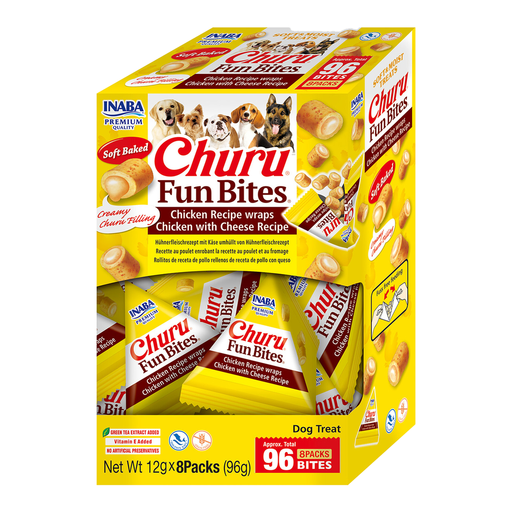
Why this fits the profile: The individual portions suit owners who value freshness, control over rewards and a soft texture.
The 12g portions prevent a large bag from being left open for a long time. The packaging also states that treats are not a complete meal replacement.
8 portions of 12g; 69% moisture according to the product information; soft chicken wrap with a creamy filling and 15.6 kcal per pack.

Why this fits the profile: Aimed at owners looking for a daily chewing routine for a dog weighing 5 to 10 kg.
The target group and daily amount are clearly stated. According to Pedigree’s own research, the X-shape can help reduce tartar build-up when used daily; supervision is still required.
Designed for small dogs of 5–10 kg; less than 2% fat according to the product information; use within 14 days of opening.
We’ve put together a full, up-to-date list of products that fully meet these strict selection criteria and comply with current European safety regulations.
That depends on your dog’s weight, age, activity level and the type of treat. Use the feeding guideline on the packet and generally keep treats within 10% of your dog’s daily calorie intake. If you’re unsure about your dog’s weight or diet, you can ask your vet for advice.
No. Dental treats are complementary food. According to some brands’ own research, the shape and texture can help reduce tartar or clean hard-to-reach teeth, but this is not a substitute for dental care or professional check-ups.
Unopened products should usually be stored in a cool, dry place, as per the label. Once opened, moist treats often need to be kept sealed in the fridge and used within 24 hours. Always check the packaging, as storage times vary by product.
