
Vandaag of morgen in huis

Kwaliteit gegarandeerd

Welkomstaanbiedingen ontgrendelen: GRATIS bezorging | Tot 80% korting | Gratis 30 dagen JoyPlus-proefperiode
Download de app
Buying a bag of dog treats seems simple enough – until you have to choose between soft dog treats, dog chews, dental sticks and dog biscuits with different ingredients. An attractive packet doesn't always tell the full story, either. The right choice depends on your dog's size, when you'll use the treat and what's in it.
Words like "dental", "natural" or "supports immunity" sound convincing, but they don't automatically mean a treat is suitable for every dog. Always check the full ingredients list, analytical constituents and feeding guidelines.
Claims about effectiveness should also be read in the right context. According to Pedigree's product information, daily use of certain DentaStix can reduce tartar build-up by up to 80%. That's a manufacturer's claim and not a substitute for brushing, check-ups or veterinary advice.
A large chew isn't automatically suitable for a small dog. Pay attention to the recommended weight range, the hardness and whether the treat can be bitten off safely. Treats for small dogs have different practical requirements than treats for medium-sized dogs.
Always supervise your dog when giving a chew. If your dog gulps food, has allergies, dental problems or you're unsure about suitability, it's wise to consult a vet.
Dog treats are complementary food. They don't replace a complete meal and count towards daily energy intake. A useful guideline on many product packets is that treats should provide no more than 10% of daily calorie intake. Adjust the main meal when you're giving lots of rewards during training.
Don't just look at the flavour name – check the first ingredients too. In some chicken dog treats, chicken or chicken broth comes first; other treats contain mostly cereals, vegetable by-products or oils and fats.
Check at least:
A product with a high moisture content isn't automatically a complete or "healthier" food. INABA Churu Dog, for example, states a moisture content of at least 90% and is intended as a complementary food.
For training, small, soft pieces are practical. They're quick to give and usually require less chewing time. For calm chewing in between, firmer dog chews are a better fit, as long as the size and hardness suit your dog.
Liquid treats can be given straight from the tube, used as a topping or mixed into regular food. Once opened, some products have limited shelf life in the fridge, so always check the label.
A feeding guideline for "all breeds" doesn't mean every dog needs the same amount. Look at:
For puppies, older dogs and dogs with medical conditions, a general product description isn't enough to make a choice.

Why this fits the profile: Four chicken varieties and small pieces make this multipack practical for variety and short training sessions.
The packet states a portion size of 16 pieces and a moisture content of 82%, so you can measure out the product precisely.
Four chicken varieties, small pieces and 14% crude protein according to the product information.
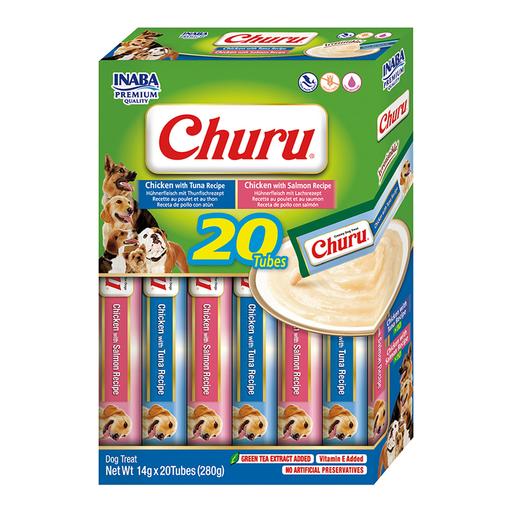
Why this fits the profile: Ideal for owners who want a soft, liquid reward for training, as a topping or for dogs that struggle with small pieces.
The product has a clear portion size of 20 tubes of 12g each. Once opened, a tube must be refrigerated and used within 24 hours according to the product information.
At least 90% moisture, two flavour varieties with chicken and seafood, and multiple ways to use it.

Why this fits the profile: These dog dental sticks are designed for small dogs weighing 5 to 10 kg and are intended for daily use from 4 months of age.
The weight indication stops you from choosing a variant for medium-sized dogs. According to the manufacturer, daily use can reduce tartar build-up by up to 80%.
Clear size for dogs weighing 5–10 kg, one stick per day according to the feeding guide and 1.3% fat.
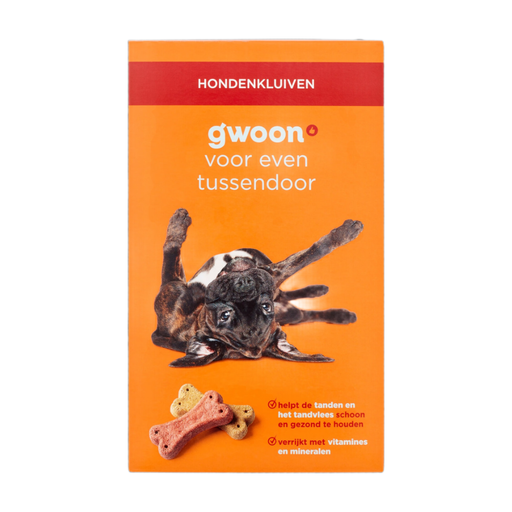
Why this fits the profile: A choice for dogs that enjoy longer chewing sessions and for owners looking for a larger packet for in-between times.
The product information mentions supervision during chewing and advises limiting treats to a maximum of 10% of daily calorie intake.
500g packet, chicken flavour and a firm chewing texture according to the product description.
We've put together a full, up-to-date list of products that fully meet these strict selection criteria and comply with current European safety regulations.
Follow the feeding guide on the packet and keep treats to preferably under 10% of daily calorie intake. If you're giving lots of small rewards during an intensive training session, reduce the main meal. The right amount varies depending on weight, age, activity and body condition.
Small, soft dog treats for training are usually practical because you can give them quickly. Multipacks with several flavours can be handy if your dog enjoys variety. Pay particular attention to the size of each piece, the total amount and the ingredients.
No. According to manufacturers' own product information, some dog dental sticks are intended as supplementary daily dental care. They don't replace full oral care or a check-up from a vet. Always choose the right variant for your dog's weight and supervise them while chewing.
