
Vandaag of morgen in huis

Kwaliteit gegarandeerd

Welkomstaanbiedingen ontgrendelen: GRATIS bezorging | Tot 80% korting | Gratis 30 dagen JoyPlus-proefperiode
Download de app
Buying a bag of dog treats seems straightforward – until you have to choose between soft dog treats, meat snacks for dogs, chews for dogs and dental treats for dogs. The packaging often promises a lot, but not every treat suits your dog’s size, age or eating habits.
As a Joybuy Product Recommendation Officer, I therefore focus on verifiable data: ingredients, size, moisture content, feeding advice, storage instructions and the intended use.
Some dental treats for dogs state they can help reduce plaque or tartar. According to Pedigree’s own research, Dentastix can reduce tartar formation by up to 80% when used daily. That is a brand claim under specific usage conditions, not a guarantee for every dog and not a substitute for dental check-ups or care.
Other chews for dogs also claim to support dental hygiene. So look at the shape, hardness, recommended dog size and feeding advice. A treat that is too small for a large dog or too hard for a small dog won’t be suitable for its intended use.
“Chicken”, “beef” or “cheese” on the front doesn’t automatically tell you how much of that ingredient is actually in the product. The ingredients list might show, for example, that a treat contains cereals, vegetable by-products and animal by-products. With the G'woon Beef Strips, for instance, 18% beef is stated. That is more concrete than just a flavour mention.
Do you have a dog with sensitivities? Always check the full ingredients list. The G'woon Marrow-Filled Dog Biscuits, for example, contain cereals with gluten, while other products, according to the product information, contain none of the 14 main EU allergens.
A multipack can be handy, but soft treats often need to be used quickly after opening. INABA Churu advises storing opened tubes in the fridge and using them within 24 hours. For other soft products, a longer period applies, for example a few days or two weeks. So consider the portion size, the number of dogs in your home and the storage time.
Treats should also be supplementary. As a general guideline, several product descriptions indicate that treats should make up no more than 10% of daily calorie intake. Adjust the main meal accordingly if needed.
Your dog’s weight is more important than just the breed. Pay attention to the product category:
The Pedigree Dental Chews Small Dogs are, according to the product information, intended for dogs weighing 5–10 kg. The medium Dentastix Multipack is intended for dogs weighing 10–25 kg. This kind of specification makes comparison more practical than a general label like “for all dogs”.
For training, small, quick-to-eat dog treats for training are usually more practical than a hard chew stick. Soft INABA Fun Bites can, according to the product information, be given as a reward during training. The INABA Bites Multipack contains small pieces and four chicken varieties, so you can alternate between several flavours.
For longer chewing, products like the Rosewood Trio Sticks or a Jumbone variant are more logical. Always check that your dog chews the treat calmly. Do not give a chew without supervision if your dog tries to bite off large chunks.
A high moisture content means a treat is softer, but often also that refrigerated storage is needed after opening. According to the product specification, INABA Churu contains at least 90% moisture; the INABA Chicken Wraps contain 82%. That explains the soft texture and the limited use after opening.
For dry treats, the following information is useful:
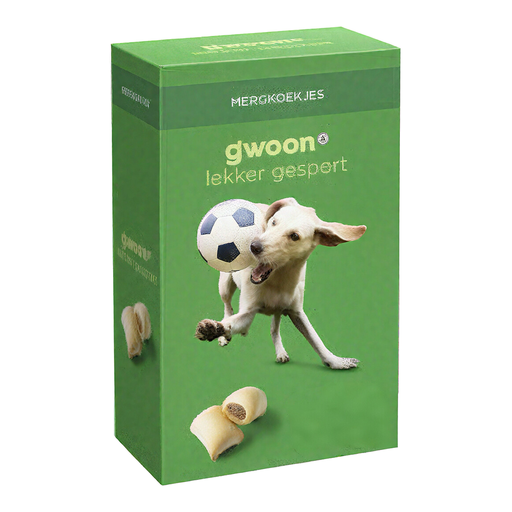
Why this suits the profile: A dry biscuit in a 500g pack is practical for daily rewarding, as long as you adjust the portions to your dog.
The ingredients and presence of gluten are stated, so you don’t have to rely solely on the flavour name.
500 g content; crunchy outside with soft filling; suitable for dogs of various breeds and sizes.

Why this suits the profile: Aimed at smaller dogs who find a firm treat with a dried chicken coating appealing.
The size is stated as small. The dental claims come from the product description and should not be seen as a substitute for dental care.
10 sticks per pack; combination of beef hide and dried chicken; according to the description, no added cereals and gluten.
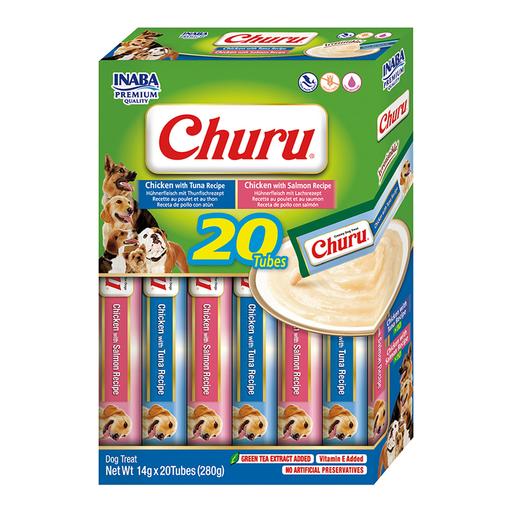
Why this suits the profile: Handy for lots of training sessions, as a topper or for dogs who prefer soft textures.
The high moisture content and storage rule after opening are clearly stated. This allows you to plan consumption and fridge storage in advance.
20 tubes; chicken and seafood varieties; at least 90% moisture; suitable as a treat, topper or training reward.

Why this suits the profile: Intended for medium dogs and fits a regular treat routine between meals.
The variant is specifically labelled as medium and states the ingredients, including 1% sodium hexametaphosphate.
For medium dogs; 180 g content; according to the product description, one stick per day as a guideline.
We have compiled a full, up-to-date list of products that fully meet these strict selection criteria and comply with current European safety regulations.
Use the feeding advice on the packaging and keep an eye on the total calorie intake. A commonly used guideline is that treats should provide a maximum of 10% of daily calories. If you give lots of small rewards during a training session, you may need to reduce the main meal accordingly.
Small, soft dog treats or snacks that are easy to break into pieces usually work well during training. According to the product information, INABA Bites and Cheesy Bites are intended as rewards. Pay particular attention to the number of calories per piece, the portion size and your dog’s reaction.
This varies by product. Dry treats should usually be stored in a cool, dry place and resealed. Soft treats often need to be refrigerated after opening and used within 24 hours to a few days. Always follow the date and instructions on the packaging. Supervise your dog while giving treats to help prevent choking.
