
Vandaag of morgen in huis

Kwaliteit gegarandeerd

Welkomstaanbiedingen ontgrendelen: GRATIS bezorging | Tot 80% korting | Gratis 30 dagen JoyPlus-proefperiode
Download de app
Dog treats are handy as rewards, during training, or as an extra chewing moment. However, a flashy packet doesn’t tell you much about whether it’s suitable for your dog. A small dog has different needs to a big chewer, while a soft treat works better for training than a hard chew.
In this guide from the Joybuy Product Recommendation Officer, you’ll find out what to look for in dog treats, dog snacks and chews for dogs. The recommendations are based on verifiable product information, such as ingredients, size, moisture content and pack size.
Some dental treats for dogs are described in the product description as being linked to reducing plaque or tartar. However, that effect depends on the shape, hardness, chewing duration and your dog’s individual chewing behaviour. So treat such a snack as a supplement, not a replacement for brushing or a vet check-up.
A treat with chicken, fish or fruit can still contain other ingredients, sugars, grains or preservatives. Always check the full ingredients list. A product with a single animal protein source, such as 100% duck breast, is clearer than a mix of several meat types if your dog is sensitive to certain ingredients.
A 500g box or multipack may seem attractively priced, but treats lose quality when the packaging is opened frequently. Pay attention to the best-before date, closure and storage instructions. With soft treats, you may need to refrigerate after opening and use within 24 hours.
Dog treats are usually complementary pet food and not a complete meal. The daily amount must fit within the overall diet. On several product packs, the guideline states that treats should make up no more than around 10% of daily calorie intake.
Look out for:
Grain-free dog treats are not automatically necessary for every dog. Choose them especially when the ingredients match your pet’s dietary needs.
For training, small or breakable treats are practical. Soft dog treats are quick to eat, so you can give multiple rewards without interrupting the exercise for long. Hard chew products are more suitable for a calm chewing moment, but you should always supervise.
Match the size to:
Store dog treats according to the label, usually in a cool, dry place. Seal opened packs well. For INABA Churu, the product information advises storing an opened pack in the fridge and using within 24 hours. Always provide fresh drinking water and supervise with chews.

Why This Fits Their Persona: The pack contains 10 small sticks, making it practical for households with a small dog that gets an occasional chew.
The small size makes it easier to adjust the portion. Do check whether your dog tolerates the dried chicken and beef hide well.
10 pieces; according to the product description, no added grains, gluten, artificial colourings, flavourings or preservatives.
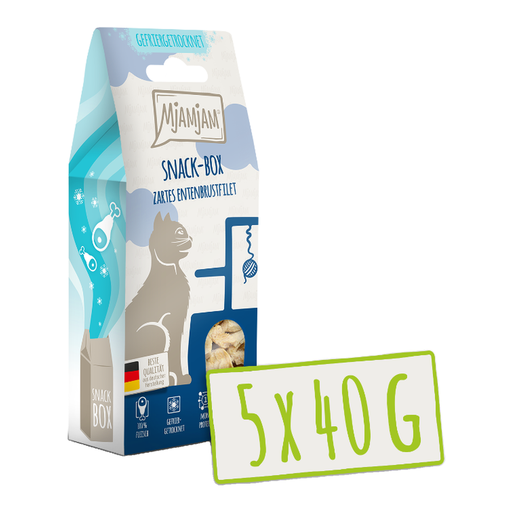
Why This Fits Their Persona: Suitable for owners who want a clear ingredients list and small portions to keep for walks or rewards.
The ingredients list states 100% duck breast fillet. This makes the protein source clearer than with mixed dog treats.
Grain-free, gluten-free and sugar-free according to the product information; 5 individual portions of 40g.
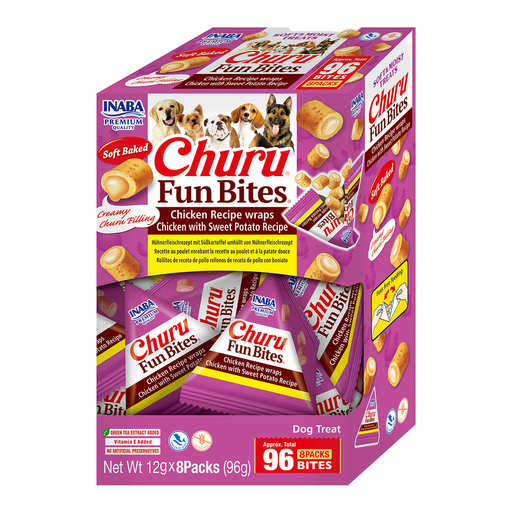
Why This Fits Their Persona: The soft texture and pocket-sized pack suit short training sessions, walks and dogs that find hard treats difficult.
It is clearly labelled as complementary food. This prevents a training treat from being accidentally used as a complete meal.
82% moisture; ingredients include chicken, chicken broth and sweet potato; recommended as a reward during training.
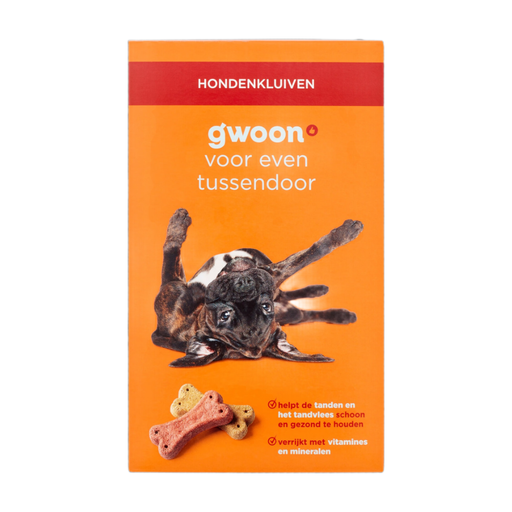
Why This Fits Their Persona: A 500g box is practical when you regularly give a chew or have multiple dogs at home.
The ingredients list includes grains and chicken. This makes the product less suitable if you are specifically looking for grain-free treats or a single protein source.
500g content; intended as a chew between meals; packaging can be resealed.
Browse a current selection of natural dog chews and compare ingredients, size and usage.
That depends on weight, age, exercise and the main diet. Use the feeding guideline on the pack and keep treats preferably under around 10% of daily calorie intake. Reduce the regular meal if necessary when giving multiple rewards.
Not necessarily. Grain-free treats can be useful if you want to avoid grains, but they are not automatically more suitable for every dog. Look at the full ingredients list and consult a vet if problems persist.
Always follow the label. For some INABA products, the product information states: store in the fridge and use within 24 hours. Dry treats should usually be stored in a cool, dry place and kept well sealed. Also check the best-before date on the packaging.
