
Vandaag of morgen in huis

Kwaliteit gegarandeerd

Welkomstaanbiedingen ontgrendelen: GRATIS bezorging | Tot 80% korting | Gratis 30 dagen JoyPlus-proefperiode
Download de app
A dog treat is easy to pick up, but not every chew suits every dog. A small chew bone may offer little challenge for a large dog, while a firm dental stick can be difficult for a small dog to chew. Terms like “natural action”, “healthy” or “cleans teeth” only mean something once you check the ingredients, size and usage instructions.
As a Joybuy Product Recommendation Officer, I filter product information by verifiable points. That way, you avoid paying mostly for marketing language.
“For all breeds” does not automatically mean the treat is practical for every dog. Pay attention to your dog’s weight and chewing strength. Products such as dental sticks for dogs are often categorised for small, medium or large dogs.
A treat for small dogs is usually adapted to a lower body weight. For medium and large dogs, treats for medium dogs or treats for large dogs make more sense, as long as the recommended weight range matches your dog.
A shape, texture or ingredient can contribute to mechanical cleaning during chewing, but a dog treat does not replace a dental check-up or a suitable dental routine. Claims about plaque or tartar are also brand claims. According to Pedigree’s own research, certain Dentastix products can reduce tartar formation by up to 80% with daily use. See this as product information from the brand, not as a general guarantee for every dog.
Dog treats with chicken, dog treats with beef and varieties with lamb or salmon can be appealing, but always check the full composition. A product with “chicken flavour” does not necessarily contain a high percentage of chicken. For allergies, the ingredients list is especially important. Also pay attention to grains, vegetable by-products, fats and the total calorie content.
Look at:
A chew should not be so small that your dog swallows it without chewing. Also check regularly for sharp or broken pieces. Always provide fresh drinking water and follow the instructions on the packaging.
Dog treats are usually complementary food. They should therefore not replace the main meal. Several product pages in this range advise limiting treats to a maximum of 10% of daily calorie intake. Adjust the main meal when you give extras every day.
Compare, among other things:
For example, the Vitakraft Beef Original Lamb Stick states 92.5% meat and animal by-products, including beef, pork and 6% lamb. The stick is also easy to break into pieces. This makes portion control easier for small dogs or during training.
Dental sticks and dog chews can, through their shape and structure, help rub off deposits during chewing. The effect varies per dog and depends on the chewing duration. Therefore, do not use a dental care claim as a substitute for a visit to the vet.
Check whether the packaging provides information about:
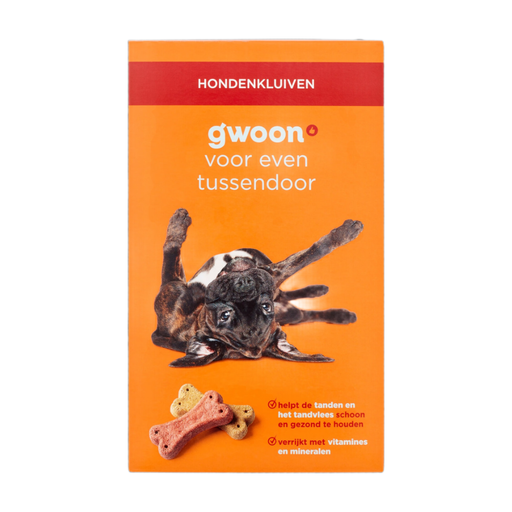
Why this fits the profile: A 500-gram pack is practical for dog owners who want to give a chew regularly and compare the price per gram.
The composition and feeding instructions are stated. The product information mentions no artificial colours or flavourings. Do supervise during chewing.
500 grams, chicken flavour and suitable according to the product information for dogs of various breeds.
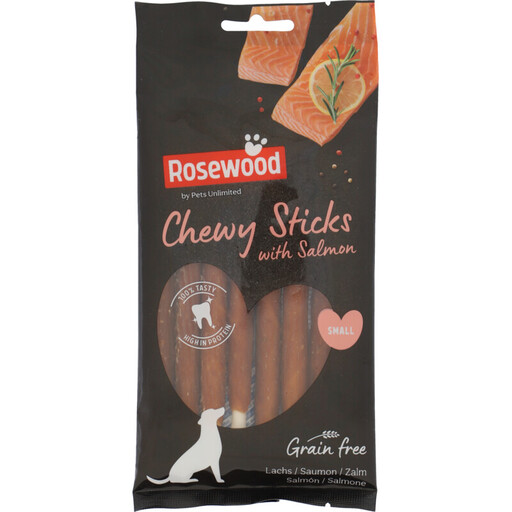
Why this fits the profile: These sticks combine beef hide with dried salmon and are intended for dog owners who weigh ingredients and texture more heavily than price alone.
The ingredients are stated concretely: beef hide and dried salmon. The product information also mentions no grains, gluten or artificial colours, fragrances or flavourings.
Eight pieces per pack, salmon flavour and a recipe with no added grains, gluten and artificial additives according to the product description.
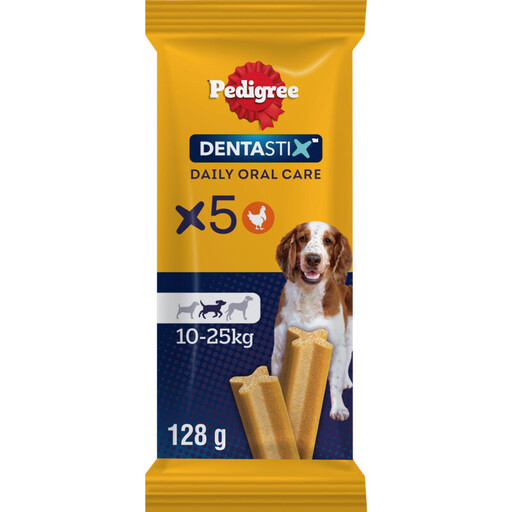
Why this fits the profile: For owners of a medium-sized dog who want to build a consistent daily routine for chewing and rewarding.
The packaging is aimed at medium dogs and states one stick per day. According to Pedigree’s own research, daily use can reduce tartar formation by up to 80%.
For dogs from 4 months old, one stick per day, 1.3% fat and no added sugar according to the product data.

Why this fits the profile: A straightforward choice for anyone wanting to try dental sticks for dogs without buying a large pack straight away.
The variant is specifically intended for medium dogs. The composition lists, among other things, 1% fat and 1% sodium hexametaphosphate.
180 grams, tailored to medium dogs and suitable as a daily reward according to the product information.
We have compiled a full, up-to-date list of products that fully meet these strict selection criteria and comply with current European safety regulations.
Follow the feeding guideline on the packaging and take into account your dog’s size, age and activity level. As a general rule, several product descriptions advise that treats should provide no more than 10% of daily calorie intake. When giving daily dental sticks, do not automatically give extra treats on top of the recommended amount.
This varies per product. Some Pedigree Dental Chews advise use within 14 days of opening; other packs mention a longer period. Seal the packaging well and store treats in a cool, dry place. Always check the date and the instructions on the packaging.
Through chewing, the texture of a dog chew can contribute to mechanically removing food residue or deposits. The outcome varies per dog. Product claims such as a reduction in tartar should be attributed to the brand. For pain, bleeding gums, a strong odour or visible tartar, advice from a vet is wiser than simply switching to other dog treats.
