
Vandaag of morgen in huis

Kwaliteit gegarandeerd

Welkomstaanbiedingen ontgrendelen: GRATIS bezorging | Tot 80% korting | Gratis 30 dagen JoyPlus-proefperiode
Download de app
A bag of dog treats might seem like a quick choice. But dog snacks vary widely in ingredients, size, texture and purpose. A soft treat for training works differently from a chew snack for dogs that like to take their time. Even marketing claims like “with meat”, “for teeth” or “low in fat” only mean something once you check the ingredients list and nutritional information.
The most common buying mistakes are:
First, look at the ingredients rather than just the front of the packet. With meat-based dog treats, the percentage can vary a lot. The Vitakraft Beef Original Lamb Stick, for example, states 92.5% meat and animal derivatives, including beef, pork and 6% lamb. The stick weighs 18 grams and, according to the product information, can be easily broken into pieces.
The Rosewood Dog Salmon Fillet Strips Large contains 97% salmon according to the product description and is a soft treat with a small amount of potato. This makes it an interesting option if you’re looking for a treat with a clearly named fish source. If your dog has allergies, always check the full packaging yourself; a product description is no substitute for the label.
A lower meat percentage doesn’t automatically mean a treat is unsuitable. The g'woon Marrow-Filled Dog Biscuits, for example, are made from cereals, meat and animal derivatives, vegetable protein extracts, oils and minerals. These biscuits contain gluten-containing cereals. That’s important information for dogs that can’t tolerate certain ingredients.
For small dog treats, small, soft or breakable pieces are usually more practical. You can better adjust the portion, and your dog doesn’t have to manage a piece that’s too big all at once. The Pedigree Dentastix for small dogs is intended for dogs weighing 5 to 10 kg. Follow the recommended amount of one stick per day and supervise your dog while they eat.
For medium and large dogs, there are larger chew shapes. The Pedigree Dog Dental Chews Large Dogs is, according to the product information, designed for large dogs. The multipack of 42 sticks is also aimed at dogs of 25 kg and over. So don’t just look at the number of sticks in the pack, but pay attention to the target group and your dog’s weight.
A treat that lasts a long time isn’t automatically suitable for every dog. Stop feeding when a piece becomes small enough to be swallowed whole. Always make sure fresh drinking water is available.
Choose a treat based on when you’re giving it:
According to the feeding advice provided, treats should generally make up no more than 10% of daily calorie intake. If necessary, reduce the main meal. Pay attention to the fat content: some products state less than 2% or less than 5% fat, while other treats contain significantly more fat.
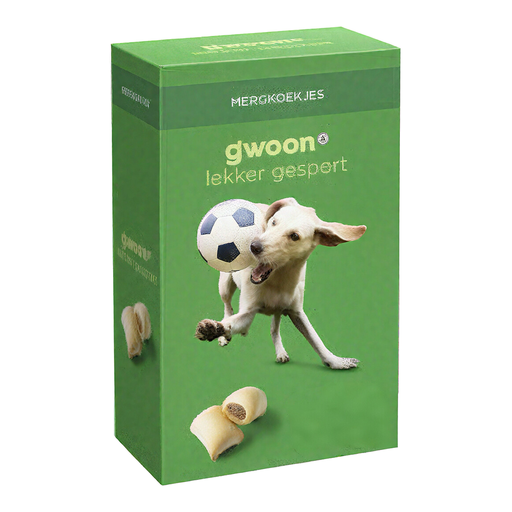
Why this fits the profile: The 500g pack is suitable for daily rewarding of dogs of different sizes. The biscuits have a crunchy outside and a soft marrow filling.
The product information clearly mentions gluten-containing cereals. This means you can check in advance whether the ingredients suit your dog.
500g; crunchy outer layer; soft filling; suitable for dogs of all breeds and sizes according to the product description.
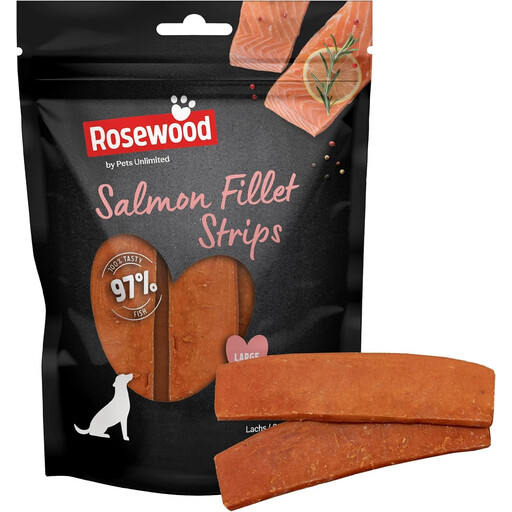
Why this fits the profile: These soft strips are a practical choice for owners looking for a treat with a clearly named fish ingredient and low fat content.
The stated percentage of 97% salmon allows for quick comparison with other meat-based dog treats.
150g; 97% salmon according to the product description; soft texture; low fat content according to the manufacturer.
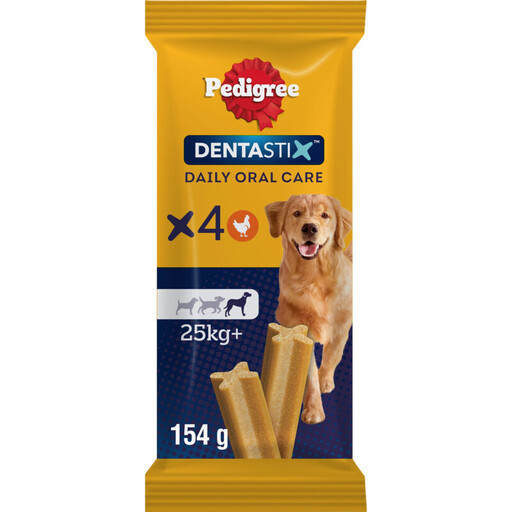
Why this fits the profile: This chew snack is aimed at daily dental care for large dogs and is intended as one treat per day.
The size for large dogs is clearly stated. According to Pedigree’s own research, the snack can help reduce tartar; this remains a brand claim.
For large dogs; daily dosage; 1.3% fat according to the stated analysis; no added sugars.
We’ve put together a full, up-to-date list of products that fully meet these strict selection criteria and comply with current European safety regulations.
As a practical guideline, treats should provide no more than 10% of daily calorie intake. The right amount depends on your dog’s weight, age, activity level and the treat’s ingredients. If needed, subtract the calories from rewards from the main meal.
Choose small, soft dog treats that you can give quickly or break into smaller pieces. The Vitakraft Beef Original Lamb Stick is easy to break according to the product information. Soft strips or small cheese-like bites can also be handy. Give several small pieces during a training session rather than one large treat.
No. Pay attention to the stated weight range, age and chewing habits. A Dentastix for small dogs doesn’t automatically suit a large dog, and vice versa. Supervise your dog while chewing, provide fresh water, and don’t use a dental care treat as a replacement for regular oral care or professional advice.
