
Vandaag of morgen in huis

Kwaliteit gegarandeerd

Welkomstaanbiedingen ontgrendelen: GRATIS bezorging | Tot 80% korting | Gratis 30 dagen JoyPlus-proefperiode
Download de app
A bag of dog treats might seem like a quick choice. But dog snacks vary widely in size, composition, texture and purpose. A soft treat for training, for example, serves a different purpose from a chew snack for dogs or a dental stick for daily care.
The biggest mistakes usually come down to three pitfalls:
First, check the target group on the packaging: small, medium or large dogs. For small dog treats, compact sizes are practical. A dog weighing 5 to 10 kg, for example, has different chewing needs than a dog of 25 kg or more.
Also pay attention to texture:
Don't give a snack your dog finds hard to grip, swallow or chew. If you're unsure about a hard chew snack, it's wise to seek advice from a vet.
Don't just compare the front of the packaging. Look at the full ingredients list and analytical constituents. Pay attention to:
With dog treats with chicken, dog treats with beef and dog treats with salmon, the flavour name can be misleading. Check whether the ingredient is actually listed and in what quantity. A product with "beef flavour" is not the same as a snack with a high beef content.
Also read the allergen information carefully. The information on the packaging is what counts, especially when a product contains multiple ingredients.
A practical guideline from the product information of several mentioned snacks is that treats should make up no more than 10% of daily calorie intake. If needed, reduce the main meal and follow the feeding instructions for each weight category.
For training, small pieces are often more practical than one large reward. A breakable stick, such as the Vitakraft Beef Original Lamb Stick, can be given in portions according to the product specifications. This way you keep the reward small without giving a whole snack each time.
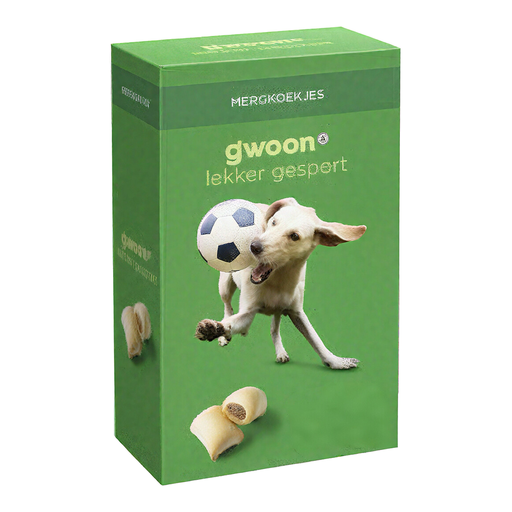
Why this fits the profile: The combination of a crunchy outside and soft marrow filling makes these biscuits suitable as a simple reward or training snack for dogs of various breeds and sizes.
The size and intended use are clearly described. Do check the ingredients: the composition lists grains and gluten.
500 g content, crunchy texture, soft filling and no artificial colours or flavourings according to the product description.
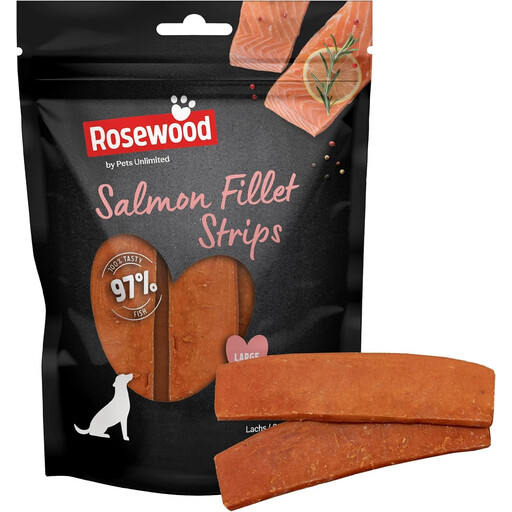
Why this fits the profile: These soft strips are an option for owners looking for a snack with fish as the main ingredient, for example after a walk or during calm training sessions.
The product description states 97% salmon and no added grains, gluten, artificial colourings, flavourings or preservatives. Check the packaging at the time of purchase.
Soft texture, 150 g content and a recipe that, according to the product information, consists mainly of salmon.
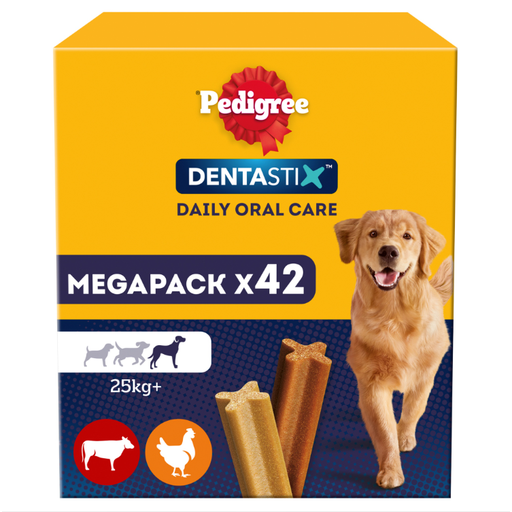
Why this fits the profile: The multipack is aimed at large dogs of 25 kg and over and suits owners who want to follow a consistent daily dental stick routine.
The dog's weight and the number of sticks are clearly specified. According to Pedigree's own research, this variant can help reduce tartar; this does not replace a dental check-up.
42 sticks, suitable for large dogs, no added sugar according to the product description and intended for daily use.
We've put together a full, up-to-date list of products that fully meet these strict selection criteria and comply with current European safety regulations.
Use the feeding guideline on the packaging and keep treats preferably under 10% of daily calorie intake. The right amount depends on weight, age, activity level and the type of snack. During intensive training, you can break larger snacks into small pieces.
No, treat a dental stick as a supplement. According to brands' own research or product claims, certain structures can help with cleaning during chewing, but the result is not guaranteed for every dog. Check your dog's teeth regularly and ask your vet for advice if you have any concerns.
Soft dog treats or small, easy-to-break dog snacks are usually the most practical. Think soft strips, small bites or a breakable meat snack. Choose a size your dog can eat quickly and count all rewards towards the daily amount.
