
Vandaag of morgen in huis

Kwaliteit gegarandeerd

Welkomstaanbiedingen ontgrendelen: GRATIS bezorging | Tot 80% korting | Gratis 30 dagen JoyPlus-proefperiode
Download de app
Buying a bag of dog treats might seem straightforward, until you have to choose between dog biscuits, soft dog treats, chews for dogs and dental snacks. An attractive packet doesn’t always tell you enough about the ingredients, the size or the right way to use them for your dog.
Watch out for these common pitfalls:
Look at the ingredients in order of weight. If meat or fish is listed first, that generally gives a clearer picture of the composition than a product where grains, sugars or plant-based by-products are at the top. Also check:
A treat with only two listed ingredients can be straightforward, but also check whether the product is suitable for your dog’s age, size and any sensitivities. “Free from the 14 major EU allergens” doesn’t mean every dog will tolerate the product without issues. If your dog has a known allergy, check the full ingredients list.
For training, small, soft treats are practical. You can give them quickly without interrupting an exercise for long. A larger soft jerky can often be broken into pieces; just check whether the product description allows this.
For longer chewing, dog chews and chew treats for dogs are more suitable. Choose a size that matches your dog’s jaw strength and always supervise. A treat that breaks into large pieces can be a choking hazard.
Dental treats often have a specific shape or texture. According to the product information from some brands, daily use may help reduce tartar. That’s a claim from the manufacturer and not a guarantee for every dog. If your dog already has dental problems, it’s wise to seek advice from a vet.
According to many product recommendations, treats should make up no more than 10% of daily calorie intake. So deduct the amount from the regular meal. Pay extra attention with small dogs: just a few dog biscuits can provide a relatively high amount of energy for them.
Also check:
A resealable packet helps keep soft treats in good condition. Store dog treats in a cool, dry place, away from direct sunlight.
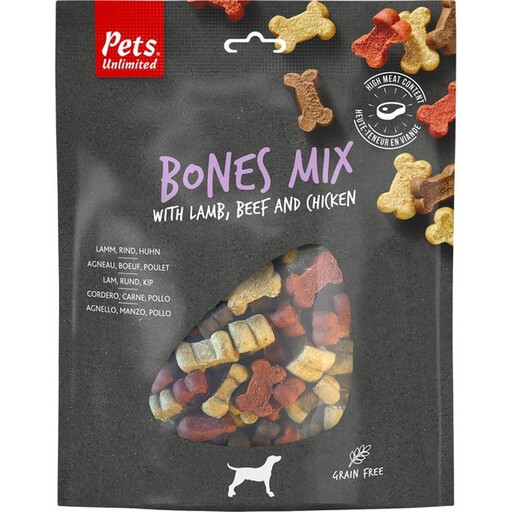
Why this fits the profile: This mix is intended as a reward or treat for dogs of different sizes and contains 150 g of product. That makes it an easy choice for everyday use.
The product information lists the composition, including 32.5% meat and animal by-products. So you don’t have to rely only on pictures or flavour names.
Mix of poultry, lamb and beef; free from artificial colours and flavourings according to the product description.
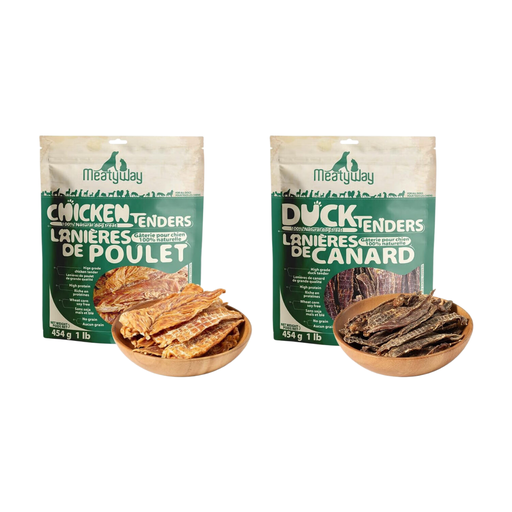
Why this fits the profile: The pack contains two bags of 454 g. According to the product description, the soft jerky can be broken into smaller pieces, making it useful for training or as larger rewards.
The product information lists duck and chicken as ingredients and explicitly states that the treat is grain-free. Always check the packaging again if your dog has sensitivities.
Large total content; soft texture; according to the product description, no added colourings, fillers or preservatives.

Why this fits the profile: According to the product information, these dental treats are intended for small dogs weighing 5 to 10 kg and from 4 months old. The size is therefore more clearly defined than with general chew treats.
The stated target group prevents you from choosing a variant for large dogs. The claim about tartar reduction is based on Pedigree’s own research; see the packaging for full information.
X-shaped treat; one stick per day according to the product information; stated fat content of 1.3%.

Why this fits the profile: According to the product description, the jerky is easy to break into small pieces. That’s handy when you’re giving frequent small rewards during a walk or obedience training.
The treat isn’t just based on the name “training”: the breakable size and the listed ingredients are stated in the product description. Do check for any discrepancy between the product name and the label information.
454 g content; grain-free recipe according to the product information; suitable for portioning during training.
We’ve put together a full, up-to-date list of products that fully meet these strict selection criteria and comply with current European safety regulations.
As a practical guideline, treats should provide no more than 10% of daily calorie intake. The right amount depends on weight, age, activity level and the energy value of the product. If necessary, reduce the main meal and follow the feeding instructions on the packaging.
Choose small, soft dog treats for training that can be eaten quickly. Jerky that you can break into smaller pieces, like the MeatyWay varieties mentioned, is practical for this. Give several small rewards rather than one large piece each time.
This varies by product. Some soft treats need to be used within 14 days; other packaging may give a shorter or longer period. Seal the bag properly, store it in a cool, dry place and always follow the date and instructions on the packaging.
