
Vandaag of morgen in huis

Kwaliteit gegarandeerd

Welkomstaanbiedingen ontgrendelen: GRATIS bezorging | Tot 80% korting | Gratis 30 dagen JoyPlus-proefperiode
Download de app
Buying a bag of dog treats seems simple, until you have to choose between dog biscuits, soft dog treats, chew sticks and dental dog treats. Attractive packaging does not always tell you whether a treat is suitable for your dog’s size, age or diet.
Pay particular attention to three common pitfalls:
For training, small, soft pieces are usually the most practical. They can be given quickly and do not need to be chewed for long. Soft dog treats, such as small chicken bites, are therefore well suited to walks or obedience exercises.
For longer-lasting chewing enjoyment, dog chews are more suitable. Check that the size matches your dog’s jaw strength and body size. A treat for small dogs is not automatically suitable for a large dog: they may eat it too quickly. Conversely, a large chew can be difficult for a small dog to manage.
Always give a chew under supervision. Look out for broken-off pieces and remove the treat once it becomes small enough to swallow whole.
The ingredients list provides more information than terms such as “natural” or “high in meat”. For example, look at:
If you are looking for dog treats without artificial colourings, check the full product information. Some product descriptions state that they contain no artificial colourings or flavourings, while other varieties may contain aromas or colouring additives.
A training treat has different practical qualities from a dental-care product:
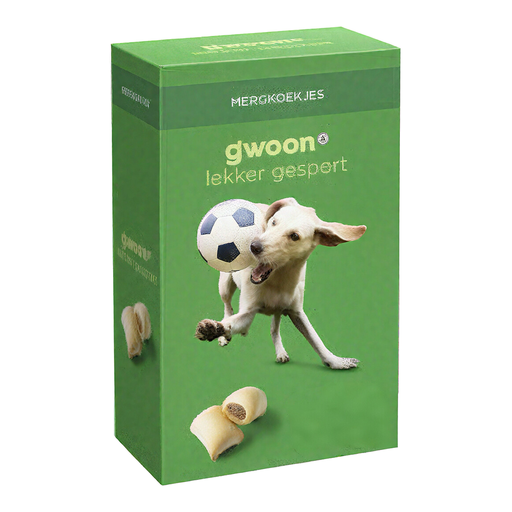
Why it suits this profile: The 500-gram pack is practical for owners who regularly give dogs of different breeds and sizes a biscuit as a reward.
The product information describes a crunchy outer layer, soft marrow filling and no artificial colourings or flavourings. However, check the grains and gluten in the ingredients list.
500 grams; crunchy biscuit texture; suitable as a reward or training treat according to the product description.
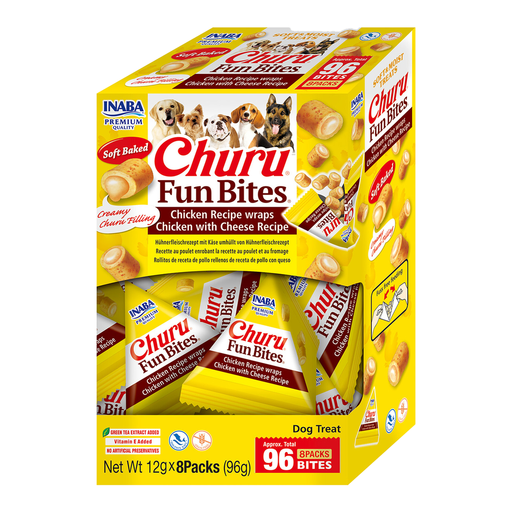
Why it suits this profile: The small, soft portions are well suited to owners who pay attention to texture and portion control, and who want a treat that may also appeal to fussy dogs.
The pack divides the treat into eight 12-gram portions. Once opened, the product should be refrigerated and used as soon as possible.
96 grams in total; soft chicken bites; 72% moisture; according to the product information, free from grains, carrageenan and artificial colourings.

Why it suits this profile: A multipack is convenient when you regularly give a medium-sized dog a dental treat and want to keep a supply at home.
The sticks are intended for medium-sized dogs weighing 10–25 kg. According to Pedigree’s own research, daily use may help with tartar build-up; treat this as a brand claim, not a medical guarantee.
56 sticks; designed for medium-sized dogs; no added sugar and, according to the product information, no artificial colourings or flavourings.

Why it suits this profile: The small version is designed for smaller dogs that enjoy chewing, without immediately giving them a large treat.
The size is clearly stated as small. According to the product description, the sticks contain no added grains or gluten, but always check the current packaging.
10 pieces; beef hide wrapped in dried chicken; designed for longer chewing; according to the product information, free from artificial colourings, flavourings and preservatives.
We have put together a complete, up-to-date list of products that fully meet these strict selection criteria and the applicable European safety regulations.
For an adult dog that receives daily rewards, small dog biscuits or dog training treats are usually easy to portion. A chicken or beef treat can add variety, but do not change your dog’s diet suddenly if they are sensitive to new foods.
For small dogs, soft bites or a small chew stick are often more practical. Pay attention to the recommended weight range. Larger dogs may be better suited to firmer treats, but supervision is still necessary.
If ingredients are your main concern, look for dog treats without artificial colourings. Also check whether they contain grains, gluten, milk products, soya or multiple sources of animal protein.
This depends on their weight, age, activity level and the treat’s calorie content. As a practical guideline, treats should make up no more than 10% of your dog’s daily calorie intake. If necessary, reduce the main meal and follow the feeding advice on the packaging.
Small, soft treats are usually convenient during training. They can be eaten quickly and interrupt the exercise for less time. Break larger dog treats into smaller pieces when it is safe to do so, and count every piece towards the daily portion.
No. According to brands’ own research, products such as Dentastix for dogs may help reduce tartar or support a cleaner mouth. This remains a product claim. A dental treat is not a substitute for tooth brushing, a check-up or treatment by a vet.
