
Vandaag of morgen in huis

Kwaliteit gegarandeerd

Welkomstaanbiedingen ontgrendelen: GRATIS bezorging | Tot 80% korting | Gratis 30 dagen JoyPlus-proefperiode
Download de app
Buying a bag of dog treats might seem straightforward. Yet dog biscuits, dog chews and chew snacks for dogs vary greatly in size, composition, hardness and nutritional value. A treat that suits an adult Labrador can be too large or too calorie-dense for a small dog.
As a Joybuy Product Recommendation Officer, I filter product information based on practical points. This helps you see more quickly which dog treats match your goal: rewarding, training, long-lasting chewing or daily dental care.
Packaging sometimes features phrases like “supports dental care” or “reduces plaque”. Such claims do not automatically apply to every dog. When a brand mentions a specific percentage, I do not present that as a guaranteed result.
For example, according to Pedigree’s own research, daily use of certain Dentastix can reduce tartar formation by up to 80%. This is a brand claim under specific conditions, not a replacement for brushing or a veterinary check-up.
A dog may love cheese, beef or chicken, but flavour says little about size, calories or suitability. Always check whether the product is a complementary pet food, which age it is intended for and which ingredients have been used.
Also watch out for potential allergens. The composition of g'woon Marrow-Filled Dog Biscuits, for instance, mentions cereals with gluten. So read the current packaging, even when a product description online seems different or incomplete.
A large, firm treat can be unsuitable for a puppy, a very small dog or a dog that swallows large pieces quickly. Supervision is important with chew treats. Remove any small broken-off pieces and make sure fresh drinking water is available.
First, choose the function:
A training treat should not be so large that the dog has to chew for a long time. For calm chewing, the texture and recommended dog size are more important than the flavour.
“For all breeds” does not mean every dog needs the same amount. Look at the weight:
According to the product information, Pedigree Dental Chews Small Dogs is intended for dogs of 5–10 kg from 4 months of age. The recommended amount is one stick per day. Adjust the main meal accordingly.
Treats are complementary pet food and do not replace a full meal. A practical guideline for several products in this overview is that treats should make up no more than 10% of daily calorie intake. Some products have a separate feeding guideline on the packaging.
Check in particular:
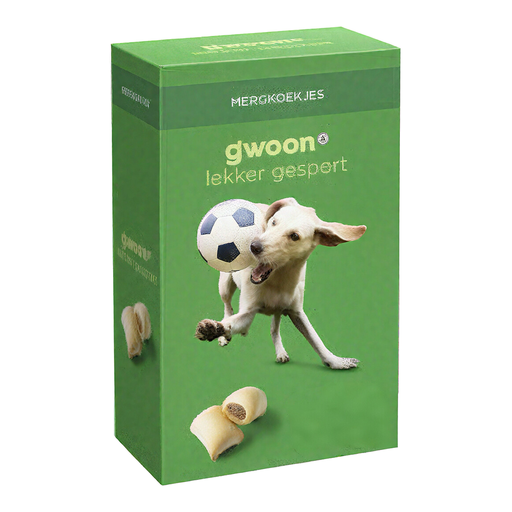
Why This Fits Their Persona: A generous pack for owners who regularly give a biscuit during training or as a reward. According to the product information, it is suitable for dogs of all breeds and sizes.
The size and quantity are clearly stated: 500 g. This allows you to compare the price per gram rather than just looking at the packaging.
Crunchy outer layer, soft marrow filling and no artificial colours or flavours according to the product information.
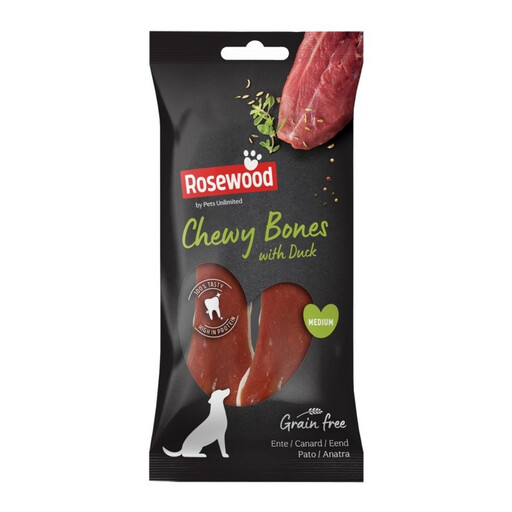
Why This Fits Their Persona: Suits owners of small to medium-sized dogs who want a firmer treat for calm chewing.
The product information explicitly states that this treat is not suitable for puppies or very small breeds. This prevents a wrong choice based on shape alone.
Medium-sized, firm and intended for longer chewing. The ingredients list includes duck, animal by-products and minerals.

Why This Fits Their Persona: Aimed at small dogs of 5–10 kg from 4 months of age, for owners who want to add a regular treat to their daily routine.
The weight class is clearly stated. Moreover, the dental care claim is presented as a brand claim, not a guaranteed result for every dog.
X-shape, 1.3% fat according to the stated analysis and a recommended use of one stick per day.

Why This Fits Their Persona: A logical choice for a medium-sized adult dog when you are looking for a daily dental care treat.
The variant is specifically labelled for medium-sized dogs. This means you do not have to guess based on the product name alone.
180 g pack, 1% crude fat and 17% moisture according to the stated analysis; the composition lists 1% sodium hexametaphosphate.
Browse a current selection of dog treats with different sizes, textures and uses for dogs in the UK.
Store opened dog treats in a cool, dry place and reseal the packaging. According to the product information, some Pedigree products must be used within 14 days of opening. Always check the date and instructions on the current packaging.
Only give chew treats under supervision. Stop if your dog breaks off large pieces, has difficulty chewing or shows signs of intolerance. If your dog has an allergy, a specific diet or dental problems, it is wise to consult a vet.
That depends on weight, age, activity level and the energy content of the treat. Use the feeding guideline on the packaging and subtract the treat calories from the main meal. As a general rule, treats should provide no more than about 10% of daily calorie intake.
No, a dental stick does not replace full dental care. The shape and texture can encourage chewing. Claims about plaque or tartar are brand-specific and do not automatically apply to every dog. Pay attention to the correct weight class and supervise during chewing.
Choose small, easy-to-chew dog treats or a product that clearly states it is intended for small dogs. Check age and weight. A firm treat for medium-sized dogs, such as a larger chew stick, can be unsuitable for a very small dog.
