
Vandaag of morgen in huis

Kwaliteit gegarandeerd

Welkomstaanbiedingen ontgrendelen: GRATIS bezorging | Tot 80% korting | Gratis 30 dagen JoyPlus-proefperiode
Download de app
Buying a bag of dog treats might seem straightforward, until you have to choose between soft dog treats, chews for dogs, training treats for dogs and dental dog treats. The packaging often promises a lot, but not every treat suits every dog. A small dog needs different portions and sizes than a large dog. Age, chewing strength, allergies and daily diet also play a part.
"With chicken" doesn't automatically mean chicken is the main ingredient. Check the ingredients list and pay attention to the order: ingredients are usually listed by weight. In some dog treats, chicken or chicken flavouring is only mentioned as part of a broader recipe.
For example, a treat containing cereals, vegetable by-products and animal by-products may include chicken, but it isn't necessarily the largest component. If your dog has a food sensitivity, don't just look at the flavour on the front; check the full ingredients and allergen information.
A hard treat can be appealing for a dog that loves to chew for a long time, but a small breed, a senior dog or a dog with less chewing strength may be better off with a soft or semi-moist option. A piece that is too large can also be difficult to handle.
Always give chew treats under supervision. Also check whether the treat is intended for small dogs, medium dogs or large dogs. The recommended weight limits on the packaging are more important than just the breed.
Some products are developed, according to the brand's product information, to help reduce plaque or tartar during chewing. That is a product claim and not a guarantee for every animal. Pedigree, for example, states that Dentastix can help reduce tartar formation by up to 80% with daily use. This claim comes from Pedigree's product information.
Therefore, see dental dog treats as a supplement. They do not replace brushing your dog's teeth or a check-up with the vet if you notice red gums, bad breath or pain while eating.
Choose the texture based on your dog's eating habits:
A treat for small dogs must be small enough to eat safely. For large dogs, a treat that is too small can be swallowed quickly, limiting the chewing effect.
Alongside the ingredients, also look at the analytical constituents, such as crude protein, fat, crude fibre, ash and moisture. A high moisture content often makes a treat softer. INABA Fun Bites Dog Chicken Wraps Chicken with Sweet Potato, for example, states 82% moisture and a soft texture in a pouch.
A single-ingredient recipe can be useful when you want to keep the diet simple. MeatyWay Chicken Tenders lists chicken as the only ingredient, with at least 70% crude protein and a maximum of 18% moisture according to the product description. Always check the actual packaging, as labelling and nutritional information can vary between variants.
Dog treats are complementary food and not a replacement for a complete meal. As a general guideline, many products state that treats should make up no more than 10% of daily calorie intake. If necessary, reduce the main meal.
Also pay attention to shelf life after opening:
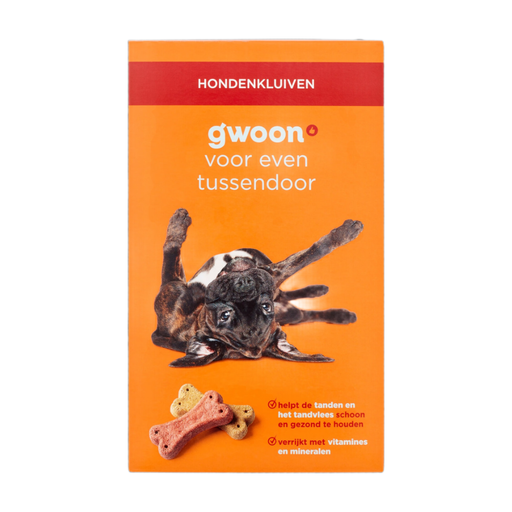
Why this fits the profile: The 500-gram pack is practical for dog owners who want to give a chew treat regularly. According to the product description, the treat is suitable for dogs of all breeds.
The ingredients list includes cereals, oils and fats, and animal by-products, including chicken. This means you can check the composition rather than relying solely on the flavour variant.
500-gram content; according to the product information, no artificial colours or flavourings. Give the treat under supervision and adjust the amount to suit your dog.
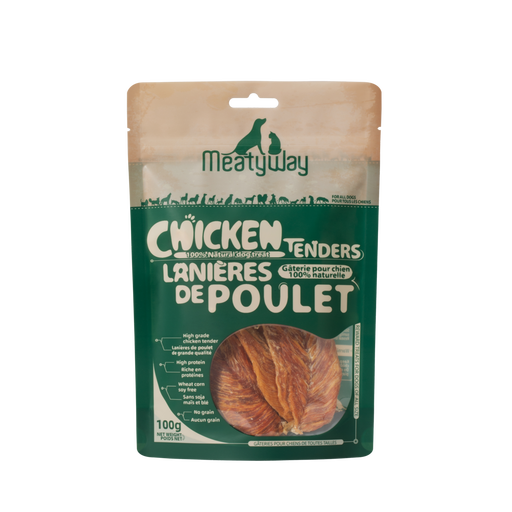
Why this fits the profile: A single-ingredient chicken treat with a soft jerky texture suits owners who want a short, clear ingredients list.
The product description lists only chicken as an ingredient. This makes it easier to assess the treat when you want to avoid different animal protein sources.
100% chicken according to the product information; easy to break into smaller portions for training and rewards.

Why this fits the profile: The multipack is intended for medium dogs weighing 10–25 kg and fits a regular daily treat routine.
The size is linked to a clear weight category. The stated effect against tartar remains a claim from Pedigree's product information; therefore, use the treat as a supplement.
56 pieces for medium dogs; no added sugar and, according to the product information, no artificial colours or flavourings.
We've put together a full, up-to-date list of products that fully meet these strict selection criteria and comply with current European safety regulations.
Follow the feeding advice on the packaging and keep treats below 10% of daily calorie intake where possible. Give smaller portions for training treats and adjust the main meal if you give several treats a day.
Choose treats with a size and feeding advice that matches your dog's weight. Pedigree Dentastix Small Dogs is intended for dogs weighing 5–10 kg according to the product information. For very small dogs, a soft treat that you can break may be more practical. Always supervise your dog while eating.
This varies by product. Dry dog treats usually last longer when stored in a cool, dry place and kept well sealed. Soft or moist dog treats often need to be refrigerated and used up quickly. Always follow the storage and shelf-life information on the packaging.
