
Vandaag of morgen in huis

Kwaliteit gegarandeerd

Welkomstaanbiedingen ontgrendelen: GRATIS bezorging | Tot 80% korting | Gratis 30 dagen JoyPlus-proefperiode
Download de app
There is a huge choice of dog treats: soft pieces, meat strips, chicken varieties, chews and multipacks with several flavours. That can make comparing them difficult. Packaging featuring words such as “natural”, “grain-free” or “high protein” does not always tell you enough about how a product should be used, its ingredients or the portion size.
The main pitfalls are usually easy to avoid:
Small, soft dog treats are useful for training. You can give them quickly, and some soft pieces are easy to break into smaller portions. For small dogs, pay attention to the size and feeding quantity. A treat that looks small to a large dog may already account for a significant proportion of a small dog’s daily extra food intake.
For older dogs or dogs that prefer not to chew for long, soft dog treats may be more practical than hard chews. A dog chew has a different purpose: it gives your dog something to chew on for longer. Only give these products under supervision and choose a size that cannot be swallowed whole.
Look beyond the front of the packaging. Check:
For example, INABA Bites Dog Multipack contains chicken, chicken broth, chicken liver and chicken breast. The analytical constituents state 14% crude protein, 3% crude fat and 82% moisture. This is different from MeatyWay Chicken Tenders, whose product description names one ingredient: chicken, with 70% crude protein and a maximum of 5% crude fat according to the stated analysis.
You should also read the full ingredients list for grain-free dog treats. “Grain-free” only means that no cereals have been added; it does not automatically mean that a treat is suitable for every dog or that you do not need to limit the portion.
Treats should be given alongside your dog’s normal food. A commonly used guideline on product packaging is that treats should account for no more than approximately 10% of your dog’s daily calorie intake. Adjust the main meal if you regularly give rewards.
Also check the storage instructions. According to the product information, INABA Churu products should be refrigerated after opening and used within 24 hours. G'woon Dog Pate states that it should be used within 48 hours of opening. A dog treat multipack with individually wrapped portions may therefore be more practical than one large, opened bag.

Why it suits this profile: This multipack combines four chicken varieties in 16 small portions. It is a convenient option if you want to try different flavours without buying several separate packs straight away.
The number of portions and the net weight of 64 g are clearly stated. The small pieces are designed for rewards and training rather than prolonged chewing.
Four chicken varieties, small pieces and 82% moisture according to the product information. Use within three days of opening.
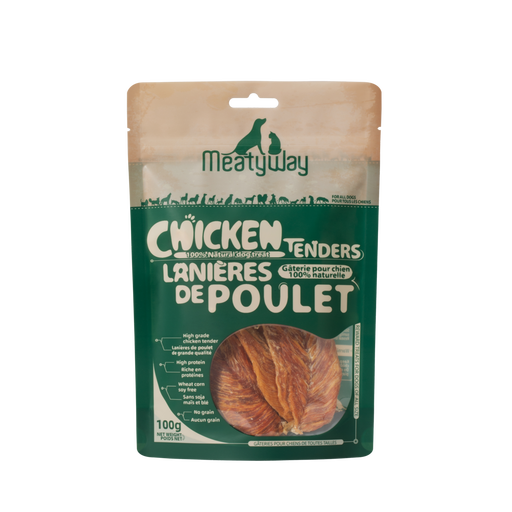
Why it suits this profile: The listed ingredients consist of chicken. According to the product information, the soft jerky texture can be broken into smaller pieces for training.
The analysis provides specific values: at least 70% crude protein, at least 5% crude fat and a maximum of 18% moisture. This means you do not have to rely on marketing terms alone.
One listed ingredient and a 100 g bag. Suitable for anyone who wants to compare ingredients and nutritional values carefully.
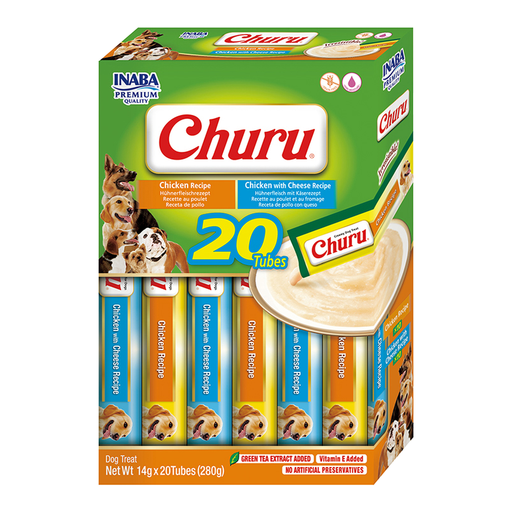
Why it suits this profile: The tubes are designed to be given by hand, used as a topper or offered as a training reward. This makes them suitable for dogs that respond well to a soft, spreadable snack.
The pack contains 20 tubes of 12 g. This clearly defines each portion, although according to the product information, an opened tube must be refrigerated and used within 24 hours.
Two chicken varieties, 88% moisture and portable tube packaging according to the product description.
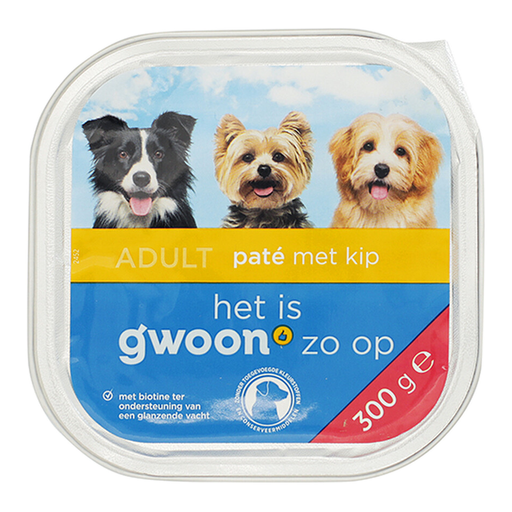
Why it suits this profile: According to the product description, the pâté-like texture is soft and easy to eat. The product is intended for adult dogs as a reward or occasional treat.
The intended use and target group are clearly described. After opening, the product must be refrigerated and used within 48 hours.
Soft pâté texture and chicken as the listed ingredient. Always check the label and nutritional information on the packaging before buying.
We have put together a complete, up-to-date list of products that fully meet these strict selection criteria and the applicable European safety regulations.
This depends on their weight, age, activity level and overall diet. Follow the guideline on the packaging and, ideally, keep extra treats below approximately 10% of their daily calorie intake. Reduce the amount of their main food when you train frequently.
Soft treats can be practical for older dogs that struggle with hard pieces, but suitability varies from dog to dog. Check the product information, give small portions and supervise your dog. If eating or chewing problems persist, it is advisable to seek advice from a vet.
This varies from product to product. Dry treats should usually be stored in a tightly sealed container in a cool place. Moist products, such as pâté and tubes, often need to be refrigerated and used within 24 to 48 hours according to the packaging. Always check the best-before date and the instructions on the label.
