
Vandaag of morgen in huis

Kwaliteit gegarandeerd

Welkomstaanbiedingen ontgrendelen: GRATIS bezorging | Tot 80% korting | Gratis 30 dagen JoyPlus-proefperiode
Download de app
You want to spoil your dog, train them, or simply give them a tasty reward. But the shelves, both online and offline, are packed with hundreds of types of dog treats. How do you choose the right one? Many packages make grand promises, but what's marketing and what's fact? Before you buy another bag of treats that your dog ignores or that isn't good for them, let's first look at the most common pitfalls.
The key to making a good choice lies on the back of the package. The ingredients are always listed in order of weight, meaning the first ingredient is the most abundant.
Not every treat serves the same purpose. Consider what you want to use the dog treats for. The function determines the ideal shape, size, and texture.
To help you get started, we've highlighted a few products that suit different needs and budgets, based on their specifications.
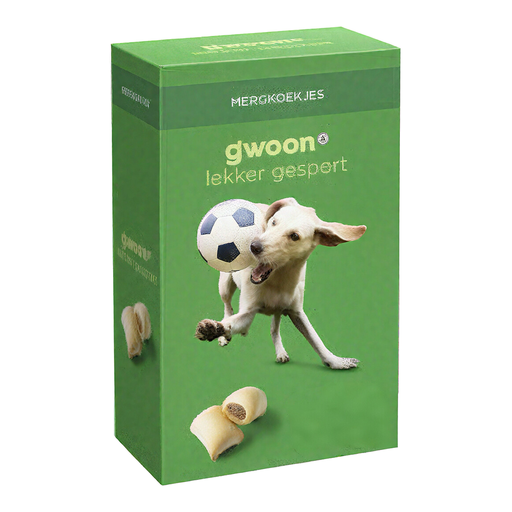
Why This Fits Their Persona: A classic dog biscuit at a competitive price. Ideal if you regularly want to give a simple reward without breaking the bank. Suitable for dogs of all breeds and sizes.
This is an honest, traditional dog biscuit. It doesn't pretend to be a complex health snack but offers a crunchy reward with a marrow filling that many dogs love.
Large 500g package offering great value for money. The crunchy exterior supports chewing behaviour.

Why This Fits Their Persona: Perfect for owners who want to know exactly what their dog is eating. According to the manufacturer, these treats consist of high-quality duck and nutritious purple sweet potato, with no other additives.
No vague "natural" claims here. The ingredient list is short and clear. This treat is grain-free and contains no artificial additives, sidestepping the pitfall of misleading labels.
High in protein and low in fat. The jerky texture is easy to break into smaller pieces for training or for smaller dogs.

Why This Fits Their Persona: Specifically designed for the daily dental care of small dogs (5-10 kg). A practical way to support your dog's oral hygiene.
This is more than just a hard biscuit. According to the manufacturer, Pedigree, the unique X-shape and active ingredients help reduce tartar buildup by up to 80% with daily use. This tackles the "empty dental promise" with a specific, brand-claimed function.
Low in fat and with no added sugars. According to the manufacturer, its effectiveness is clinically proven. Suitable for daily use.
We have compiled a complete, up-to-date list of products that meet these selection criteria and current regulations.
A good rule of thumb is that treats should not make up more than 10% of your dog's daily calorie intake. Their main meal remains the most important source of nutrients. Always check the packaging for specific feeding advice and adjust the amount based on your dog's size, age, and activity level.
Not necessarily. Grain-free treats are a great solution for dogs with a grain allergy or intolerance. For most dogs, however, grains in limited quantities are not a problem. The choice depends on the individual needs and sensitivities of your dog. The most important thing is a treat with high-quality, clearly listed ingredients.
Most treats are suitable for puppies from about 3-4 months old, but this can vary by product. Puppies have sensitive digestive systems and different dental needs. Choose training treats or soft treats specifically developed for puppies. Avoid hard chews until their adult teeth have fully come in. Always check the recommendation on the packaging.
