
Vandaag of morgen in huis

Kwaliteit gegarandeerd

Welkomstaanbiedingen ontgrendelen: GRATIS bezorging | Tot 80% korting | Gratis 30 dagen JoyPlus-proefperiode
Download de app
Buying a bag of dog treats might seem simple, but products vary widely in their ingredients, size, texture and intended use. A soft training treat, for example, isn’t necessarily suitable as a long-lasting chew. And a large bone may be awkward for a small dog.
As a Joybuy Product Recommendation Officer, I filter product information for practical details. This helps you quickly find dog treats, chew sticks or dog chews that suit your dog, and avoid paying mainly for packaging claims.
Words such as “meaty”, “premium” or “with chicken” don’t always tell you how much of that ingredient a product contains. So check the ingredients list. For example, G'woon Beef Strips lists 18% beef, alongside cereals, plant-based ingredients, sugars, preservatives and colourings. That’s different from a treat whose main ingredient is dried chicken.
When choosing beef or chicken dog treats, it’s also worth checking the exact percentage and the full list of ingredients.
According to the product descriptions of various brands, chewing can help clean teeth through mechanical action. This doesn’t replace regular dental care and shouldn’t be considered a medical benefit. When choosing dental-care dog treats, pay particular attention to the texture, shape and suitability for your dog’s size.
Always supervise your dog when giving them a chew. A large piece that breaks off can pose a choking risk, especially if the treat becomes too small or your dog swallows large pieces.
Most products in this category are complementary pet food, so they don’t replace a complete main meal. Several product descriptions state that treats should make up no more than 10% of your dog’s daily calorie intake. Adjust their main meal if you give rewards regularly.
Also consider the difference between a small training treat and a high-calorie dog chew. A treat that’s suitable for a large adult dog can quickly make up a substantial part of a small dog’s daily allowance.
Choose treats for small and medium-sized dogs based on your dog’s weight and chewing habits. Check:
According to the product information, Rosewood Small Chew Sticks Beef aren’t suitable for puppies under four months old. Pedigree Jumbone Mini Chicken & Lamb is intended for adult small dogs weighing up to 15 kg and has a specific recommended feeding frequency. Details like these matter more than the word “mini” alone.
Compare the ingredients list with your dog’s needs. If your dog is sensitive, check for cereals, soya, lupin, beef, chicken and other animal protein sources. A statement that a product doesn’t contain any of the 14 major EU allergens doesn’t automatically mean your dog won’t react to a particular ingredient. Always read the label.
Examples from the range:
A high protein percentage isn’t a general guarantee of quality. It needs to suit your dog’s overall diet.
Small, soft pieces are handy for training. You can give your dog a reward quickly without interrupting the exercise for long. For a relaxing chew, dog chew sticks or firmer bones make more sense, as long as they’re the right size.
Also check:
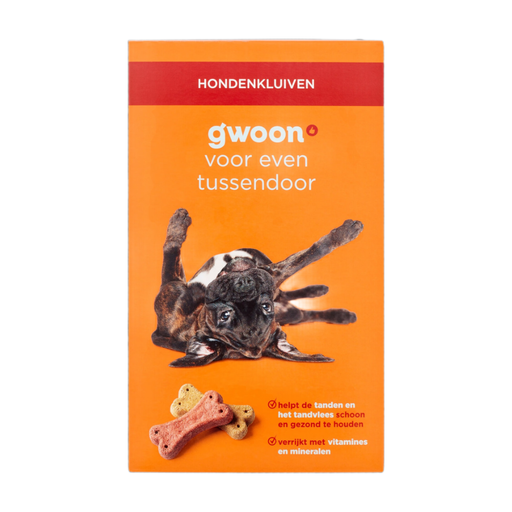
Why it suits this profile: A 500-gram pack is handy if you regularly want to give dogs of different breeds and sizes a chew. Be sure to check the recommended amount each time and adjust it to suit your dog.
The product information lists the ingredients and recommends supervising your dog while they chew. The treat isn’t presented as an unlimited daily food.
500 grams; intended as a chew between meals; according to the product description, contains no artificial colourings or flavourings.
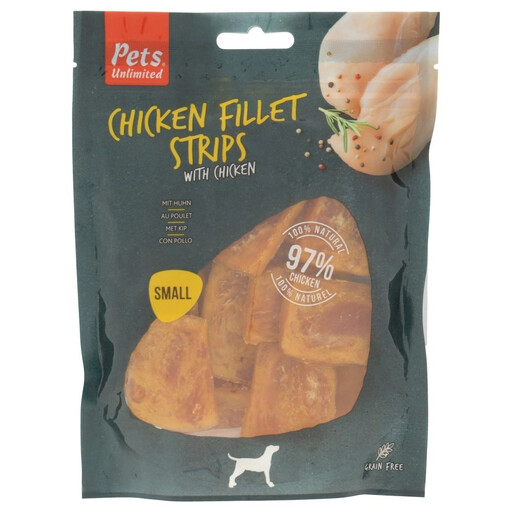
Why it suits this profile: According to the product information, the small fillets are intended for small dogs and can also be used as a training reward.
The stated chicken percentage makes it easier to check the ingredients than a general claim about flavour. The treat isn’t intended for puppies under six months old.
92% chicken breast according to the product information; small size; grain-free recipe according to the product description.

Why it suits this profile: According to the product information, these medium-sized chews combine beef hide with dried chicken and are designed for longer chewing.
The pack contains four pieces and the size is clearly labelled as medium. This makes it easier to choose a size that matches your dog’s chewing strength.
Four medium-sized sticks; chicken wrapped around beef hide; according to the product description, made without added cereals or artificial colourings, fragrances or flavourings.
We’ve put together a complete, up-to-date list of products that meet these strict selection criteria and the applicable European safety requirements.
It depends on your dog’s weight, age and activity level, as well as the treat’s nutritional value. Follow the guidance on the packaging and, ideally, keep complementary food to less than 10% of your dog’s daily calorie intake. Reduce their main food if you use lots of training treats.
According to product descriptions, chewing can help clean teeth through mechanical action. The effect varies depending on the dog and the treat. So don’t use dental-care dog treats as a substitute for dental check-ups or brushing. Always supervise your dog and choose a suitable size.
It varies by product. Some Pedigree treats state that they should be used within 14 days of opening; other products mainly need to be kept tightly sealed in a cool, dry place. Always check the packaging for the exact shelf life and storage instructions.
