
Vandaag of morgen in huis

Kwaliteit gegarandeerd

Welkomstaanbiedingen ontgrendelen: GRATIS bezorging | Tot 80% korting | Gratis 30 dagen JoyPlus-proefperiode
Download de app
Buying a bag of dog treats might seem straightforward – until you have to choose between dog biscuits, soft dog treats, chews for dogs and training treats for dogs. A flashy packet doesn’t always tell you enough. Some treats are too big for small dogs, others are relatively high in calories, or they lose their freshness quickly once opened.
The main pitfalls to watch out for:
First, check whether it’s complementary pet food. That means the treat isn’t intended to replace a complete meal. Keep the amount in proportion to the daily diet. For many products, a practical guideline is that treats should provide no more than around 10% of daily calorie intake, unless the packaging states otherwise.
Also pay attention to:
If you’re looking for dog treats without artificial additives, read the ingredients list rather than just the front of the packet. “No artificial colours” doesn’t automatically mean the product is free from all additives.
For training treats for dogs, small, easy-to-break pieces are handy. A treat that needs to be chewed for a while is better suited to a quiet moment at home. Match the size to the dog: a large chew can be impractical for a small dog, while a tiny bite offers little chewing enjoyment for a large dog.
Soft dog treats are often easy to give by hand. Hard biscuits and sticks may last longer, but supervision is still important. Don’t leave your dog alone with a treat that could splinter, break apart or be swallowed whole.
Check the best-before date and the instructions after opening. Some moist dog treats need to be refrigerated and used up quickly. For dry products, a well-sealable packet helps to keep the texture intact.
Always provide fresh drinking water. If you give regular rewards, adjust the main meal when the packaging advises it. For allergies, overweight, a sensitive digestion or a special diet, it’s wise to consult a vet.
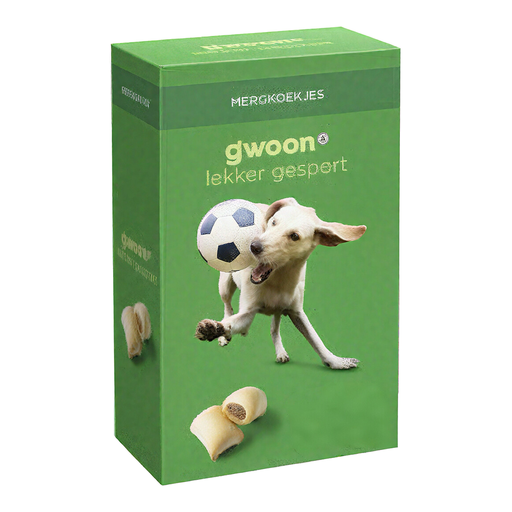
Why it fits the profile: A 500g bag is practical for households that regularly give a biscuit as a reward. The combination of a crunchy outside and soft filling offers variety.
The product information lists gluten-containing cereals. This makes the composition easier to assess than with a treat that only has a general flavour claim.
500g content, crunchy biscuit texture, soft marrow filling and, according to the product description, no artificial colours or flavours.
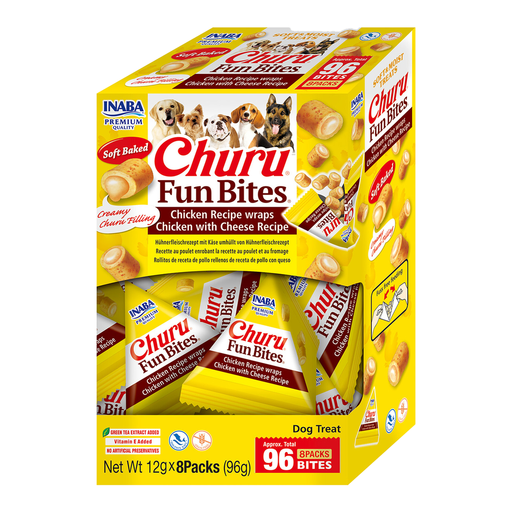
Why it fits the profile: The individual portions are ideal for anyone who values hygiene, fixed amounts and a soft texture when out walking or training.
The packaging states 8 portions of 12g and an energy value of 15.6 kcal per portion. This makes portioning more controllable than loose pieces that are hard to estimate.
Soft chicken wrap, creamy filling, 72% maximum moisture and, according to the product description, no grains, carrageenan or artificial colours.
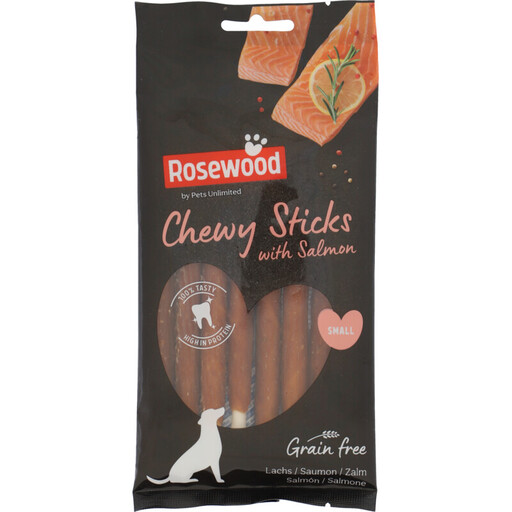
Why it fits the profile: This type of chew for dogs appeals to owners who want a dedicated chewing moment for a small dog and are willing to supervise actively.
The variant is explicitly labelled as small. Still, check whether the size and texture suit your dog, and supervise during chewing.
8 sticks, beef hide with dried salmon and, according to the product description, no grains, gluten, artificial colours, flavours or preservatives.
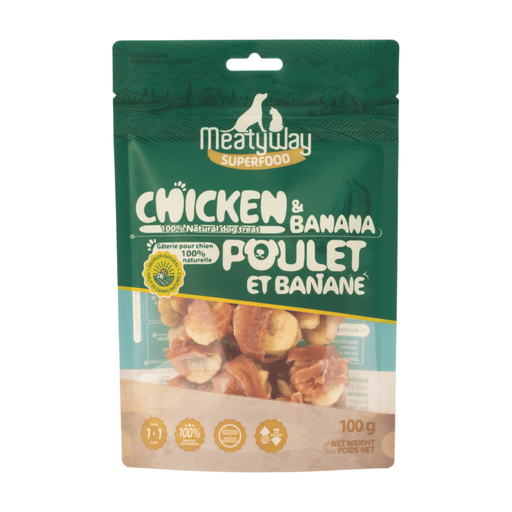
Why it fits the profile: This chicken dog treat is designed for owners who want a compact, jerky-style reward and prefer to adjust the portion size themselves.
The analytical data is specific: minimum 20% crude protein, minimum 5% crude fat, maximum 18% moisture and maximum 2% crude fibre.
100g content, chicken with banana, grain-free recipe and, according to the product description, no artificial additives, fillers or preservatives.
We’ve put together a full, up-to-date list of products that fully meet these strict selection criteria and comply with current European safety regulations.
That depends on weight, age, exercise and the energy content of the treat. Follow the feeding guidelines on the packaging and, if necessary, deduct extra calories from the main meal. A common rule of thumb is that treats should provide no more than 10% of daily calories.
Choose treats that are small in size or have a soft texture that you can easily break. Look for a clear weight indication, such as a variant for dogs up to 15 kg. Don’t give small dogs a large chew without checking that they can handle it safely.
No. According to product descriptions, some dental sticks may help clean teeth through chewing, but the effect varies from dog to dog. Supervision, the right size and regular dental care remain important. If you’re unsure about your dog’s teeth, ask your vet for advice.
