
Vandaag of morgen in huis

Kwaliteit gegarandeerd

Welkomstaanbiedingen ontgrendelen: GRATIS bezorging | Tot 80% korting | Gratis 30 dagen JoyPlus-proefperiode
Download de app
As a Product Recommendation Officer at Joybuy, I see the vast selection of dog treats available every day. The packaging makes all sorts of promises, but what is truly a good treat for your dog? It's easy to get lost in marketing terms or choose the wrong snack. Let's look at the most common pitfalls and how to avoid them, so you can make an informed choice.
The three biggest pitfalls when buying dog treats:
To avoid a bad purchase, you can pay attention to a few specific details. This will help you see past the marketing and focus on what really matters for your dog.
The ingredient list is your most important tool. Ingredients are listed in order of weight. A good rule of thumb is that a recognisable animal product (like chicken, beef, or duck) should be at the top of the list.
Not every treat serves the same purpose. Think about what you want to use the treat for.
Your dog's size and chewing power are crucial. A dachshund needs a very different type of treat than a Rottweiler. Pay attention to the manufacturer's recommendations for the dog's weight or size. For puppies and senior dogs, softer options are often available that are gentle on their teeth.
Based on the criteria above, we have selected a number of products that suit different needs and dog owners.
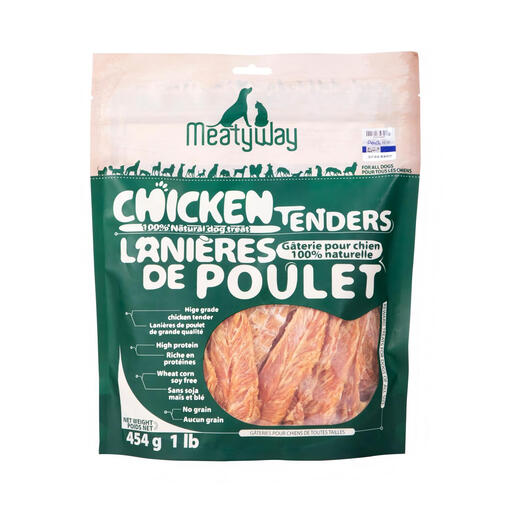
Why This Fits Their Persona: This owner is looking for healthy dog snacks with a simple, transparent composition. This jerky is a perfect match, with real chicken as the main ingredient and no unnecessary additives.
It bypasses the pitfall of hidden fillers. The ingredient list is short and clear: mainly chicken. No grains, no sugars, no vague by-products.
High protein content (min. 30%) and a soft texture. This makes the treat easy to break into smaller pieces, ideal as dog training treats.
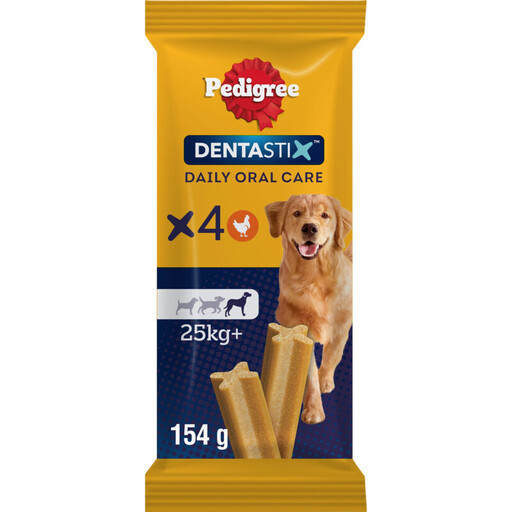
Why This Fits Their Persona: This owner is looking for an easy and consistent way to support their large dog's dental health. A daily dental stick is a simple routine.
This product is specifically developed for large dogs, thus avoiding the 'one-size-fits-all' pitfall. The size and texture are tailored to the jaws of a larger breed.
According to Pedigree, the unique X-shape and special texture help reduce tartar buildup by up to 80%. The product contains no added sugars.

Why This Fits Their Persona: Finding a safe and long-lasting dog chew snack for a small breed can be tricky. These sticks are specifically designed for smaller dogs and offer a good challenge.
This treat directly addresses the problem of incorrect size. The 'small' version is safe and suitable for the jaws of small dogs, which reduces the risk of choking or frustration.
The combination of rawhide and chicken provides extra-long chewing enjoyment. The recipe is also grain- and gluten-free, which improves digestibility.
We have compiled a complete, up-to-date list of products that fully meet these strict selection criteria.
A common guideline is that treats should not make up more than 10% of your dog's daily calorie intake. The exact amount depends on your dog's size, age, activity level, and the caloric value of the treat itself. Always consult the feeding guidelines on the packaging and adjust your dog's main meal accordingly if necessary.
Not for every dog. Grain-free dog treats are primarily beneficial for dogs with a diagnosed grain allergy or intolerance. For most dogs, good-quality grains in moderation are not a problem. It's more important to look at the overall composition and the quality of all ingredients than to focus solely on the term "grain-free".
Puppies have a strong need to chew, especially while teething. As soon as they are eating solid food, you can start with special, soft puppy treats. Hard chew bones are generally only recommended once their adult teeth have fully come in (around 6-8 months), to prevent dental damage. Always choose treats that are explicitly suitable for puppies.
