
Vandaag of morgen in huis

Kwaliteit gegarandeerd

Welkomstaanbiedingen ontgrendelen: GRATIS bezorging | Tot 80% korting | Gratis 30 dagen JoyPlus-proefperiode
Download de app
Rewarding, training or keeping your dog occupied sounds simple enough, but the range of dog treats, meat snacks and chews is vast. Packaging often boasts terms like “natural”, “grain-free” and “good for teeth”. Such descriptions only mean something when you also check the ingredients, nutritional values and usage instructions.
The right dog treats depend on your goal: a small bite during training calls for different qualities than a chew snack for dogs that enjoy a longer-lasting activity.
“Grain-free”, “natural” or “high in meat” does not automatically mean a treat is suitable for every dog. Always check the full ingredients list. For example, the Vitakraft Beef Original Lamb Stick states 92.5% meat and animal derivatives, including beef, pork and lamb. The treat also contains potato starch, rice and minerals.
Other products show ingredients in less detail. If exact percentages or analytical constituents are missing, it’s harder to compare nutritional value. So look beyond the front of the packet.
Chewing can contribute to mechanical cleaning, but claims about reducing plaque or tartar are the manufacturer’s product claims. According to the product description from Rosewood, chewing is intended to support teeth. That is not a substitute for regular dental check-ups or veterinary advice.
Also pay attention to shape and hardness. A product that is too large or too firm for a small dog may be unsuitable. Always supervise your dog while they chew.
Dog treats count towards the daily diet. For several products, it is stated that treats should make up no more than about 10% of daily calorie intake. If you give lots of small rewards during a training session, deduct that amount from their normal food.
A soft treat with high moisture content may be relatively low in calories per pack, but a dried meat snack or chew can be much more concentrated per gram.
For dog treats for training, small, soft or easily broken pieces are practical. You can adjust portions quickly and the training is interrupted less often. The MeatyWay Chicken Jerky Tender is described as a soft jerky that can be broken into smaller pieces. The stated analytical values are at least 30% crude protein, at least 15% crude fat and a maximum of 18% moisture.
For small dogs, size is especially important. A whole strip or firm bar can be too large. So check whether the treat is breakable or explicitly intended for small dogs.
Compare the first ingredients on the label. Look out for animal protein sources, grains, plant-based derivatives, sugars and added substances. “Grain-free dog treats” can still contain several starches or plant-based ingredients. Grain-free does not automatically mean simply formulated.
For a dog with a known intolerance, you must read the full ingredients list, even if the packaging states that the 14 main EU allergens are absent. That declaration does not rule out every individual sensitivity.
Soft dog treats and liquid treats often contain a lot of moisture. For example, the INABA Churu variants state a moisture content of around 88% to at least 90%. According to the usage instructions, opened tubes must be stored in the fridge and used within 24 hours.
That is a different usage pattern from dried treats. Check the storage instructions, best-before date and any resealable packaging with every purchase. Store opened dry treats in a cool, dry place and seal the packaging tightly.
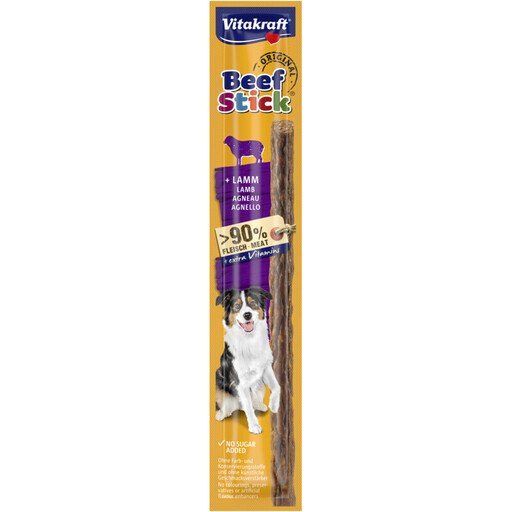
Why this fits the profile: The stick weighs 18 g and, according to the product specification, is easy to break into pieces. This means you can adjust the portion for a dog weighing 2 to 25 kg.
The ingredients list states the meat percentage and the individual starch sources, rather than just a general flavour claim.
92.5% meat and animal derivatives according to the ingredients; breakable stick with portion advice per weight category.
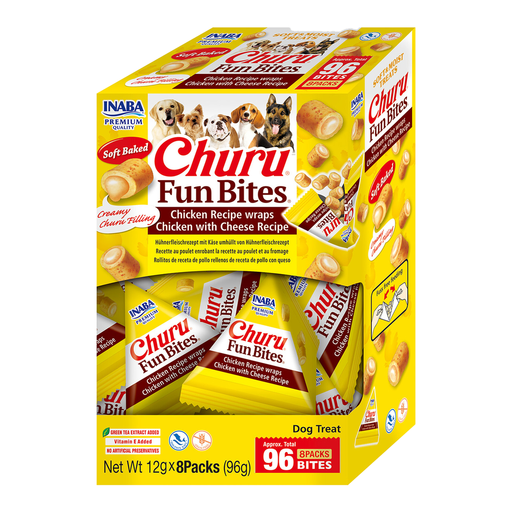
Why this fits the profile: The soft outer layer and creamy filling offer variety for dogs that turn their noses up at ordinary kibble-style rewards.
The pack contains 8 portions of 12 g each. This makes it easier to keep track of the amount than with a large loose bag.
72% moisture according to the product specification; at least 22% crude protein and a maximum of 3% crude fat.

Why this fits the profile: These dental sticks for dogs are designed for medium-sized dogs and suit a regular daily treat routine.
The size is linked to a medium-sized dog. This stops you from relying solely on a general dental care claim.
180 g pack; ingredients include cereals, vegetable protein extracts and 1% sodium hexametaphosphate according to the product information.
We have put together a full, up-to-date list of products that fully meet these strict selection criteria and comply with current European safety regulations.
That varies by weight, age, activity and body condition. A practical guideline on several product packs is that treats should provide a maximum of around 10% of daily calories. For small dogs, use smaller pieces and count all rewards during training.
Choose soft dog treats that are small or can be easily broken. INABA Bites and the soft MeatyWay jerky are described in the product information as suitable for rewarding and training. However, do check the nutritional values and do not automatically give the full recommended portion in one session.
According to product descriptions, chewing can help with mechanical cleaning, but the effect varies per dog and product. A chew does not replace daily checks or professional dental care. Choose a size that suits your dog and stay with them while they chew.
