
Vandaag of morgen in huis

Kwaliteit gegarandeerd

Welkomstaanbiedingen ontgrendelen: GRATIS bezorging | Tot 80% korting | Gratis 30 dagen JoyPlus-proefperiode
Download de app
Dog treats come in many forms: soft treats for training, little treats for between meals, chews for dogs and dental sticks for daily oral care. With so much choice, it’s not always easy to know what to pick. After all, attractive packaging tells you very little about whether a treat is right for your dog.
Look out for these three common pitfalls:
The right choice depends on when you want to give your dog a treat.
For training: choose small, soft pieces that your dog can eat quickly. This helps them stay focused on the exercise. Products that can be portioned or broken into smaller pieces are handy on walks and during obedience training.
For between meals: check the ingredients, fat content and recommended daily amount. A treat is not a substitute for complete dog food.
For chewing: consider the size, texture and your dog’s chewing habits. An enthusiastic chewer needs a different material from a dog that gently nibbles at a treat. Always supervise your dog and replace the product if it becomes damaged or breaks into small pieces.
For dental care: dental sticks for dogs can be part of a daily routine. According to information from Pedigree, certain Dentastix products can reduce tartar build-up by up to 80% when used daily. This is a brand claim; results may vary from dog to dog, and a treat is no substitute for a check-up or treatment from a vet.
A product label such as “for small dogs” often refers to a weight range. For example, Pedigree Dental Chews Small Dogs are intended for dogs weighing 5 to 10 kg and aged four months or over. The medium version is for medium-sized dogs, while the large version has a different size and portion.
Don’t just check the breed. Consider:
So, when choosing treats for small, medium-sized or large dogs, the size label is a practical safety guide, not just decorative product information.
Compare the ingredients list with your dog’s needs. INABA Fun Bites Dog Chicken Wraps Chicken with Sweet Potato, for example, lists chicken, chicken broth and sweet potato among its ingredients. According to the product information, the treat contains 82% moisture, 11.5% crude protein and 2.2% crude fat.
Another example is the INABA Churu Dog Multipack with chicken and seafood. According to the product specification, these tubes contain at least 90% moisture, 9.5% crude protein and 0.6% crude fat. This makes the texture suitable for feeding directly, as a topper or as a training reward, but it is still a complementary food.
Does your dog have an allergy or sensitivity? Check all the ingredients, not just the flavour name on the front. “With chicken” doesn’t automatically mean chicken is the only animal ingredient.
Soft dog treats and liquid treats often have different storage instructions from dry treats. The INABA products mentioned above should be refrigerated after opening and used within 24 hours. Some Pedigree products should be used within 14 days of opening.
So, check:
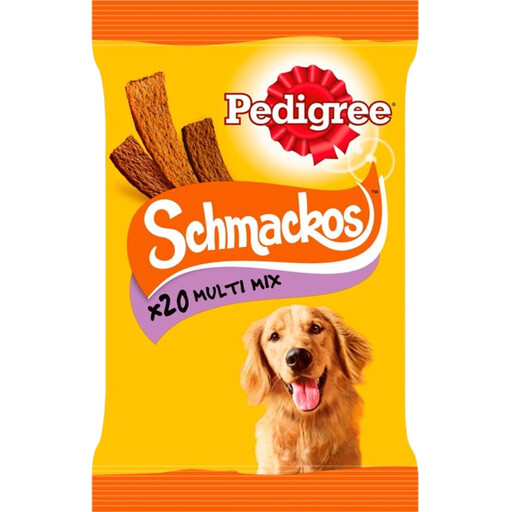
Why it suits this profile: The soft strips can be given whole or broken into smaller pieces for walks and straightforward training sessions.
The feeding guidelines give different amounts for small, medium-sized and large dogs, making it easier to choose the right portion.
Soft texture, suitable for adult dogs and can be given as a whole strip or as a smaller reward.
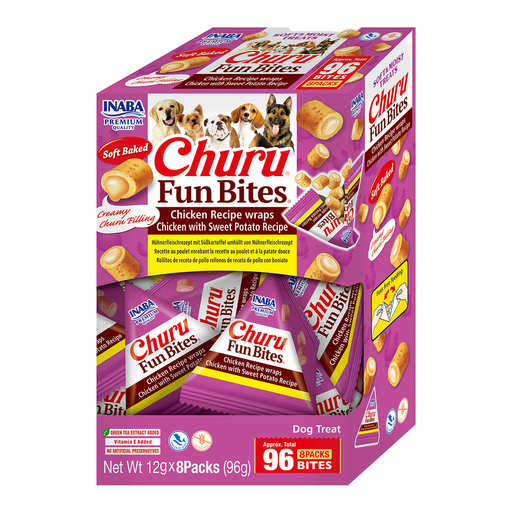
Why it suits this profile: The soft texture and portion-sized packaging are ideal for dogs who are given small, easy-to-serve rewards.
The product specification lists the moisture content, analytical constituents, ingredients and storage instructions, so you don’t have to rely on the flavour name alone.
40 g per pack, 82% moisture, with chicken and sweet potato listed as ingredients.
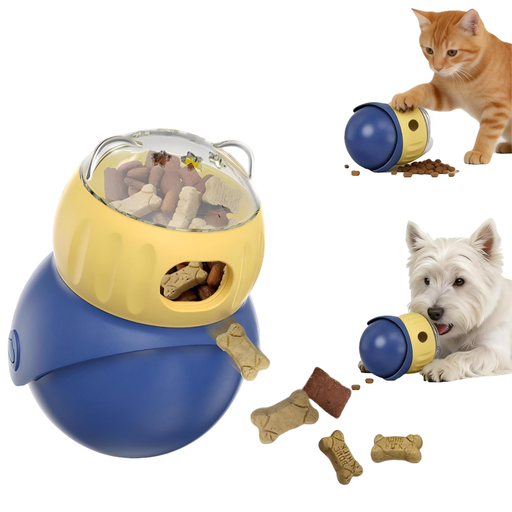
Why it suits this profile: A treat ball with an adjustable opening combines a dog toy with a way to dispense treats in measured amounts.
You’re choosing not just a treat, but also a controlled way to offer it. Start with a small amount and supervise your dog.
Slow-feeder function, adjustable treat dispenser and designed for small and medium-sized dogs.
We’ve put together a comprehensive, up-to-date list of products that meet these strict selection criteria and the applicable European safety regulations.
It depends on the product, your dog’s weight, age and activity level. Follow the feeding guidelines on the packaging and, as a general rule, make sure treats account for no more than about 10% of their daily calorie intake. Reduce their main meal if you give them several rewards.
Dental sticks can be part of a daily routine. According to Pedigree’s own research and product information, certain varieties are designed to help reduce tartar build-up. They’re no substitute for toothbrushing, a check-up or advice from a vet. Make sure you choose the right size and supervise your dog while they chew.
This varies by product. Some INABA treats should be refrigerated after opening and used within 24 hours. Many dry treats keep for longer, for example 14 days. Always follow the label and make sure the packaging is properly sealed.
