
Vandaag of morgen in huis

Kwaliteit gegarandeerd

Welkomstaanbiedingen ontgrendelen: GRATIS bezorging | Tot 80% korting | Gratis 30 dagen JoyPlus-proefperiode
Download de app
A new piece of dog toy may seem like a simple purchase, but the wrong choice can quickly end up in the cupboard. A small ball may be unsuitable for a large dog, a soft toy can tear within a day, and an interactive toy may require more maintenance than expected.
Pay particular attention to these three common pitfalls:
The activity determines which material makes sense. Dog chew toys are made from materials including natural rubber, TPR, latex, cotton and corduroy. Each material has different properties.
A product description may, for example, state that a surface helps remove dirt or plaque while chewing. Phrase this carefully: it does not replace regular dental care and does not have a medical effect.
Hold the toy next to your dog’s mouth when checking its size. It must not be so small that it can easily be swallowed. At the same time, a puppy should be able to grip it properly.
Examples:
With rope and plush products, seams, buttons, squeakers and loose threads require extra attention. A dog that pulls parts loose needs constant supervision.
A cheap toy that needs to be replaced quickly may ultimately cost more. Therefore, consider the following:
A dog treat dispenser, snuffle mat or puzzle toy also takes time to set up and clean. This is particularly relevant if you plan to use it every day.
The selection below links objective product information to familiar usage scenarios. The information is based on the available product descriptions and not on an independent performance test.
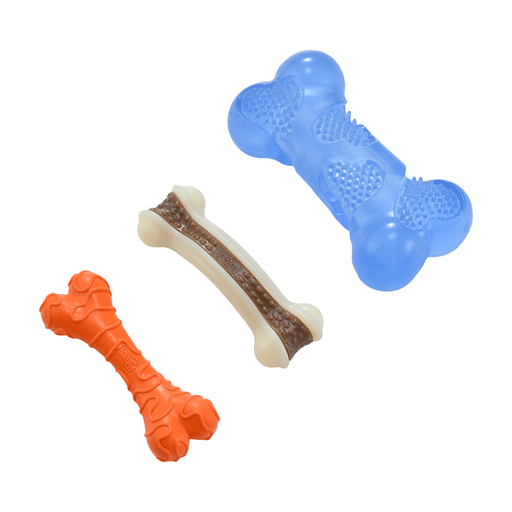
Why it suits this profile: This set combines chewing with throwing and tugging. According to the product description, sizes are available for small, medium-sized and large dogs. However, check the packaging before choosing a size.
The product information specifies the material, intended use, supervision requirements and wear checks. This makes it easier to compare than choosing based solely on an appealing shape.
Cheese-bone design, suitable for chewing and interactive play; rinse with water and leave to air-dry.

Why it suits this profile: According to the product description, this model is made from natural rubber and intended for dogs weighing up to approximately 15 kg. Its rolling and bouncing action makes it suitable for owners who want to combine physical and mental play.
The recommended target group and material are clearly stated. This helps prevent you from buying a large or hard toy without knowing whether it is suitable for your dog.
Natural rubber; suitable for snacks or xylitol-free peanut butter; clean with warm water and soap, according to the product information.
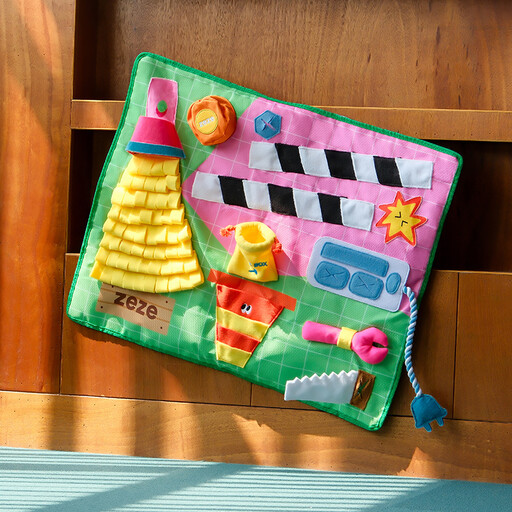
Why it suits this profile: This dog snuffle mat measures 70 × 57 cm and has various compartments and textures for hiding dry kibble or snacks. It is well suited to dogs that quickly lose interest in a standard ball.
The mat is not intended for dogs that swallow fabric or plastic. This warning makes it clear that supervision and regular inspection are required.
Large play area; multiple hiding spots; clean with a damp cloth and mild cleaning product.
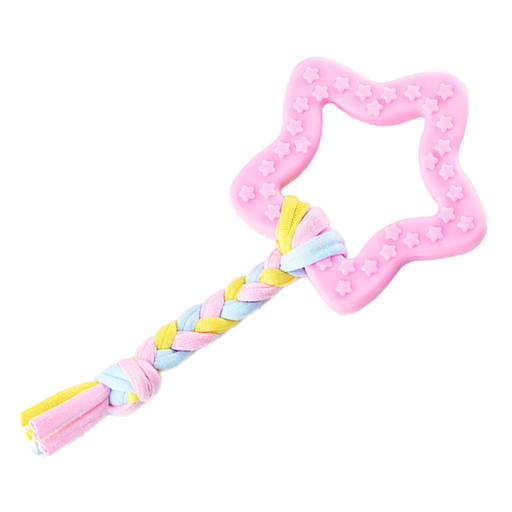
Why it suits this profile: The toy measures 16,5 × 8 cm and, according to the product information, is intended for puppies and small dogs. TPR and fabric support both chewing and tugging.
The target group is clearly defined. The product is not intended for medium-sized or large breeds, or for aggressive chewers.
Compact size; TPR and fabric combination; suitable for tugging, fetching and supervised chewing.
Check dog toys with squeakers, rope toys and rubber balls before and after play. Stop using them immediately if a seam splits, a squeaker becomes visible or a piece of material comes loose. Loose fibres from rope toys can be swallowed.
Rotate different types of toy:
Cat toys, such as teaser wands, should not be used by dogs either. Children are subject to different safety rules: plush toys with small eyes or noses are often unsuitable for children under three years old.
We have put together a complete, up-to-date list of products that fully meet these strict selection criteria and the applicable European safety regulations.
That depends on the material, how intensively the toy is used and your dog’s chewing behaviour. Soft plush may wear out more quickly than rubber, but rubber toys should also be replaced as soon as cracks or loose parts become visible. Check toys regularly rather than relying solely on a promised lifespan.
Search and treat-based games give a dog a task to complete. A snuffle mat, puzzle or treat dispenser may be suitable for short play sessions. According to product descriptions, such products can provide mental stimulation, but the effect varies from dog to dog. Start simply and stay with your dog while they play.
No. According to the product description, toys with a ridged or textured surface may help clean teeth while chewing, but they are not a substitute for daily care or advice from a vet. Also choose a size that your dog can handle safely and check the material regularly.
