
Vandaag of morgen in huis

Kwaliteit gegarandeerd

Welkomstaanbiedingen ontgrendelen: GRATIS bezorging | Tot 80% korting | Gratis 30 dagen JoyPlus-proefperiode
Download de app
A new toy can seem appealing because of its squeaker, eye-catching shape or promise of extra durability. However, not every piece of dog toy is suitable for every dog. A small latex toy may be suitable for a puppy but can quickly become damaged by a powerful chewer. A sturdy dog ball, meanwhile, may be too large or too hard for a small dog.
The most common purchasing pitfalls are:
Start by checking the material. Nylon and harder plastic constructions are often chosen as chew toys for dogs with a strong need to chew. Softer latex, TPR, fleece and plush can be more comfortable for puppies or dogs that mainly bite, tug and squeak.
Also check how the toy has been finished:
A hard chew stick is not automatically safe for every dog. Supervise your dog and replace the toy as soon as deep grooves, tears, loose parts or large broken-off pieces appear.
The size determines whether a dog can grip and carry the toy properly. For toys for small dogs and puppies, a suitable grip and a gentle bite are important. A toy that is too small could be swallowed, while one that is too large can be difficult to hold.
Pay attention to the product specifications, not just the photograph. Here are a few examples:
For toys for medium-sized dogs and larger breeds, portability is particularly important. Also check whether the supplier states that the product is suitable for powerful chewers. The dimensions given are no substitute for supervision or an assessment of your dog’s individual play style.
Choose dog toys according to their intended use. A dog rope is suitable for tugging and interaction, while fetch toys for dogs should mainly be light enough to throw and easy to pick up.
For mental stimulation, rolling toys with unpredictable movements or space for treats can be appealing. According to PetDreamHouse’s product description, the Chewtastic Geometrics toys are made from natural rubber and designed to roll, bounce and optionally be filled with treats. When using toys for food, always check that the food is suitable for dogs and supervise your pet.
A squeaky toy can attract attention, but the noise is not practical for every dog or household. So also check how the product should be cleaned and stored. According to the product information, latex toys are best kept away from direct sunlight and high temperatures.
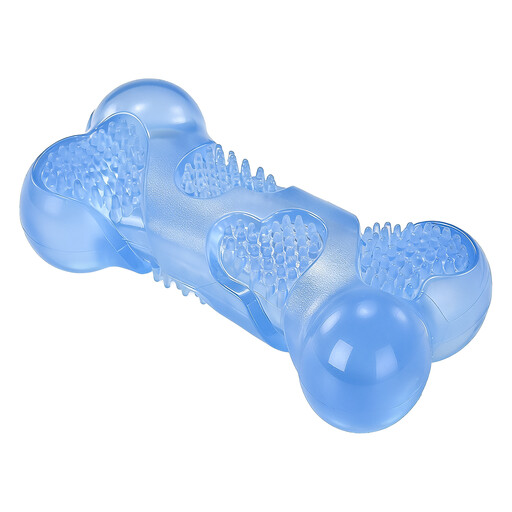
Why it suits this profile: This latex bone combines chewing with sound and, according to the product description, is intended for puppies and small dogs. That makes it a straightforward choice for anyone buying dog toys for the first time.
The product information specifies the material, sound and intended users. Before buying, however, check that your dog is comfortable with the size and latex.
Latex material, built-in squeaker and a bone shape that is easy to grip.

Why it suits this profile: For owners who want more than simply throwing and retrieving, this interactive dog toy offers rolling movement and space for treats, according to the product description.
Its function is not based solely on a marketing claim: the product information specifies natural rubber, an irregular rolling motion and openings that can be filled. Only use treats under supervision.
Natural rubber, a rolling and bouncing design, and suitable for adding kibble or dog-friendly filling.
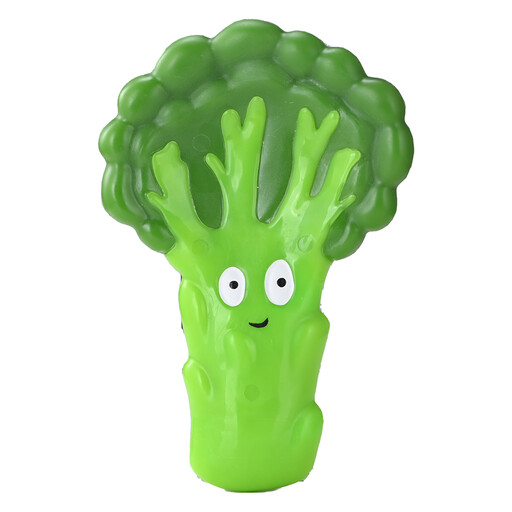
Why it suits this profile: According to the product information, this nylon chew toy is aimed at moderate to powerful chewers and measures 11 × 3.5 × 16.5 cm.
The recommended users and dimensions are clearly stated. However, the product is not indestructible: check the nylon regularly for breaks and deep wear.
Nylon construction, suitable for throwing and fetching, and a shape that is easy to grip according to the product information.
We have put together a complete, up-to-date list of products that fully meet these strict selection criteria and the applicable European safety regulations.
Even durable dog toys need to be checked regularly. Follow this routine:
A product described as helping with chewing or as a dental-care dog toy does not replace normal care or professional advice. Treat such descriptions as a product feature according to the supplier, not as a medical effect.
Choose a size that your puppy can grip comfortably and avoid small detachable parts. Softer latex or TPR may suit puppies and small dogs, while toys for powerful chewers are often harder and heavier. Always supervise your puppy, especially if they tend to swallow non-edible parts.
That depends on the material, frequency of use and chewing strength. A plush toy with a squeaker may wear out faster than a nylon chew toy, but nylon should also be replaced when damaged. Do not look only at the purchase price: a product used outdoors, exposed to moisture or chewed intensively every day will need checking more often.
A squeaker can encourage interaction, but it can become dangerous if your dog bites it out. Check the seams and openings regularly. Stop using the toy if the squeaker or loose filling is exposed, and choose another type of toy if your dog quickly pulls parts apart.
