
Vandaag of morgen in huis

Kwaliteit gegarandeerd

Welkomstaanbiedingen ontgrendelen: GRATIS bezorging | Tot 80% korting | Gratis 30 dagen JoyPlus-proefperiode
Download de app
A dog does not need the same toy for every type of play. A puppy wants something different from a strong chewer, while a dog living in a flat may benefit most from quiet interactive dog toys. If you focus only on a cheerful design or the word “indestructible”, you could easily end up making the wrong purchase.
As a Joybuy Product Recommendation Officer, I filter product information according to verifiable features such as size, material, use and care. This helps you see which types of dog toys suit your dog and what to look out for before buying.
A nylon toy may be suitable for dogs with a strong need to chew, but a fabric toy with a rope is not automatically designed for this. Even a sturdy product can be damaged by intense biting. Always check:
Replace the toy as soon as you notice cracks, fraying or loose parts. A product that lasts a long time with one dog may wear out more quickly with another.
Squeaky dog toys often attract attention, but some dogs will keep biting until they reach the squeaker mechanism. This can result in loose parts. Extra supervision is important for puppies and dogs that swallow objects.
A squeaky ball can be fun for a game of fetch, but do not use it as a substitute for training or exercise. In a flat with poor sound insulation, the noise may also be less practical.
A treat ball, snuffle mat or moving ball can help keep a dog occupied. However, how well it works depends on the dog, the environment and the way you introduce the product. According to the brands’ own product information, certain toys may help dogs use up energy or maintain their interest for longer; this does not guarantee that boredom, stress or separation problems will disappear.
Start with short play sessions and supervise your dog. Rotate toys instead of making them all available at once.
Size is a safety factor. A ball should not be so small that a dog could swallow it, but it should not be so large that the dog cannot carry it comfortably. When choosing dog toys for small dogs and dog toys for medium-sized dogs, check the stated dimensions rather than relying only on the product photo.
For example, the Blinkit football has a diameter of approximately 15 cm and, according to the product description, is recommended for small and medium-sized dogs. The warning states that this model is not intended for large dogs. Even if a toy set is described as being “for all breeds”, you should still compare it with your dog’s chewing strength and play behaviour.
Product descriptions may use terms such as “wear-resistant” or “chew-resistant”. Treat these as manufacturer-stated product features, not as a guarantee of unlimited durability.
Start by deciding what you want the toy to do:
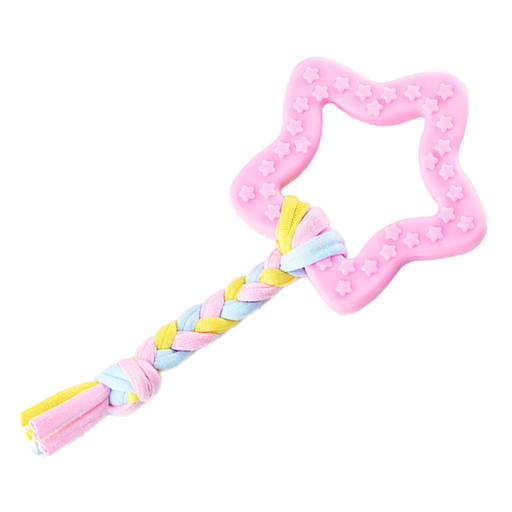
Why it suits this profile: Measuring 16.5 × 8 cm, this compact toy combines chewing and tugging and, according to the product information, is intended for puppies and small dogs.
The size and recommended target group are clearly stated. It is not intended for medium-sized or large dogs or strong chewers.
TPR and fabric; suitable for tugging, fetching and supervised chewing.
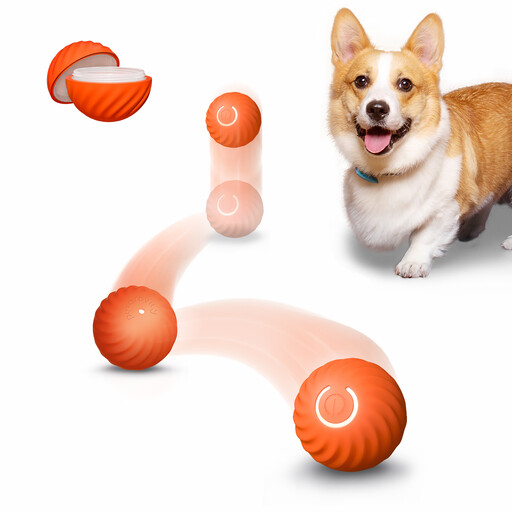
Why it suits this profile: An option for owners of small dogs who want to alternate exercise and independent indoor play.
The target group, two play modes and USB-C charging function are specified. The toy is not intended for aggressive chewers.
Random movements; replaceable plush cover; rechargeable via USB-C.
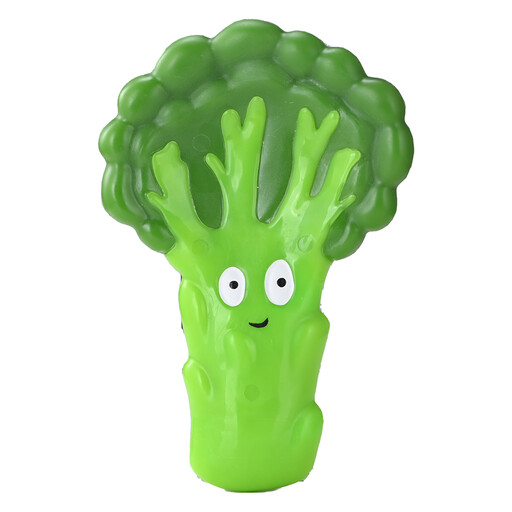
Why it suits this profile: According to the product information, the nylon version is intended for dogs with moderate to strong chewing needs.
The dimensions of 11 × 3.5 × 16.5 cm and the nylon material are clearly stated. Even so, check the product regularly for signs of wear.
Nylon construction; suitable for chewing and games of fetch; textured surface.
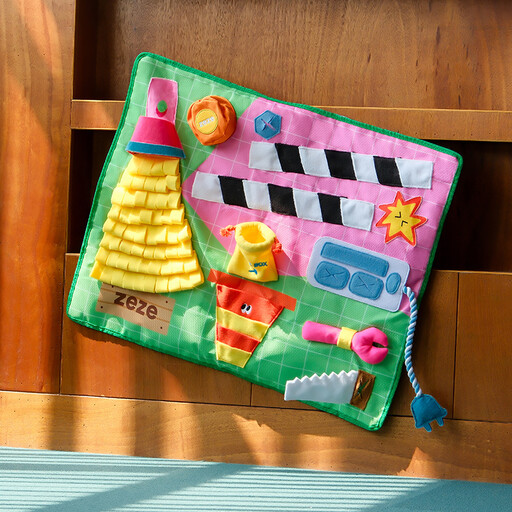
Why it suits this profile: This snuffle mat for dogs provides an indoor searching activity, for example on rainy days or in a smaller home.
The mat is intended for dry food or treats and requires supervision. This makes it clear that it is not an unattended chew toy.
Size of 70 × 57 cm; multiple pockets, folds and textures for searching games.
Let your dog sniff and explore new dog toys calmly at first. When playing tug or fetch, you control the intensity. Check before and after use for:
Wash latex or plastic according to the product instructions and allow it to dry completely. A snuffle mat should be shaken out or spot-cleaned regularly. Do not use water on the motor or battery compartment of electronic toys. Store toys in a dry place away from direct sunlight.
We have put together a complete, up-to-date list of products that fully meet these strict selection criteria and the applicable European safety regulations.
Choose a size that the puppy can hold comfortably and avoid small loose parts. Softer materials such as TPR or latex may be suitable for puppies, but check the toy regularly. A squeaky toy requires extra supervision if the puppy tries to chew the squeaker.
This depends on the material, how long the toy is used and the dog’s chewing strength. There is no fixed lifespan. A fabric toy may wear out more quickly with intensive use than nylon, while nylon must also be replaced if it develops deep grooves or broken-off pieces. Inspection is more important than a claim on the packaging.
Interactive dog toys, treat balls and snuffle mats can keep a dog occupied with searching, moving or fetching. Use them as part of a daily routine that includes walks, training and interaction. Toys alone are not a solution for persistent anxiety or problem behaviour.
