
Vandaag of morgen in huis

Kwaliteit gegarandeerd

Welkomstaanbiedingen ontgrendelen: GRATIS bezorging | Tot 80% korting | Gratis 30 dagen JoyPlus-proefperiode
Download de app
A new toy often looks appealing because of its bright colour, squeaky sound or promise of extra-long durability. Yet plenty of dog toys end up in the bin before long. The reason is usually not just about quality, but also about a poor match with the dog.
A small dog may struggle with a fetch toy that is too big. A strong chewer can rip open soft plush in no time. And a toy with lots of loose parts requires more supervision than the product photo sometimes suggests. With these practical checks, you can make a more informed choice from dog toys, whether you are looking for chew toys for dogs or interactive dog toys.
A product may be described as suitable for all breeds, but that doesn’t tell you enough about size, jaw strength and play style. Always check the dimensions and the recommended weight or type of dog. Especially for toys for small and medium-sized dogs, a difference of just a few centimetres can determine whether it is safe to hold and carry.
Nylon, rubber and sturdy woven fabrics can last longer than thin plush, but no toy is guaranteed to withstand every dog. With intensive chewing, tears, fraying or broken pieces can occur. Check the toy before and after use, and replace it as soon as parts come loose.
Textures and ridges can make contact with the tooth surface during chewing. That is a product feature, not a guarantee of a clean mouth. Therefore, use dog toys for dental cleaning as a supplement, and follow your vet’s advice if you have concerns about your dog’s teeth. Claims about dental care in product information should be read as a description of the design’s function, not as a medical promise.
Choose the material based on your dog’s behaviour:
Pay attention to the concrete information about material, dimensions and warnings. A label like “durable dog toy” usually refers to the construction or material; the actual lifespan depends on use and chewing strength.
A toy needs to be large enough not to disappear easily into the mouth, but also remain manageable. Look at:
A ball of 6 cm can work out differently for a small dog than for a medium-sized dog. With electronic products, the cable is also a point to watch: charging cables should stay out of the animal’s reach.
First, think about what you want to do with the toy:
Washable balls are practical for outdoor use. A snuffle mat, on the other hand, often needs shaking out, vacuuming and spot cleaning. Always follow the product’s care instructions.
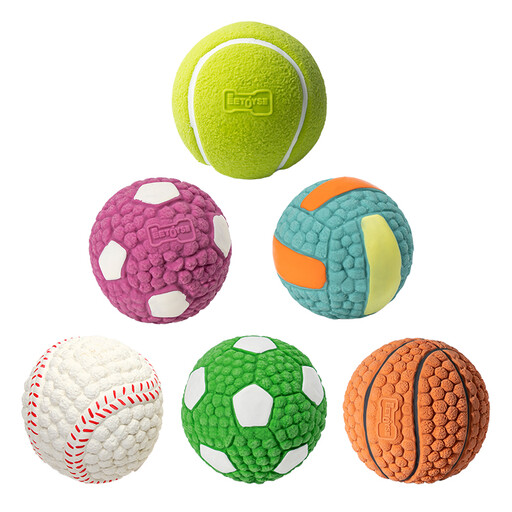
Why this fits the profile: A set of six balls offers variety for indoors, outdoors and fetching. According to the product information, the balls are washable and have a diameter of 6 to 7.5 cm.
The dimensions and material are clearly stated. Do not use the balls without supervision with a dog that chews strongly.
Six soft latex balls, squeaky sound, texture for chewing and cleaning with water.

Why this fits the profile: This natural rubber shape is designed for small and medium-sized dogs up to about 15 kg and can be filled with kibble or xylitol-free peanut butter.
The recommended dog size is described more specifically than just “for all breeds”. The shape should still be compared with the jaw size before purchase.
Unpredictable rolling and bouncing, fillable openings and cleaning with warm soapy water or on the top rack of the dishwasher.
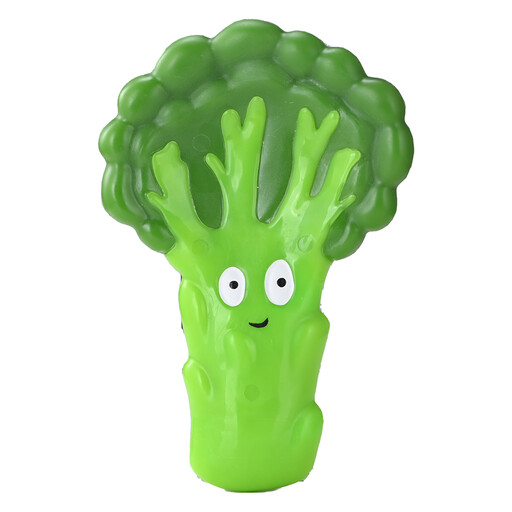
Why this fits the profile: According to the product information, the nylon version is intended for dogs with a medium to strong chewing need and measures 11 × 3.5 × 16.5 cm.
The material and target group are specified. This toy is also not indestructible: stop using it immediately if tears or loose parts appear.
Nylon material, suitable for throwing and fetching, with a ribbed shape for chewing play.
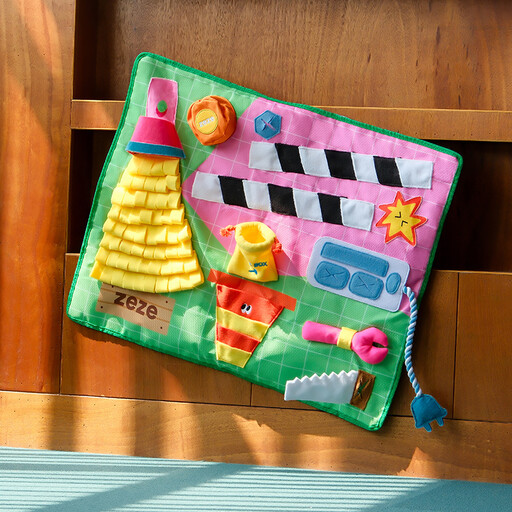
Why this fits the profile: Hide dry kibble or treats in the pockets, folds and textures of this mat measuring 70 × 57 cm. This creates a searching game for dogs that quickly finish simple toys.
The mat is not a chew toy and comes with clear instructions for supervision. This prevents a dog from swallowing fabric, rope or plastic parts.
Multiple hiding places, scent game and a size suitable for indoor use.
We have put together a full, up-to-date list of products that fully meet these strict selection criteria and comply with current European safety regulations.
First, look at nylon or sturdy rubber and check the dimensions. A product suitable for medium to strong chewers can be a logical choice, but supervision remains essential. Replace the toy if there are tears, sharp edges or loose pieces.
That depends on the material, play duration and chewing behaviour. A toy for gentle fetching can last longer than the same product with daily intensive chewing. Check the toy regularly instead of relying only on terms like “chew-resistant” or “durable”.
Washable rubber or latex balls can usually be cleaned with water. A snuffle mat typically needs shaking out, vacuuming or spot cleaning according to the label. Let each toy dry completely and do not use harsh cleaning agents unless the product instructions explicitly allow it.
