
Vandaag of morgen in huis

Kwaliteit gegarandeerd

Welkomstaanbiedingen ontgrendelen: GRATIS bezorging | Tot 80% korting | Gratis 30 dagen JoyPlus-proefperiode
Download de app
Dog toys need to suit your dog's size, play style and bite strength. Yet many product descriptions focus mainly on eye-catching colours, sounds or promises about durability. As a result, a toy can end up being too small, tear quickly or barely get used in practice.
When buying, pay particular attention to three common pitfalls:
Chew toys for dogs should match your dog's bite strength. For puppies and small dogs, soft latex or TPR can be easy to grip. A dog that chews firmly will benefit more from a product made of nylon or thick natural rubber. A fabric toy can be suitable for fetching or playing together, but it isn't automatically suitable for prolonged independent chewing.
Therefore, check:
According to the product description, the Blinkit Pink Star Dog Rope Toy is made from TPR and fabric and is intended for puppies and small dogs. The same description warns that the toy is not suitable for medium or large breeds and strong chewers. These kinds of limitations are more important than a cheerful design.
A ball or chew toy needs to be large enough not to disappear entirely into the back of the mouth, but it should also remain manageable. Don't just look at the diameter. Also pay attention to the shape, weight and the presence of a handle, loop or rope.
For example:
Always supervise your dog with a toy if they tend to bite off pieces or swallow non-edible objects.
First, choose the purpose. Dental dog toys can make contact with teeth and gums through their textures during chewing, but they do not replace dental care or veterinary advice. Brand descriptions about reducing plaque or tartar are product claims; therefore, do not regard them as guaranteed medical effects.
For different needs, there are, among others:
A product with multiple functions is not automatically a better purchase. A toy that your dog actually uses safely is worth more than a product with features that don't match their behaviour.
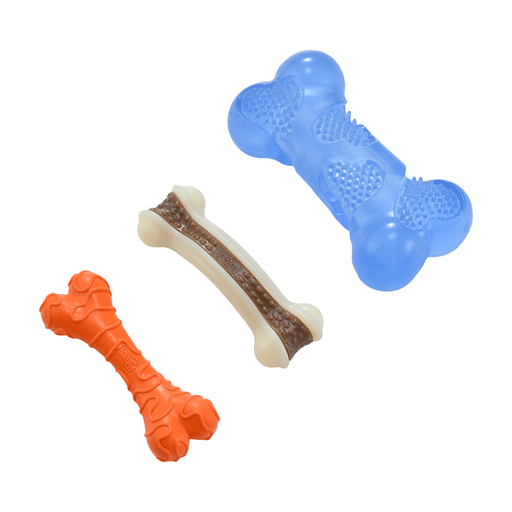
Why this fits the profile: The set combines chewing with tugging and throwing. According to the product information, there are sizes for small, medium and large dogs; however, check the exact variant on the product page.
The product description mentions the material, supervision during use and checking for wear. This allows you to better tailor your choice to size and chewing behaviour.
Cheese and bone shapes; suitable for chewing, throwing and tugging; rinse with water according to the usage information.
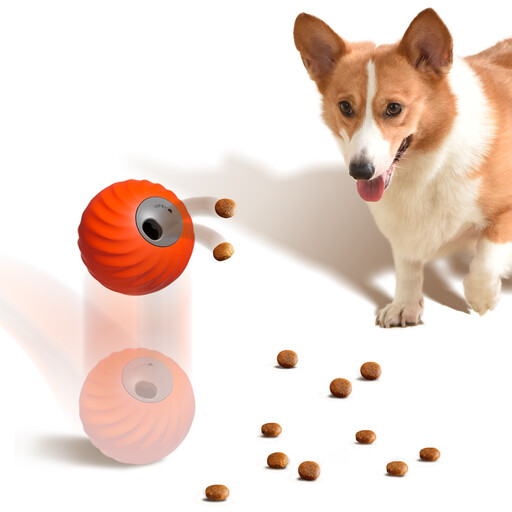
Why this fits the profile: This model combines moving interaction with a treat-dispensing function. The ball has two play modes, a size of 72 mm and a rechargeable USB-C connection.
The functions are clearly described: two modes, a treat compartment and a replaceable plush cover. The electronic components do require supervision and dry use.
Mental challenge via treats; USB-C rechargeable; replaceable cover according to the product description.
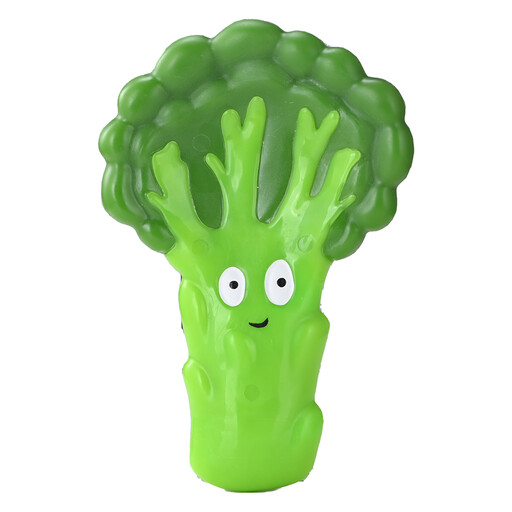
Why this fits the profile: According to the product information, this nylon chew toy is intended for medium to strong-chewing dogs. The shape is suitable for holding, throwing and fetching.
The description explicitly mentions nylon, dimensions and the target audience. This is clearer than a general claim about bite resistance without technical details.
Nylon construction; dimensions of 11 × 3.5 × 16.5 cm; suitable for chewing and fetch games.
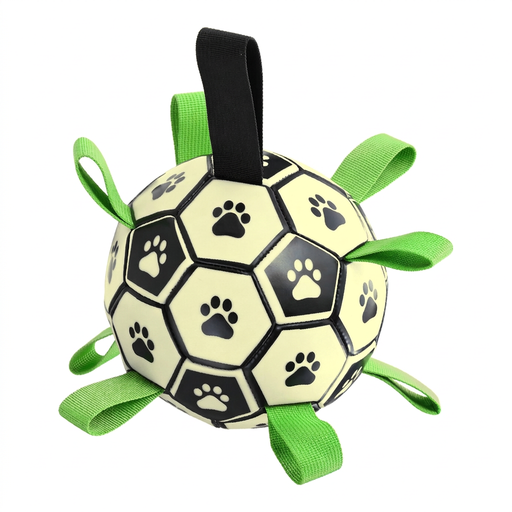
Why this fits the profile: The ball, approximately 15 cm, has a nylon handle for throwing and tugging. According to the product description, it is intended for use on land and in shallow water with small and medium-sized dogs.
The size and recommended dog sizes are stated. Additionally, check the handle for loosening and do not use the toy for dogs for which the size is unsuitable.
Glow-in-the-dark effect; nylon handle; according to the product information, suitable for land and water use.
We have compiled a full, up-to-date list of products that fully meet these strict selection criteria and current European safety regulations.
Even durable dog toys need maintenance. Check the toy before and after use for tears, loose threads, exposed squeakers or broken pieces. Replace it as soon as your dog manages to remove material or if swallowing becomes possible.
Practical habits help:
The lifespan varies greatly depending on the dog. A calm fetcher can use the same toy much longer than a dog that chews in one spot for hours. Therefore, look at the condition of the product, not just the purchase date.
Choose a size that the puppy can hold comfortably and avoid hard or overly large products. A squeaky dog toy can encourage interaction, but regularly check that the squeaker and seams are still intact. Supervise new toys at first.
Replace them as soon as you see tears, sharp edges, loose pieces, exposed stuffing or a detached squeaker. With strong chewers, this can happen more quickly than with dogs that mainly fetch.
Electronic models need to be charged and kept dry. A snack ball should be cleaned after use to remove food residue. Simple rubber balls and chew toys generally require less maintenance, but they should still be rinsed and checked regularly.
