
Vandaag of morgen in huis

Kwaliteit gegarandeerd

Welkomstaanbiedingen ontgrendelen: GRATIS bezorging | Tot 80% korting | Gratis 30 dagen JoyPlus-proefperiode
Download de app
As a dog owner, you naturally want to spoil your four-legged friend with a new toy. But the enormous selection can be overwhelming. The shelves are filled with products that promise the world. Unfortunately, this often leads to disappointment: an "indestructible" toy that's broken in ten minutes, or an expensive interactive toy that your dog completely ignores.
Before you spend money on another bad buy, it's helpful to recognise the most common pitfalls.
dog toys for boredom for smart or energetic dogs.You don't need to be a product engineer to make a good choice. By paying attention to a few key specifications, you can easily separate the wheat from the chaff.
The material determines the toy's lifespan and safety. Always choose a material that suits your dog's chewing style.
strong chew toys for dogs. It's flexible, resilient, and generally safe for teeth. Ideal for the average to heavy chewer.Durable dog toys made of rope are often tightly and thickly woven.A dog needs more than just physical exercise. Interactive dog toys challenge your dog mentally and combat boredom. Consider these options:
Safety comes first. Always check a toy for the following points:
puppy toys, choose items specifically designed for baby teeth: softer and without loose components.Based on these criteria, we have selected a number of products that suit different types of dogs and their owners.
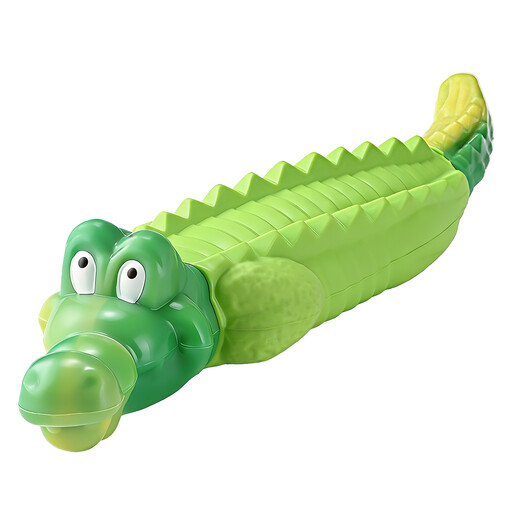
Why This Fits Their Persona: For dogs that chew through most toys like they're butter. This toy is specifically designed for the bite force of medium and large dogs.
This product bypasses the "indestructible" myth by using a dual-layer structure: a hard nylon core with a tough yet softer outer layer of natural rubber. This provides resistance without being too hard on their teeth.
The combination of nylon and rubber offers long-lasting chewing satisfaction. The textured crocodile shape is easy to grip and keeps the dog engaged.

Why This Fits Their Persona: Ideal for dogs that get bored quickly and need a mental challenge. This toy keeps the dog independently occupied when you don't have time to play.
This is not a passive toy. According to the manufacturer, the ball uses a smart algorithm for random jumps and bounces. This prevents predictability and keeps the dog engaged longer than a standard ball.
It offers two play modes and is rechargeable via USB-C. The plush cover is replaceable, extending the toy's lifespan and fun.
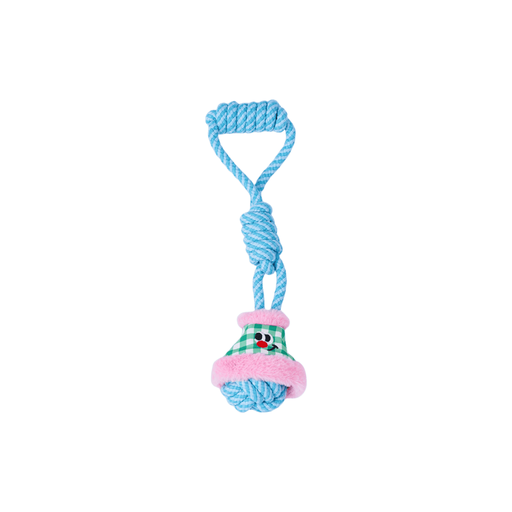
Why This Fits Their Persona: For puppies and adult dogs that prefer to cuddle and play gently rather than destroy. This toy offers various textures and sounds for sensory stimulation.
This toy avoids the pitfall of hidden dangers with its thoughtful design. It combines plush, rope, and crinkle paper in a sturdy, knitted structure. The crinkle paper cap is detachable for varied play.
The mix of materials provides a rich sensory experience. The spherical knitted structure is designed to be chew-resistant for gentle to moderate chewers.
We've curated a complete, up-to-date list of products that meet these selection criteria and current safety standards.
Always check the material (choose non-toxic options like natural rubber or nylon from a reputable brand), the size (it should not fit in their throat), and the construction. Avoid toys with small, glued-on, or easily detachable parts. Read the manufacturer's product description and safety warnings.
There's no fixed rule; it depends on the toy's quality and your dog's chewing intensity. Inspect toys weekly for cracks, loose pieces, or sharp edges. Discard a toy as soon as it becomes damaged or small enough to pose a choking hazard.
Choose puppy toys specifically made for teething. These are often made of softer rubber or latex to be gentle on sensitive gums. Ensure the toy has no small parts that a puppy could swallow. Toys with different textures can help soothe the pain of teething.
