
Vandaag of morgen in huis

Kwaliteit gegarandeerd

Welkomstaanbiedingen ontgrendelen: GRATIS bezorging | Tot 80% korting | Gratis 30 dagen JoyPlus-proefperiode
Download de app
A dog can chew through a toy within days, while treats can quietly account for a significant share of its daily calorie intake. When choosing dog toys and dog treats, the decision is therefore about more than colour, shape or attractive packaging. Material, size, ingredients and supervision all determine whether a product is suitable for your dog.
Pay particular attention to these common pitfalls:
Check whether the product description clearly states the material. Common options include TPR, natural rubber, cotton, latex, plush and woven fabric. TPR and rubber offer flexibility, while rope and fabric provide additional grip for tugging and retrieving games.
A combination of materials can be appealing, but it does not automatically mean the toy is suitable for a powerful chewer. Check seams, knots, squeakers and loose threads before and after use. Stop using the toy immediately if it tears, frays or its filling becomes visible.
Check the dimensions and the recommended dog size. The Blinkit Pink Star, for example, measures 16.5 × 8 cm and is recommended in the product information for puppies and small dogs. The same toy is therefore not automatically suitable as a dog toy for small and medium-sized dogs.
A dog that plays gently may enjoy a plush toy or squeaky dog toy. A determined chewer is more likely to need a robust rubber design. Even then, supervision remains essential.
Interactive dog toys are designed for shared play, such as tugging, rolling, fetching or searching for a hidden treat. A dog rope or ball can therefore encourage more engagement than a toy that simply lies on the floor.
Do not use toys as a substitute for exercise or training. Rotate different toys and put some away temporarily. This often helps maintain interest and makes it easier to monitor wear and tear.
Always check the following when buying treats:
For daily dental care, options include dog dental sticks, dog chew sticks and chew treats made from rawhide or other ingredients. According to Pedigree’s product information, Dentastix for medium-sized dogs can reduce tartar formation by up to 80%. This is a claim from Pedigree’s own product information and is not a guarantee for every dog.
Supervision remains important when giving a dental stick. Choose a chew product suited to your dog’s size and always provide fresh drinking water. According to the product information for several of the products mentioned, treats should account for no more than approximately 10% of daily calorie intake unless a vet advises otherwise.
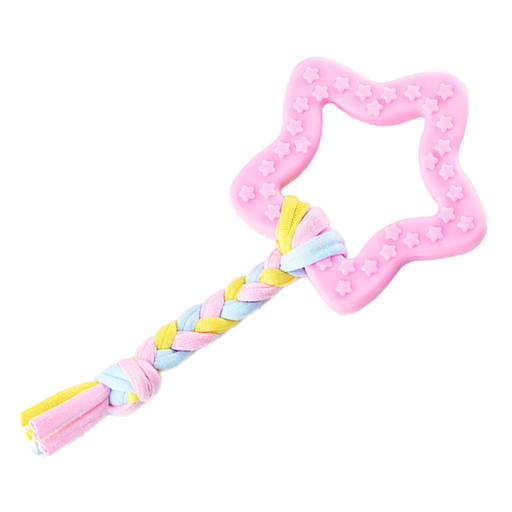
Why This Fits Their Persona: A straightforward toy for puppies and small dogs learning to tug, fetch and chew independently at home.
The recommended use and dimensions are clearly stated, making it easier to assess whether the toy suits a small dog rather than judging by appearance alone.
TPR and fabric; suitable for tugging and chewing; dimensions of 16.5 × 8 cm.
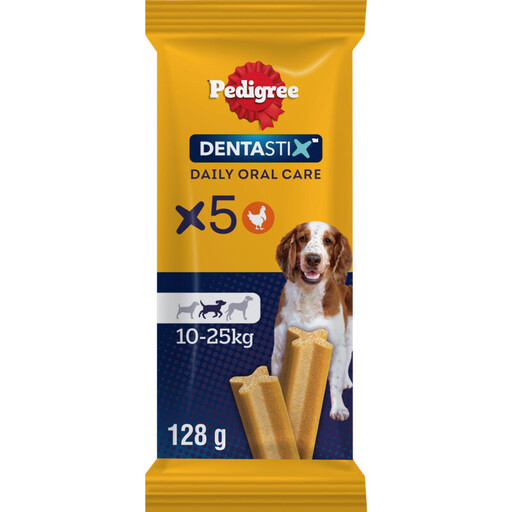
Why This Fits Their Persona: For owners of medium-sized dogs looking for a daily supplementary chew and wanting to plan portions with confidence.
The product information specifies the target group, the minimum age of 4 months and one chew per day for medium-sized dogs.
No added sugars according to the product information; packaging and storage guidance are provided.
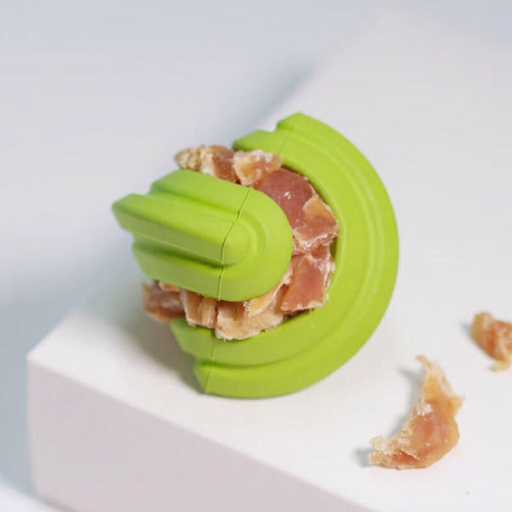
Why This Fits Their Persona: For dogs that love rolling, chewing and searching for a hidden reward, both indoors and outdoors.
The product information specifies natural rubber and advises removing the toy if it becomes cracked or damaged.
Natural rubber; suitable for filling with treats or peanut butter according to the product description; rolling and bouncing design.
Wash toys according to the product instructions and allow them to dry completely. A dog rope can retain moisture and dirt, so store it in a dry place and check the fibres regularly. With squeaky dog toys, pay particular attention to any squeaker that has come loose.
When introducing new treats, start with a small quantity if your dog is sensitive to dietary changes. Check the ingredients if your dog has known allergies. Products such as Rosewood Trio Sticks and Rosewood Chicken Fillets contain beef hide and chicken, among other ingredients, according to the product information. This does not automatically make them suitable for dogs sensitive to either ingredient.
Browse a current selection of products and compare dog toys, dog treats and supplementary gifts for dog owners based on size, material and intended use.
It depends on the material, play style and intensity of chewing. Plush toys may wear out faster than rubber toys, but rubber toys are not designed to last indefinitely either. Inspect the product before every use and replace it as soon as seams, threads, filling or other parts begin to come loose.
According to the product information, dental sticks can contribute to daily oral care, but they do not replace a complete dental check-up. Their effectiveness varies from dog to dog. If problems persist or you are unsure what to do, ask a vet for advice.
First follow the feeding guidance on the packaging and consider your dog’s size, age, activity level and regular diet. As a general guideline, several product descriptions state that treats should provide no more than 10% of daily calorie intake. Adjust your dog’s meal if necessary and always provide fresh water.
