
Vandaag of morgen in huis

Kwaliteit gegarandeerd

Welkomstaanbiedingen ontgrendelen: GRATIS bezorging | Tot 80% korting | Gratis 30 dagen JoyPlus-proefperiode
Download de app
A dog can enjoy a toy or chew for hours, but not every product is suitable for every set of teeth, body weight or play style. A small latex toy may be appropriate for a puppy, while an enthusiastic chewer could destroy it in no time. A dental stick is also no substitute for brushing your dog’s teeth or having them checked by a veterinarian.
In this buying guide to dog toys and chews, you’ll learn what to look for, which marketing claims to assess critically and which type of product is best suited to your dog.
Terms such as “chew-proof”, “extra strong” and “durable” mean little without clear information about the material, dimensions and safety warnings. A rubber ball may be sturdy enough for a small dog but unsuitable for a large dog with a powerful bite.
Always check:
Inspect the toy before and after use. Cracks, loose threads, exposed squeakers or broken-off pieces are all reasons to remove it immediately.
Dog toys with squeakers often attract attention, but sound alone does not provide enough exercise or mental stimulation. Some dogs quickly lose interest, while others will focus on trying to remove the squeaker.
A squeaky toy generally works better when combined with fetch, a short game of tug or a scent-search activity. Use it under supervision, especially with puppies and dogs that tend to bite toys open.
Dental sticks, dog chew bones and other treats all contribute calories. Check the nutritional information and follow the recommended daily amount. Product information for various treats states that snacks should account for no more than approximately 10% of a dog’s daily calorie intake. Adjust the main meal if necessary.
Claims about reducing plaque or tartar are also brand claims. According to information provided by Pedigree, daily use of Dentastix can reduce tartar formation by up to 80%. This is a claim made by the brand, not a guarantee for every dog. A treat does not replace tooth brushing, dental check-ups or veterinary treatment.
For dog toys for small dogs and puppies, a moderate size and flexible construction are important. A toy that is too large can be difficult to grip. A component that is too small could be swallowed.
Consider the combination of:
A chew should be appropriate for the weight range stated on the packaging. According to the product information, Pedigree Dog Dental Chews Small Dogs are intended for dogs weighing 5 to 10 kg from 4 months of age. The medium variant is intended for dogs weighing 10 to 25 kg.
Latex and TPR are flexible materials commonly used for dog chew toys. Natural rubber is well suited to toys designed to hold kibble or treats. Rope can be engaging for games of tug, but loose fibres should be removed as soon as the material begins to fray.
Also check the cleaning instructions:
A clean toy is more pleasant to use, but replacing worn toys regularly is more important than simply cleaning them.
Choose a product based on its intended purpose:
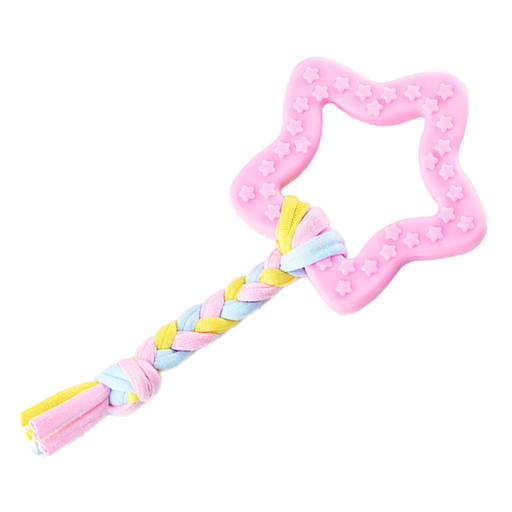
Why This Fits Their Persona: An accessible toy for puppies and small dogs that need variety between chewing and short games of tug or fetch.
The product information clearly states a size of 16.5 × 8 cm and warns that it is not intended for strong chewers or medium to large breeds.
TPR and fabric construction; suitable for tug, fetch and chewing; inspect the material regularly for signs of wear.

Why This Fits Their Persona: For owners looking to add mental stimulation to chewing during indoor or outdoor play.
The description specifies natural rubber, a recommended weight of up to approximately 15 kg and the option to hide treats inside. Supervision is still required.
Unpredictable rolling and bouncing; suitable for kibble or xylitol-free peanut butter; washable according to the product information.
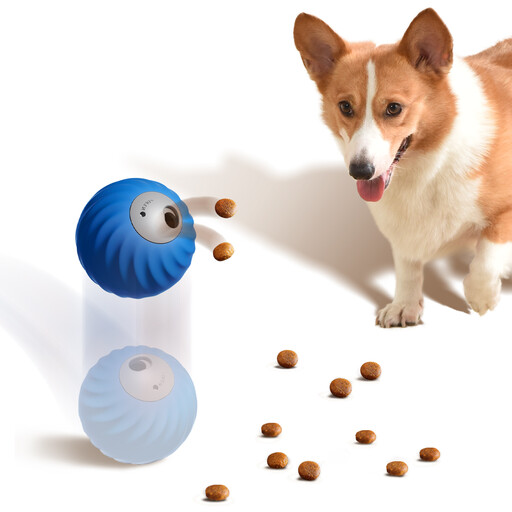
Why This Fits Their Persona: For dogs that get bored easily and benefit from a food dispenser combining movement with foraging.
The description lists two play modes, a treat compartment and rechargeable USB-C functionality. The product should be monitored during use.
Electronic movement; treat dispenser; rechargeable via USB-C. Keep the charging port dry and remove the product if it becomes damaged.

Why This Fits Their Persona: For owners of small dogs who want to add a daily chewing moment to their care routine.
The packaging specifies a target weight of 5–10 kg, a feeding recommendation of one stick per day and a shelf life of 14 days after opening.
X-shape and stated texture; 110 g pack; according to the product information, less than 2% fat and no artificial colourings, preservatives or flavourings.
Browse a current selection of dog chew toys and compare materials, sizes and intended uses before placing your order.
A ridged or textured toy can come into contact with parts of the teeth while your dog chews. According to product descriptions from some brands, this may help remove surface debris or massage the gums. The effect varies from dog to dog and does not replace brushing with suitable dog toothpaste.
This depends on the material, size and bite strength. Soft latex or plush toys may wear out more quickly when used by a powerful chewer than a rubber toy. There is no fixed lifespan. Replace the product as soon as you notice cracks, loose threads, leaking filling or any other damage.
In addition to the purchase price, you’ll need to account for the treats or kibble used to fill the ball. Ideally, use part of your dog’s regular daily portion rather than adding extra food. This allows the treat ball to provide enrichment without unintentionally increasing your dog’s total calorie intake.
