
Vandaag of morgen in huis

Kwaliteit gegarandeerd

Welkomstaanbiedingen ontgrendelen: GRATIS bezorging | Tot 80% korting | Gratis 30 dagen JoyPlus-proefperiode
Download de app
As a dog owner, you naturally want the very best for your four-legged friend. But the market for dog supplies can be overwhelming. Packaging with attractive promises and an endless selection of dog food, treats, and grooming products make it difficult to determine what your dog truly needs. This guide will help you make the right choices, without falling for marketing ploys.
Before you fill your shopping cart, it's wise to consider a few common missteps. By recognising these, you'll not only save money but also safeguard your dog's health and well-being.
dog food are not legally protected. They say little about the actual quality. A high price does not automatically mean better nutrition. The focus should be on the ingredient list, not the marketing claims.dog treats are marketed as a universal reward. But a treat suitable for a Great Dane can be a choking hazard for a Chihuahua. Furthermore, not all dental chews for dogs are equally beneficial for dental health; some are too hard and can damage teeth.puppy food to a senior dog (or vice versa) can lead to a deficiency or an excess of certain nutrients, resulting in joint or weight problems.To see through the marketing messages, it's best to focus on a few objective specifications. These three points provide a solid foundation for any purchase.
The order of ingredients on the packaging is crucial. The ingredient listed first is the most abundant. Look for kibble that lists a specific meat source (like chicken, lamb, or fish) as the first ingredient, rather than vague descriptions like "meat and animal by-products."
For dogs with sensitive digestion or allergies, grain-free dog food can be a solution. This type of food uses alternative carbohydrate sources such as sweet potato or peas. Brands like Eukanuba often offer specific lines for these kinds of needs.
A dog's nutritional needs change throughout its life.
puppy food that is rich in calories, protein, and specific nutrients like DHA for brain development and calcium for bone growth.Food for large dogs often has larger kibble and contains ingredients to support their joints.Senior dog food typically contains fewer calories to prevent weight gain and is often enriched with supplements like glucosamine for joint health.Not every product is for daily use. Some dog supplies offer a solution for a specific problem. Consider diapers for female dogs during their heat cycle or for incontinence in later life. Dog treats can also serve a function. For example, there are chew sticks like Pedigree Dentastix that, according to the manufacturer, help clean teeth. Choose a product that fits the purpose you have in mind.
To help you get started, we've highlighted a few products that align with specific profiles and needs.
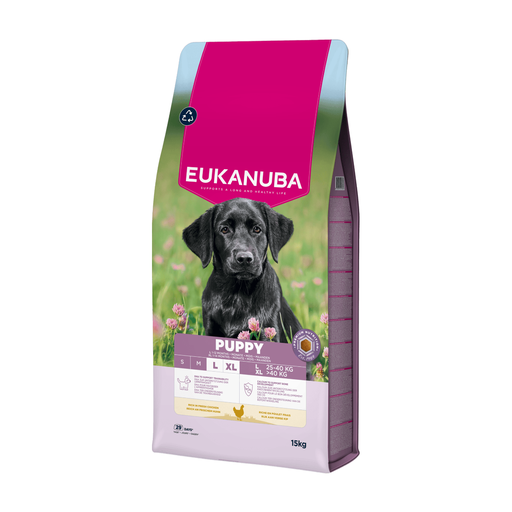
Why This Fits Their Persona: This food is specially formulated for the growth of large-breed puppies (1-12 months). It provides targeted nutrition for a critical life stage where bones and muscles develop rapidly.
This product avoids the 'one-size-fits-all' food pitfall by specifically targeting the unique needs of a large-breed puppy, rather than being a generic puppy food.
According to Eukanuba, the formula contains DHA to support learning ability and calcium for the development of strong bones. Rich in fresh chicken as a protein source.
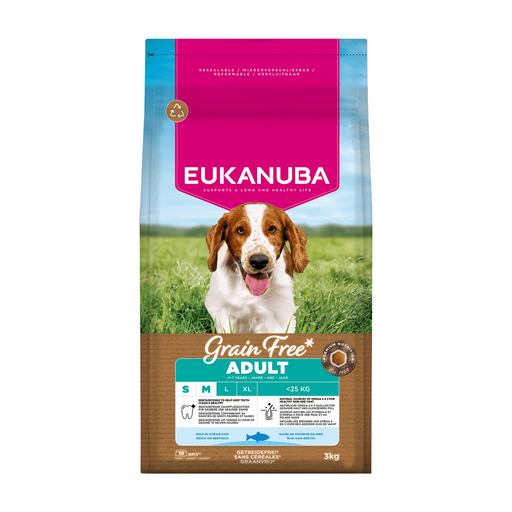
Why This Fits Their Persona: Ideal for owners who notice their dog doesn't react well to grains or chicken. This food offers an alternative with ocean fish and gluten-free sweet potato.
This product is transparent about what it contains (and what it doesn't). It avoids the vague "premium" claim by making a clear, functional promise: a low-allergen and grain-free recipe.
The formula is chicken-free and contains prebiotics and beet pulp to support healthy digestion. The omega fatty acids from fish contribute to a healthy skin and coat.
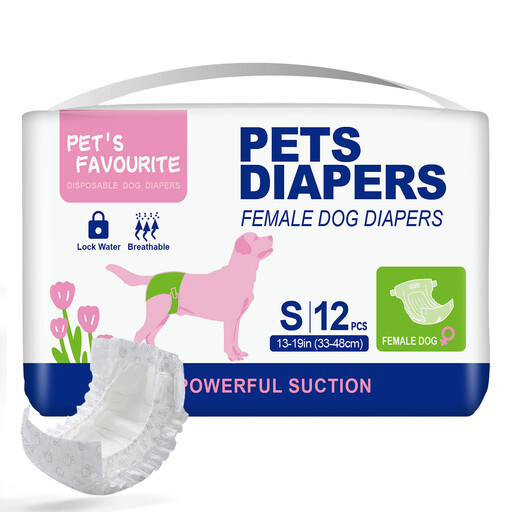
Why This Fits Their Persona: For owners seeking a practical solution for heat cycles, potty training, or incontinence in older dogs. This product keeps the house clean and the dog comfortable.
The pitfall with these types of products is a poor fit and leakage. This model addresses those problems with a 360° leak-proof design and high absorbency.
The breathable surface prevents stuffiness and discomfort. The diaper is thin and easy to change, which increases the ease of use for both the dog and the owner.
We have compiled a complete and up-to-date overview of products that meet these selection criteria and comply with current safety regulations.
It's generally not necessary to change food often if your dog is doing well on its current diet (good stool quality, a healthy coat, and a stable weight). If you do decide to switch, do so gradually over a period of 7-10 days. Mix an increasing amount of the new food with the old food to prevent gastrointestinal upset.
Not necessarily. Grain-free dog food is primarily a good choice for dogs with a diagnosed grain allergy or intolerance. For most dogs, grains are a perfectly fine source of energy and nutrients. The quality of the protein source and the overall composition of the food are more important than the presence or absence of grains.
This depends on your dog's breed and size. Large breeds are generally considered 'senior' around 5-6 years of age, while smaller breeds reach that stage around 7-8 years. Senior dog food is tailored to the changing needs of an ageing dog, such as a slower metabolism and a greater need for joint support. Consult the guidelines on the packaging or speak with a veterinarian.
