
Vandaag of morgen in huis

Kwaliteit gegarandeerd

Welkomstaanbiedingen ontgrendelen: GRATIS bezorging | Tot 80% korting | Gratis 30 dagen JoyPlus-proefperiode
Download de app
As a Product Recommendation Officer at Joybuy, I see dog owners navigating an overwhelming selection of dog snacks every day. The packaging makes all sorts of promises, but what is truly a responsible choice for your dog? It's easy to get lost in marketing jargon and end up with a product that doesn't meet expectations. Let's uncover the most common pitfalls and explore what you should look for.
Before you make a choice, it's important to know what often goes wrong. Many owners unknowingly fall into the same traps.
To bypass these pitfalls, you can shift your focus to a few concrete specifications. These will help you distinguish marketing talk from facts.
The order of ingredients is decisive: whatever is listed first is the most abundant.
Not every snack serves the same purpose. Consider what you want to use the treat for.
On every package, you'll find a table of analytical constituents. Here's what the most important values mean for a snack:
Based on these criteria, we have selected a number of products that suit the different needs of dogs and their owners.
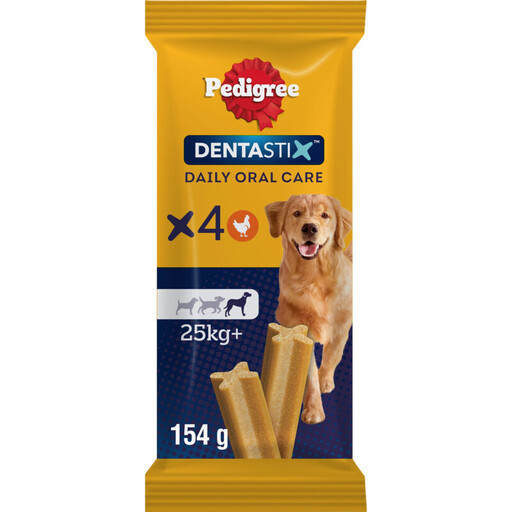
Why This Fits Their Persona: For owners who are serious about the daily dental care of their large dog. This snack is specifically designed as a functional treat, not just a simple snack.
This product avoids the 'one-size-fits-all' trap. It's specifically formulated for large dogs and has a clear purpose: dental care. The focus is on function rather than vague marketing claims.
According to Pedigree, the unique X-shape can reduce tartar buildup by up to 80%. The snack is sugar-free and low in fat, making it a responsible daily supplement.

Why This Fits Their Persona: Perfect for the owner who wants to know exactly what their dog is eating. Ideal for dogs with sensitive stomachs or allergies, or for owners who follow a 'clean eating' philosophy.
This snack avoids the 'natural illusion' trap. The ingredient list is extremely short and clear: duck and purple sweet potato. No grains, no artificial additives, no hidden fillers.
Made with high-quality duck breast as the main ingredient, ensuring a high protein content. The snack is grain-free and easily digestible, and the purple sweet potato provides natural fibre.

Why This Fits Their Persona: For the owner of a small to medium-sized dog that loves to chew. This snack offers a longer-lasting activity than a standard dog biscuit and helps combat boredom.
This product tackles the 'wrong texture' pitfall. The tough rawhide, wrapped with dried chicken, provides a challenging chewing experience that isn't over in a minute.
The combination of textures keeps the dog engaged. Chewing on the rawhide naturally helps with dental care. Additionally, the snack is grain- and gluten-free.
We have compiled a complete, up-to-date list of products that fully meet these strict selection criteria and local regulations.
Here are answers to a few questions we often get about giving dog snacks.
A good rule of thumb is the 10% rule: snacks should not make up more than 10% of your dog's daily calorie intake. The main meal remains the most important source of nutrients. Adjust the amount of food if you give a lot of snacks, for example, during an intensive training day.
Not necessarily. Dogs are not strict carnivores and can generally digest grains just fine. However, grain-free snacks are an excellent choice for dogs with a diagnosed grain allergy or intolerance. If your dog suffers from itching, skin problems, or digestive issues, it might be worth switching to a grain-free option to see if it brings improvement.
Most manufacturers recommend waiting until a puppy has fully transitioned to solid food, usually around 8-10 weeks of age. Start with soft, small training treats made specifically for puppies. Hard chews, such as chew sticks, are often only suitable once the adult teeth have fully come in (around 6-7 months) to avoid damaging the milk teeth. Always check the recommendation on the packaging.
